404

404

PAGE NOT FOUND

Unfortunately the page you are looking for is not available.

Back to Home

Unique in Fukushima

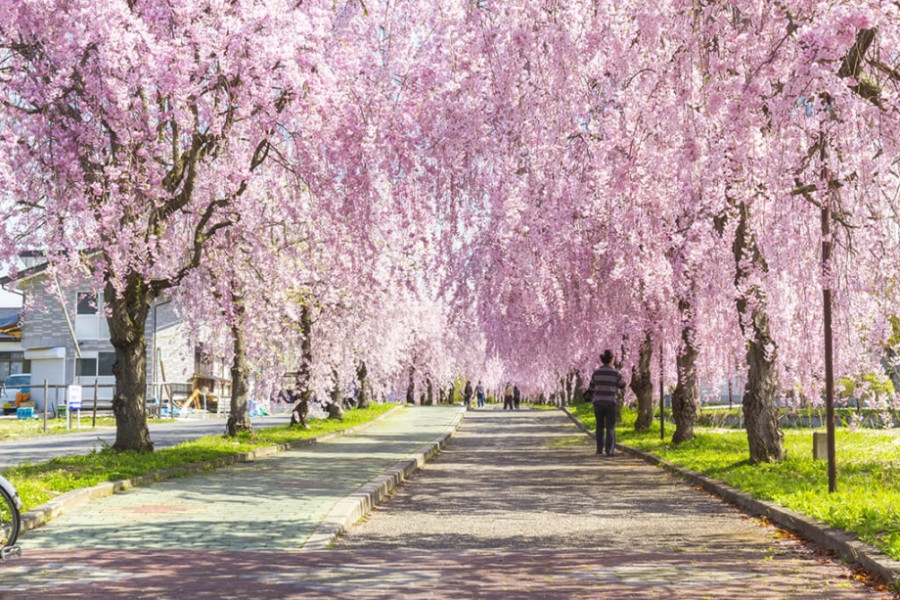
Nicchu Line Weeping Cherry Blossoms
Nature & Scenery

Nicchu Line Weeping Cherry Blossoms

The Nicchusen cherry blossoms in Kitakata City follow a three-kilometer section of the former Nicchu Line railway. Once running between Kitakata and Atsushio Onsen, part of the line has been converted into a walking and cycling path. Each spring, rows of cherry trees along the path draw visitors to see them in bloom, usually around Golden Week in late April or early May.The length of the path allows people to enjoy the blossoms at their own pace. Even when some areas are busy, it is easy to find quieter spots for photos or a break. Visitors often walk the full route, stopping at different points to take in the changing scenery.Along the way, there are several features of interest. An old steam locomotive, once used on the Nicchu Line, remains on display at the midpoint and has become a popular photo spot. The path also runs past houses, rice fields, and farmland, giving a glimpse of the everyday landscape of Kitakata.Different types of cherry trees can be seen, from weeping varieties to those with pale or darker blossoms. With open areas to sit and rest, many people bring food or drinks to enjoy a picnic under the trees, making the Nicchusen cherry blossom path a relaxed way to experience spring in Fukushima.

Kaiseizan Park
Nature & Scenery

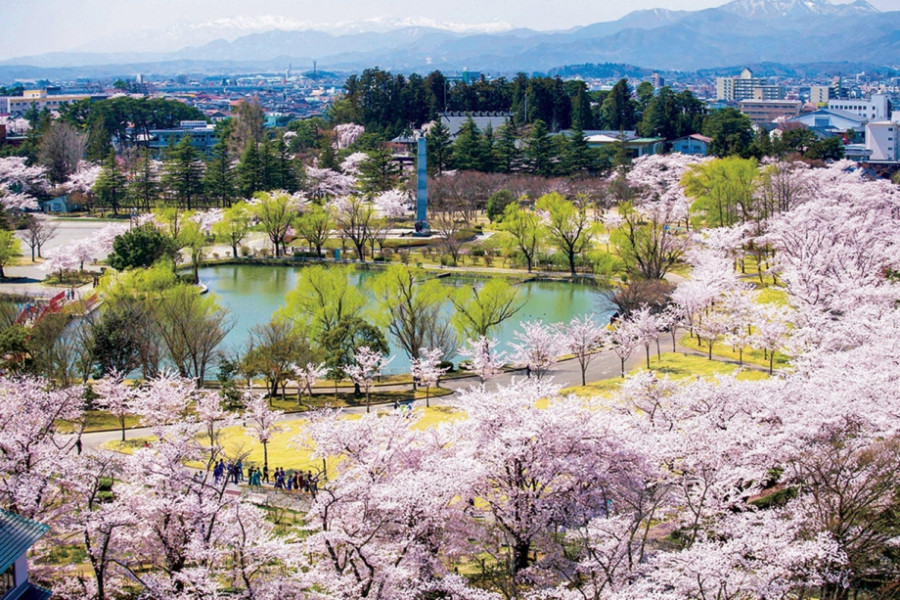
Kaiseizan Park

Koriyama’s Kaiseizan Park is a wide realm in the city. Home to around 1300 cherry trees, it is one of the prefecture’s most prominent cherry blossom spots. The impressive trees are lit up in the evening during cherry blossom season, making for fantastic views. The park has a baseball field, an athletics field, and an event venue. Additionally, it is home to one of Fukushima's Chansey's Lucky Parks, making it a popular destination among Pokémon fans. Located nearby is the Kaiseizan Daijingu Shrine.There is also a 3,000-square-meter rose garden that blooms in spring (typically from mid-May to late June) and in the fall (usually from mid-September to late October). Exact blooming dates vary each year.No matter the season, there is something to enjoy at Kaiseizan Park year-round.

The Great East Japan Earthquake and Nuclear Disaster Memorial Museum
Disaster Recovery & Revitalization

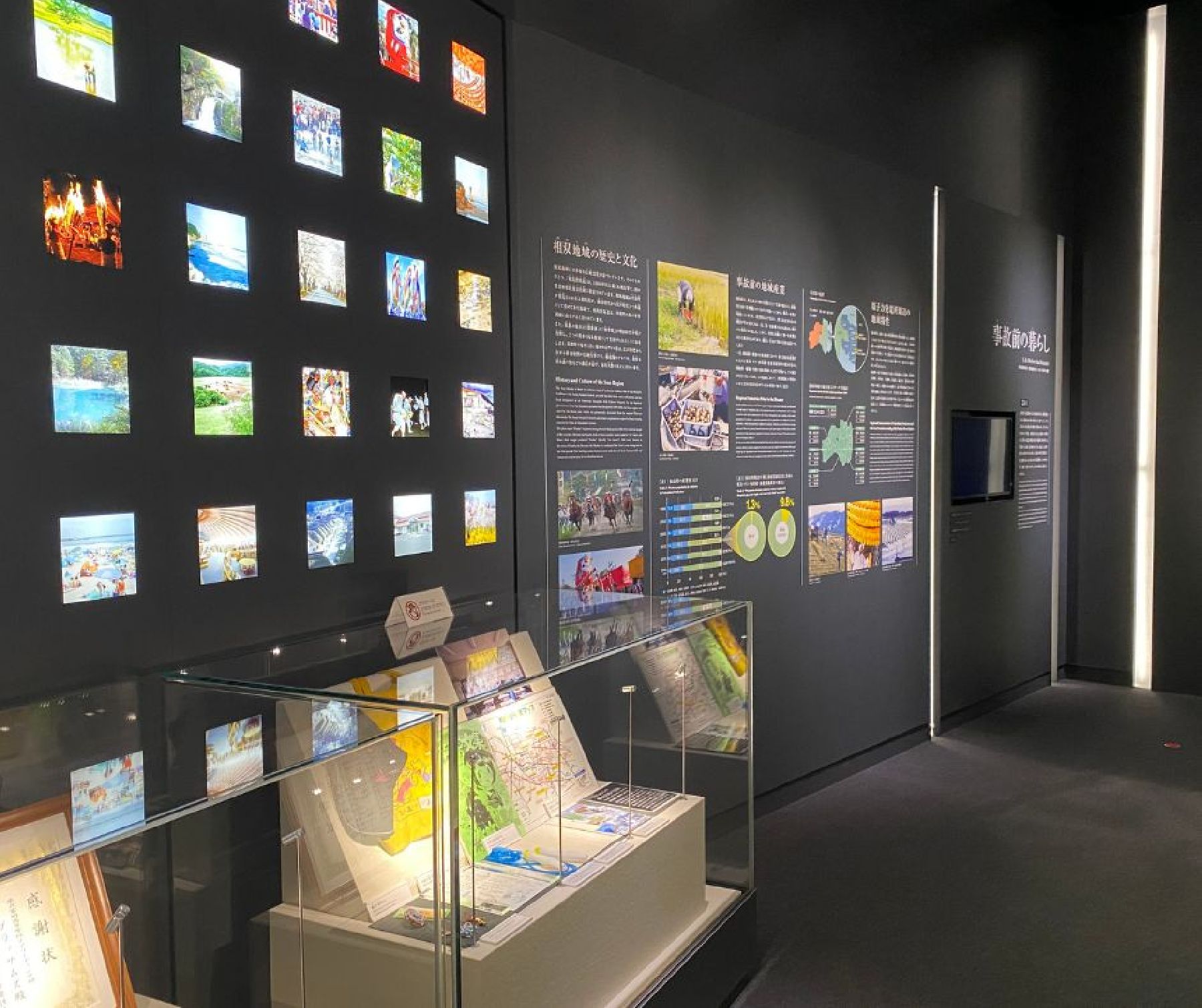
The Great East Japan Earthquake and Nuclear Disaster Memorial Museum

The Great East Japan Earthquake and Nuclear Disaster Memorial Museum (東日本大震災・原子力災害伝承館, often referred to in Japanese only as ‘Denshokan’ [伝承館]) is located in Futaba town, in the coastal area of Fukushima prefecture.Through exhibitions, storytelling, research and interactive displays, visitors can learn about this area before, during and after the disaster, deepen their understanding of the revitalization of Fukushima and the decommissioning of the TEPCO Fukushima Daiichi Nuclear Power Station, as well as listen to testimonies of residents.This museum shows how Fukushima has dealt with a complex and unprecedented disaster and its ongoing consequences, and communicates lessons for the future on the importance of disaster prevention and mitigation.The museum opened in September 2020 and has about 200 items related to the The Great East Japan Earthquake, tsunami and nuclear disaster on permanent exhibition.Exhibits include explanations in both English and Japanese.Located near the museum is the Futaba Business Incubation and Community Center.

Top