404

404

PAGE NOT FOUND

Unfortunately the page you are looking for is not available.

Back to Home

Unique in Fukushima

Ogawasuwa Shrine's Weeping Cherry Blossom
History & Culture

Ogawasuwa Shrine's Weeping Cherry Blossom

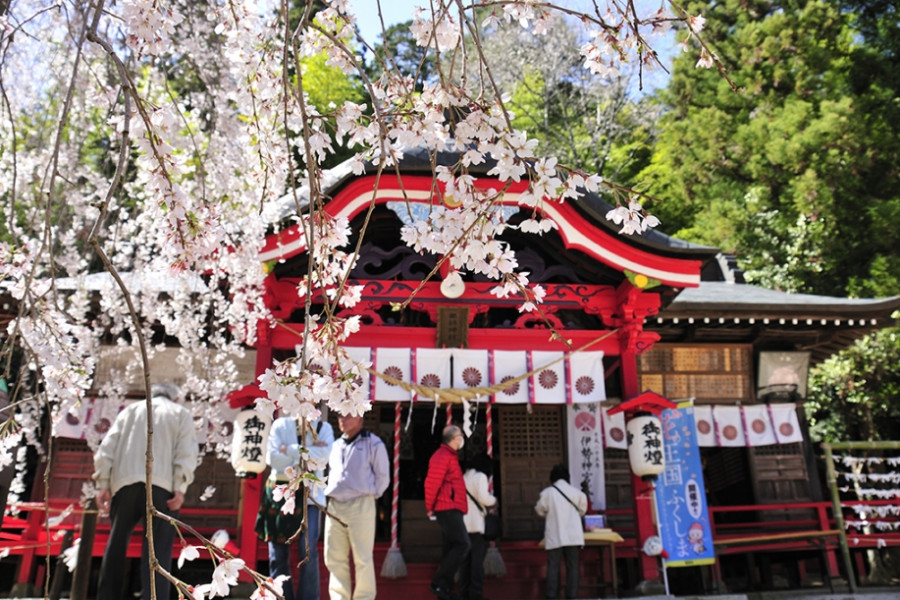
Selected by Iwaki City as a Natural Monument, the great weeping cherry tree is over 500 years old. The flowers bloom slightly earlier than those of Yoshino cherry trees, and are lit up by traditional Japanese lanterns in the evenings of cherry blossom season. Stretching even further down than the roots, the weeping branches of the tree give it an extremely beautiful appearance.Illuminations run throughout cherry blossom season; please be aware the shrine can get crowded in the evenings.

Nicchu Line Weeping Cherry Blossoms
Nature & Scenery

Nicchu Line Weeping Cherry Blossoms

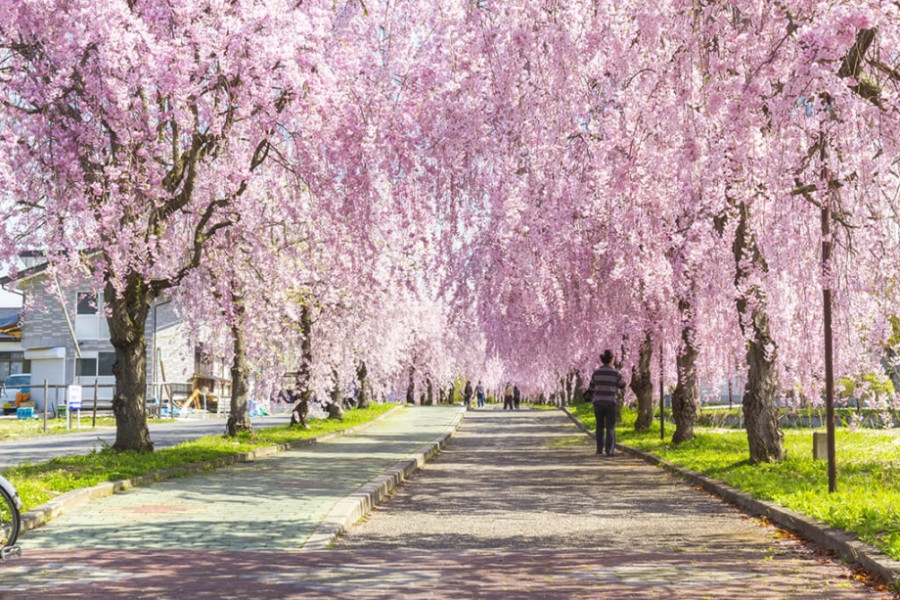
The Nicchusen cherry blossoms in Kitakata City follow a three-kilometer section of the former Nicchu Line railway. Once running between Kitakata and Atsushio Onsen, part of the line has been converted into a walking and cycling path. Each spring, rows of cherry trees along the path draw visitors to see them in bloom, usually around Golden Week in late April or early May.The length of the path allows people to enjoy the blossoms at their own pace. Even when some areas are busy, it is easy to find quieter spots for photos or a break. Visitors often walk the full route, stopping at different points to take in the changing scenery.Along the way, there are several features of interest. An old steam locomotive, once used on the Nicchu Line, remains on display at the midpoint and has become a popular photo spot. The path also runs past houses, rice fields, and farmland, giving a glimpse of the everyday landscape of Kitakata.Different types of cherry trees can be seen, from weeping varieties to those with pale or darker blossoms. With open areas to sit and rest, many people bring food or drinks to enjoy a picnic under the trees, making the Nicchusen cherry blossom path a relaxed way to experience spring in Fukushima.

Tsurugajo Castle
History & Culture

Tsurugajo Castle

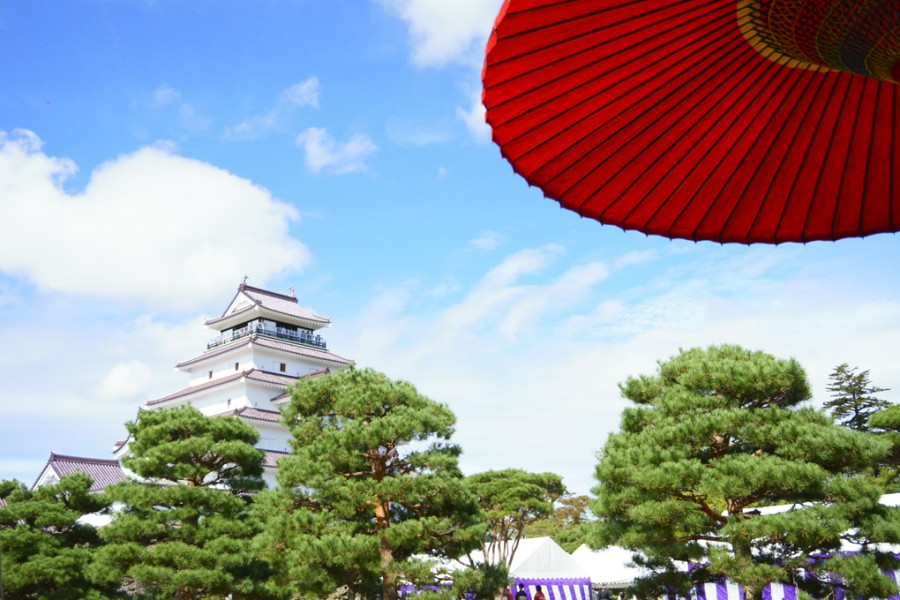
Tsurugajo Castle is the crown jewel of the Aizu region, bringing visitors from all over the world to see its incredible scenery, which changes drastically every season.Despite several reconstructions to the main castle over the years, the surrounding park's stone walls remain in their original state. In 2010, for the first time since it was refurbished in 1965, the castle underwent a cosmetic restoration. Following completion in 2011, the same red-tile roofs seen by the Byakkotai (during the Boshin War and finals days of the Tokugawa shogunate) are now displayed for all to see.This castle is one of the final strongholds of samurai that remained loyal to the shogunate and today stands as a symbol of courage and faithfulness.Within the castle tower's museum, the swords and armor of the castle’s successive lords are on display. Visitors can watch a CG-enhanced theatrical video reflecting on the great history of Aizu.In addition to the historical atmosphere surrounding Tsurugajo, visitors can sense the changes that have occurred throughout history, thanks to the engaging and informative museum within the castle walls. It’s fun to gaze across Aizu from the fifth floor, like a feudal lord admiring his domain—the viewing platform up here provides panoramic views taking in Mt. Bandai and Mt. Iimoriyama.The castle is also a must-see in the springtime when approximately 1,000 cherry trees offer a magnificent display within the castle's grounds.When you’re in the mood for a rest, visit the Rinkaku Tea Rooms for some freshly-prepared matcha green tea. This tea house on the grounds of Tsurugajo was vital in the spread of this traditional art—and had it been destroyed during the Meiji Restoration, tea ceremony as it is known in Japan might have vanished.

Kaiseizan Park
Nature & Scenery

Kaiseizan Park

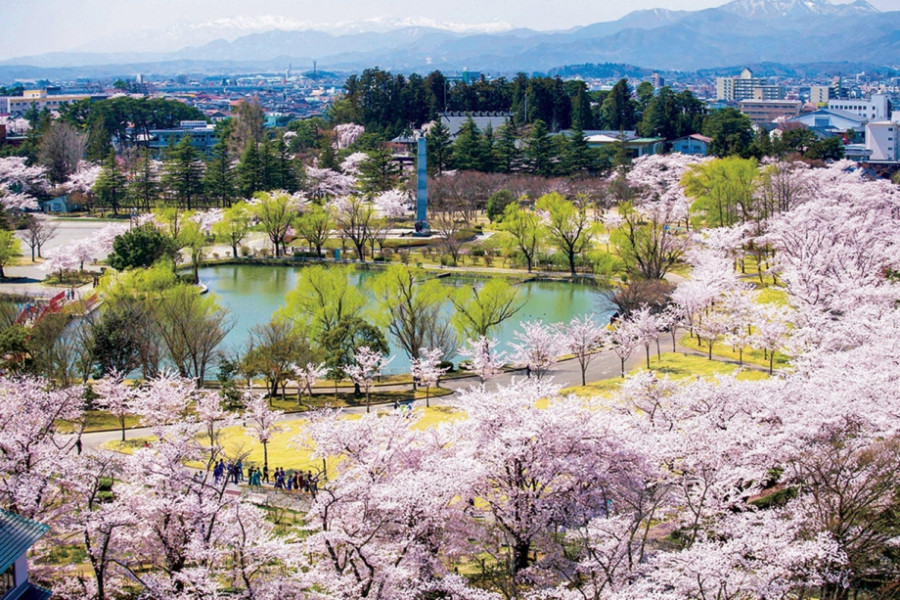
Koriyama’s Kaiseizan Park is a wide realm in the city. Home to around 1300 cherry trees, it is one of the prefecture’s most prominent cherry blossom spots. The impressive trees are lit up in the evening during cherry blossom season, making for fantastic views. The park has a baseball field, an athletics field, and an event venue. Additionally, it is home to one of Fukushima's Chansey's Lucky Parks, making it a popular destination among Pokémon fans. Located nearby is the Kaiseizan Daijingu Shrine.There is also a 3,000-square-meter rose garden that blooms in spring (typically from mid-May to late June) and in the fall (usually from mid-September to late October). Exact blooming dates vary each year.No matter the season, there is something to enjoy at Kaiseizan Park year-round.

Top