Urabandai Onsen

Urabandai Onsen

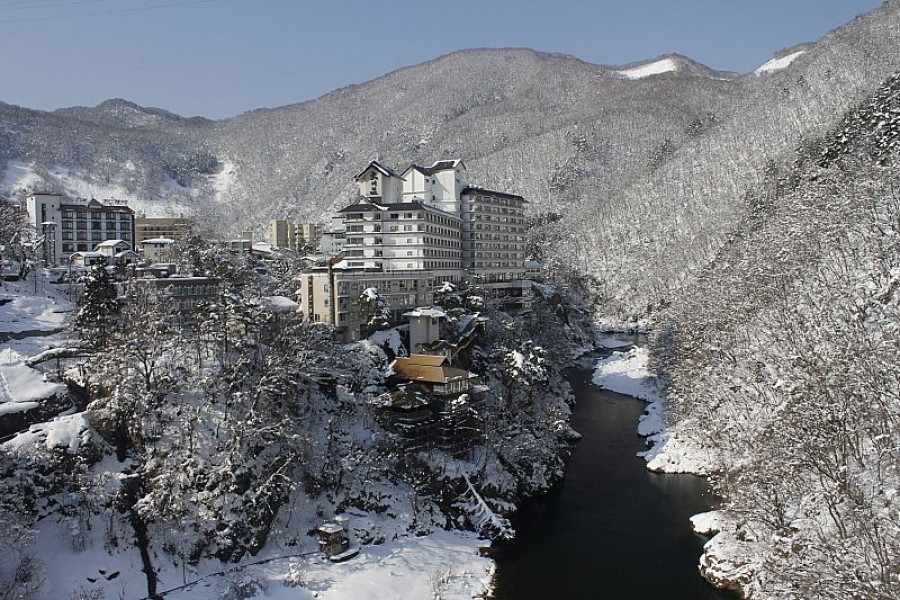
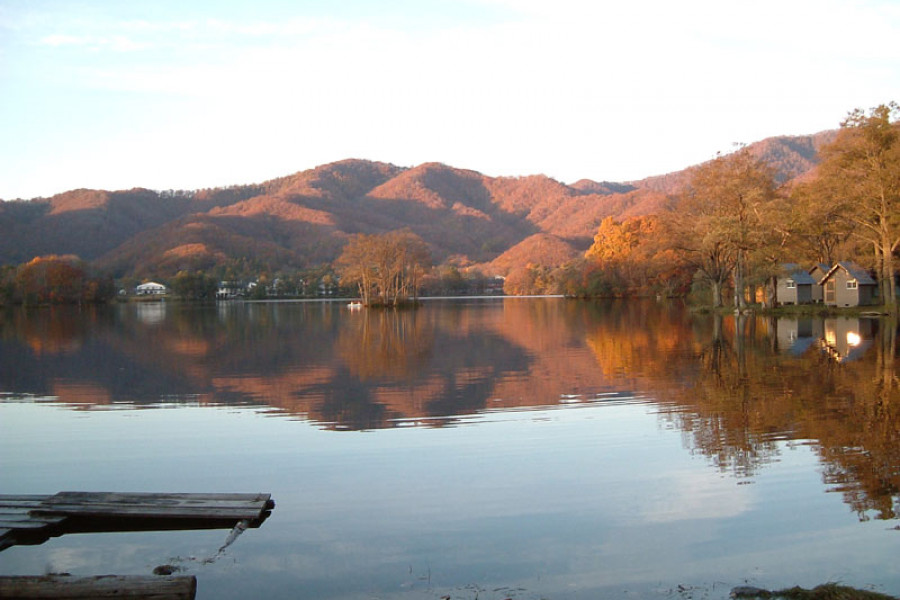
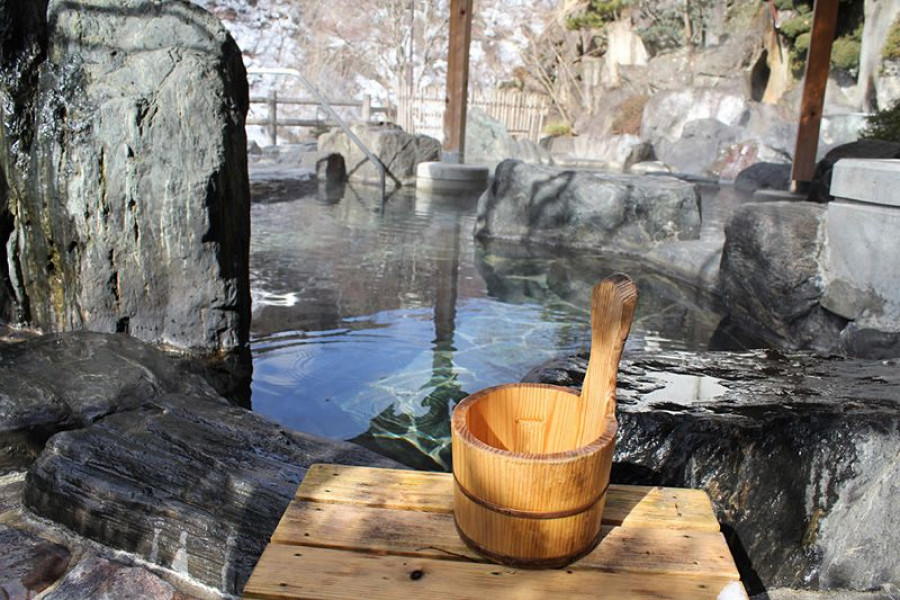
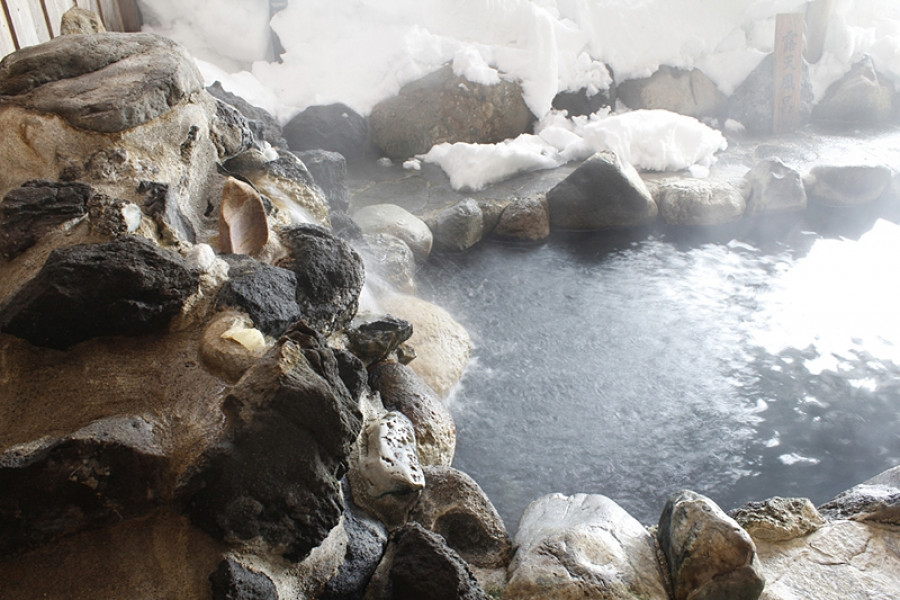
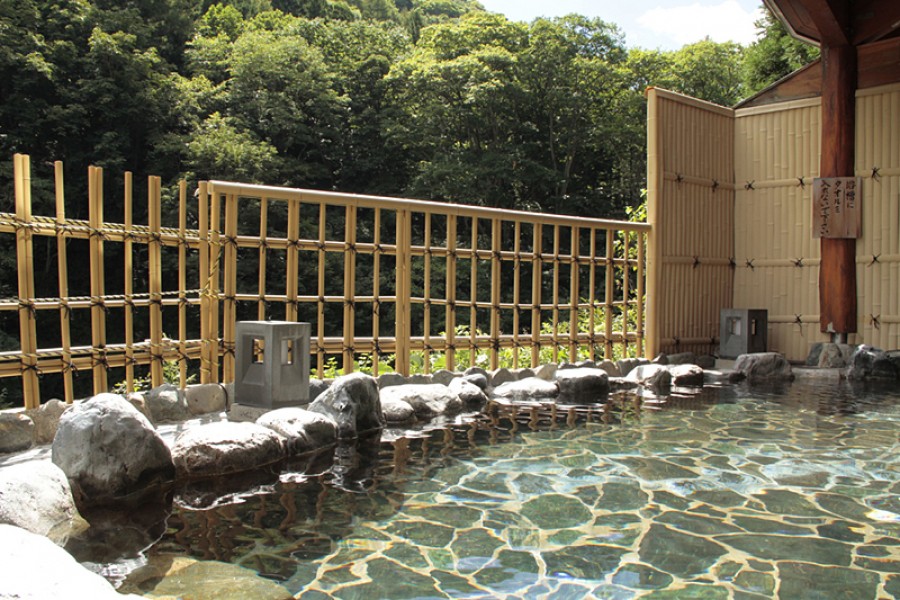
A hot spring region in the Urabandai area where you can intimately feel the changing of the four seasons. There are many outdoor baths and onsens with spectacular views, allowing you to wash away the fatigue of daily life and be healed amidst abundant nature.
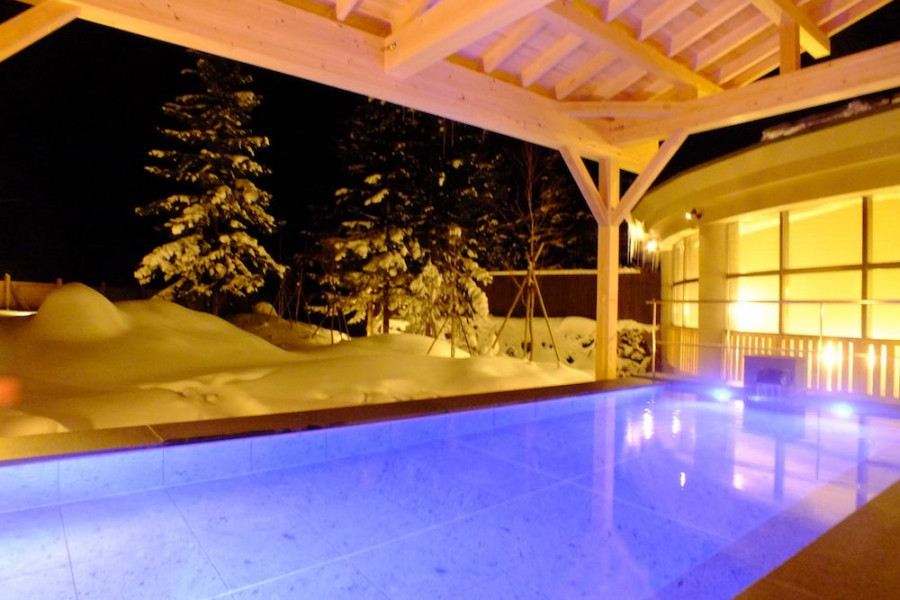
From the outdoor bath at the Grandeco Resort, you can enjoy a garden of verdant green in the summer, and a pristine landscape of snow in the winter, along with a clear, star-filled night sky.

Venue Details

Venue Details
Websitehttps://www.urabandai-inf.com/en/?page_id=203
Contact

Urabandai Tourism Association

(+81)-241-32-2349

https://www.urabandai-inf.com/en/?page_id=493

Best SeasonAll Year
Related infoCheck out the website link for information about the different hot spring baths at ryokan and hotel in Urabandai area
Access Details
Access1093 Hibara Kengamine, Kitashiobara-mura, Yama-gun, Fukushima Pref. 966-0501
View directions
Getting there

By Car: 20 min from the Inawashiro-Bandaikogen I.C. exit off the Ban-etsu Expressway

Related trips

  1. Driving

    Ultimate Fukushima Prefecture Road Trip

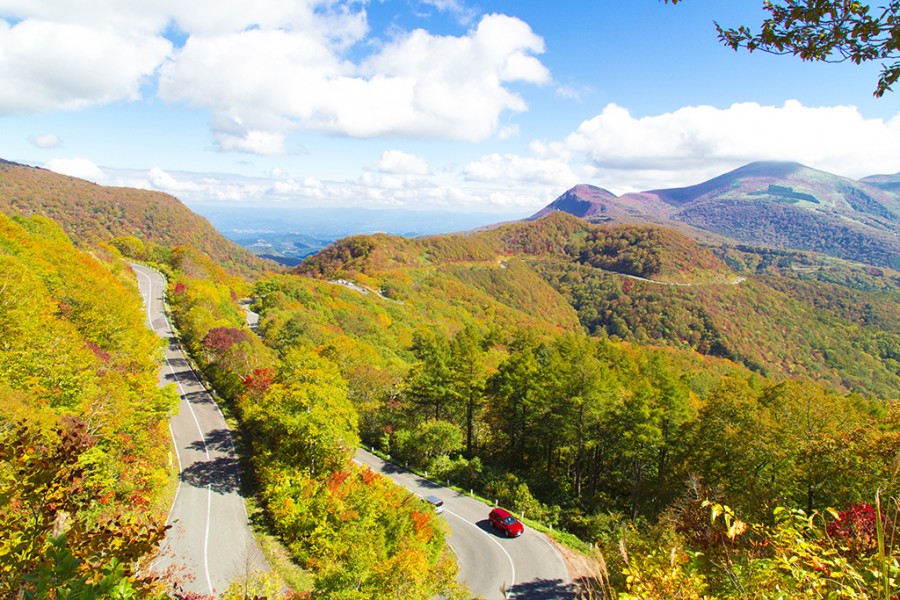
    This trip highlights some of the best Fukushima has to offer and is perfect for those looking to get the most out of the prefecture in a limited time. Take in castles, nature, traditional villages, and more as you treat yourself to local styles of soba and ramen along the way. Renting a car is a must if you want to hit all the spots on this tour. You can take it slow and complete this trip over three days, or skip out an overnight stay in Urabandai area, and do it in two days. Start the day from Fukushima Station with a scenic drive to the the beautiful Urabandai region. We recommend taking the Bandai-Azuma Skyline road so that you can enjoy a mountain drive and check out the great sights at Mt. Azuma-Kofuji. From there, take the stunning sightseeing road Azuma-Bandai Lake Line into Urabandai. Explore the Urabandai area, have lunch, go on a walk around the five-colored ponds of Goshiki-numa, and maybe even take a dip in a hot spring or two. Choose whether take it slow and stay the night in Urabandai area, or whether to press on to Aizu-Wakamatsu City.  Later that day - or the next morning, depending on your schedule - head into the castle town of Aizu-Wakamatsu City where samurai culture is prevalent. The majestic Tsurugajo Castle offers beautiful views of the surroundings from the keep. Check out the nearby Tsurugajo Kaikan to paint an akabeko or two and maybe have some lunch. Then explore the mysterious Sazaedo Temple and the surrounding Mt. Iimoriyama area. From here, we suggest staying overnight in the city. There are plenty of budget hotels in Aizu-Wakamatsu, but if you are looking for something traditionally Japanese, we recommend looking into lodging at the nearby Higashiyama Onsen hot springs town just east of the city. On the next day prepare to jump into the past with a trip to the Ouchi-juku mountain village. You can spend hours here shopping and eating local foods while walking up and down the street lined with traditional thatched-roof houses. Lastly, head to the To-no-Hetsuri Crags, a natural monument filled with towering cliffs overlooking the Okawa River. Cross the nearby suspension bridge which offers breathtaking views of the surroundings. After getting fully refreshed head back to Shin-Shirakawa station by car, drop off your rental car, and connect back to Tokyo or the next stop on your journey!
    Ultimate Fukushima Prefecture Road Trip

Nearby

The World Glassware Hall
History & Culture

Aizu Hanko Nisshinkan

Aizu Hanko Nisshinkan was the highest-level learning institution of its time. It was established in 1803 by the Aizu Domain to foster Japan's next generation of talented samurais.Children of samurai families entered this school at the age of ten and worked on academic studies and physical exercises to instill both physical and mental discipline.The property, covering about 26,500 square meters in area, used to house such facilities as a martial arts training hall, an astronomical observatory, and Suiren-Suiba Ike, Japan's oldest swimming pool.During the late Edo Period, the school turned out a great deal of excellent talent, including the legendary group of young warriors, the Byakkotai. The facilities, which were burned down during the Boshin War, have been rebuilt faithful to their original design. They now function as a hands-on museum that features exhibits of the magnificent architecture of the Edo Period and dioramas of school life as it used to be.Visitors can enjoy practicing some of the essential disciplines of the samurai, including tea ceremony, Japanese archery, meditation, and horseback riding, as well as experiencing hand painting an akabeko (red cow), a traditional good-luck charm of Aizu.Make a reservation : https://nisshinkan.jp/reservation*Since the website is in Japanese, we recommend that you use Google Translate or other translation functions to make reservations. 

The World Glassware Hall
Hot Springs

Ashinomaki Onsen

This hot spring resort town is well-known for its beautiful vallies, and the high quality of the abundant hot water that gushes from the town's natural hot springs.Ashinomaki Onsen is a convenient place to stay overnight for those visiting sightseeing spots such as Ouchi-juku, To-no-hetsuri, and Aizu-Wakamatsu City, as the town is located in between these key places.After enjoying a full day of sightseeing in Aizu, visitors can relax and lose track of time while bathing in a hot spring bath at a resort hotel or quaint ryokan.

The World Glassware Hall
Nature & Scenery

Urabandai Highlands

The Urabandai highlands of northern Fukushima Prefecture, are situated at an altitude of 800 meters and surrounded by Mt. Bandai, Mt. Adatara, and Mt. Azuma. The highlands were created by Mt. Bandai erupting in 1888. Urabandai is part of Bandai Asahi National Park and offers a variety of seasonal attractions. Cool weather in summer and deep snow in winter make Urabandai a perfect place for both indoor and outdoor enjoyment. About 300 lakes and ponds, including the Goshiki-numa Ponds and Lake Hibara, are scattered across Urabandai. The harmonious beauty of nature created by the abundant woodlands and lakes will certainly touch the hearts of all visitors.

The World Glassware Hall
Gourmet & Shopping

Yamatogawa Sake Brewery

Close to Kitakata station is Yamatogawa Brewery. This brewery was built in 1790 in the Edo Era, and has been producing sake ever since. The famous sake cultivated at this brewery is made using the clear, mountain water from Mt Iide.Another important component of Yamatogawa Brewery’s sake is the use of high-quality, carefully cultivated rice. This rice is grown in Yamatogawa Brewery’s own rice fields, and from the fields of selected local farming families. Next door to the brewery is the Northern Museum – where old earthen storehouses built during the Edo Era have been opened up to the public. Here you can learn about how the sake-making process has changed since the Edo period. Tours and sake tasting available for free.

You might also like

Yunokami Onsen
Hot Springs

Yunokami Onsen

Yunokami Onsen is famous for having one of the only thatched roof station buildings in Japan. The hot spring area is fed from 8 source springs. Each ryokan (traditional Japanese inn) in the town draws its hot water directly from the source. The clear, transparent water is beloved for being soft and gentle on the skin. Many lodges offer just day-use of their baths, making it a great place to enjoy on a whim. There is also a public foot bath located at Yunokami Onsen Station. During the cherry blossom season, visitors can enjoy a warm foot bath while watching the light pink petals fluttering in the wind.

Ashinomaki Onsen
Hot Springs

Ashinomaki Onsen

This hot spring resort town is well-known for its beautiful vallies, and the high quality of the abundant hot water that gushes from the town's natural hot springs.Ashinomaki Onsen is a convenient place to stay overnight for those visiting sightseeing spots such as Ouchi-juku, To-no-hetsuri, and Aizu-Wakamatsu City, as the town is located in between these key places.After enjoying a full day of sightseeing in Aizu, visitors can relax and lose track of time while bathing in a hot spring bath at a resort hotel or quaint ryokan.

Atsushio Onsen
Hot Springs

Atsushio Onsen

Atsushio Onsen – which means ‘Hot Salt Onsen’ – gets its name because of the high salt content and hot temperature of its source water (70 degrees). For generations, this onsen has been hailed by local people as having healing properties. Also known as ‘Kodomo Takara no Yu’ (‘The Sanctity of Children Onsen’), Atsushio Onsen is home to a Buddhist statue dedicated to the act of raising children. Here you often see mothers paying their respects to deities after their wishes have been realized.

Oze Hinoemata Onsen
Hot Springs

Oze Hinoemata Onsen

Oze Hinoemata Onsen has hot springs fed to every household, as well as bathing facilities run by the village for day visits. Aruza Oze no Sato, Hiuchi no Yu, Koma no Yu are all names of hot spring establishments in the town. Hinoemata area is also famous for Kabuki, a form of traditional performing art in Japan. Traditional Kabuki performances with a rich history dating from the Edo Period are still performed to this day on Hinoemata's kabuki stage, which is over 250 years old. There are three performances per year (May 12, August 18, and the first Saturday of September). Explore historical and cultural treasures such as the kabuki stage, the unique shrine featuring a stone statue of Hashiba-no-Banba, itakura (wooden storehouses), the six jizo statues, and the Hinoemata Folk Village by foot. Make sure to try Hinoemata area's 'Yamodo Cuisine': a characteristic cuisine centered on 100% buckwheat noodles, which features dishes such as 'Hatto soba' and rice cakes. Visitors can also enjoy walking and fishing at Hinoemata Mini Oze Park, a spacious park which comes to life with bright colours throughout the year as various flowers take turns to bloom. Oze Hinoemata Onsen is at the gateway to Oze National Park, making it as a base for hiking around Ozegahara Marsh, and for climbing mountains such as Mt. Hiuchigatake, Aizu Komagatake, Teishakuzen, and Tashiroyama.

Top