Takayu Onsen

Takayu Onsen

This famous hot spring area is located at an altitude of approximately 750 meters, which is why it’s called 'taka-yu' ('taka' means 'high-up' and 'yu' means 'hot spring'). Located on the slopes of the Azuma mountain range, Takayu Onsen area was once known as “Shinobu Takayu” and, together with Zao Takayu and Shirabu Takayu, prospered as one of three Takayu in what was once known as the northern Ou region.

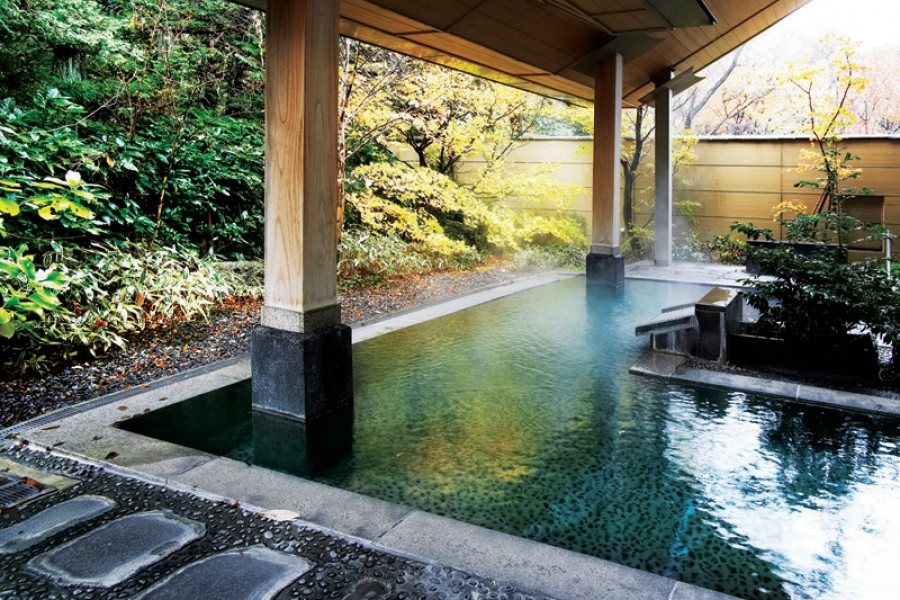
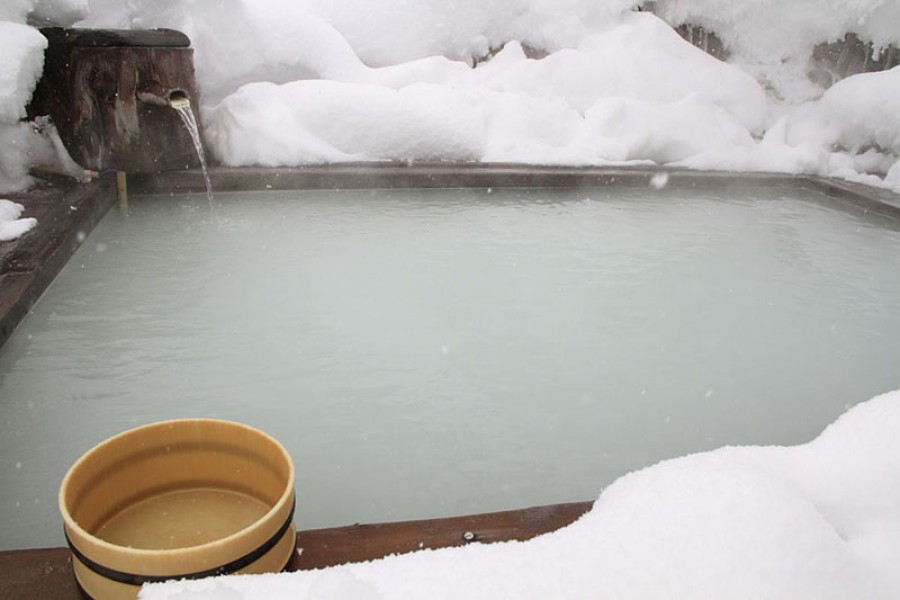
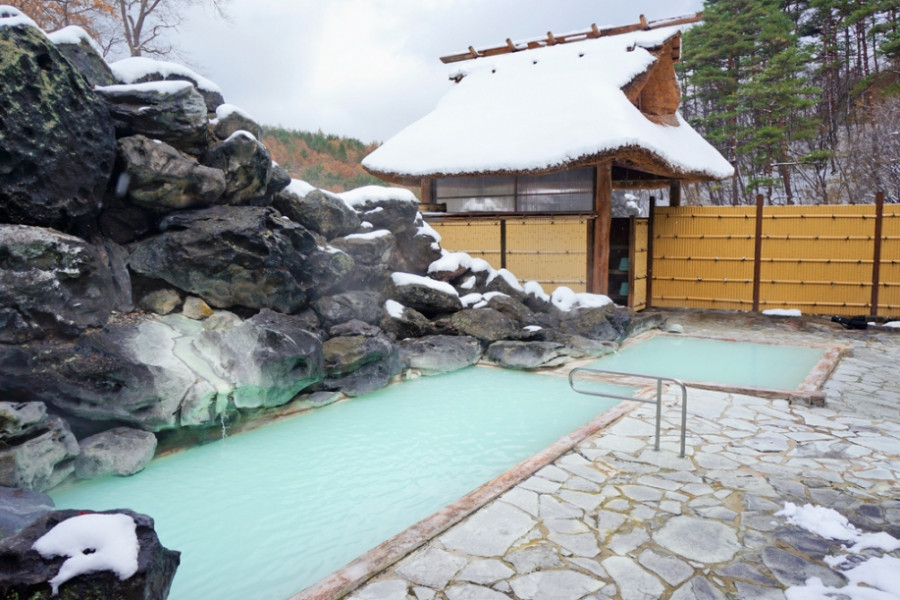
The waters of Takayu Onsen are a bluish milky color and are thought to have healing properties. Most of the resort facilities of the area neither add water nor adjust the temperature in order to maintain the natural allure of the hot spring waters. After bathing in the waters of this spring, your skin becomes almost slippery from the high acidic and hydrogen sulfide makeup.

In the Takayu Onsen area, there are 10 natural hot spring sources, with names such as 'Takinoyu', 'Netsuyu', and 'Senkinoyu'. These sources are named after old public baths. In the olden days, bathtubs were built right next to or directly above the hot spring source. Today, the bathing facilities still receive their water flowing directly from the same source.

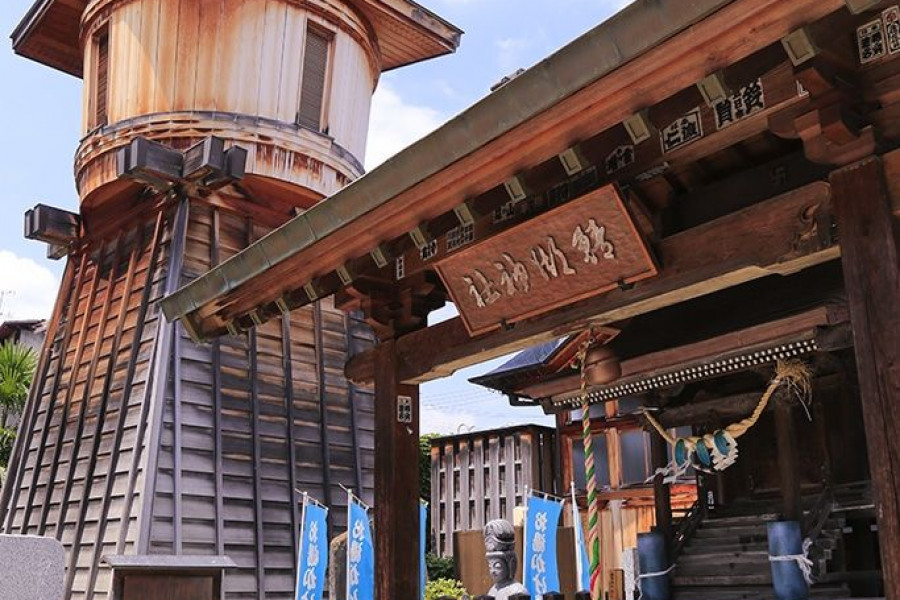
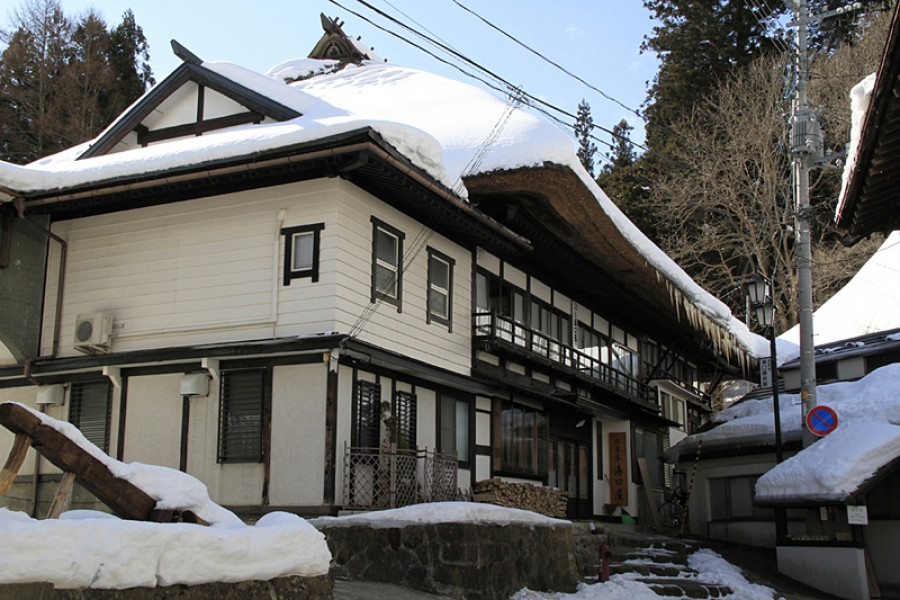
Nowadays, Takayu Onsen consists of about a dozen ryokan (traditional Japanese inns), all offering their unique charm to travelers. You’ll be pleased to note that many of the ryokan open their hot spring baths to non-staying guests for a small fee. The most famous hot spring facility in Takayu Onsen is Tamagoyu, a wooden bathhouse with a traditional feel. There’s even a foot bath in the center of the town open to the public.

If public bathing isn’t something you feel comfortable with, many of the onsen facilities in the area also offer private onsen rooms with a rotenburo (open-air bath) available for your own use. It is a relaxing experience unlike any other to soak in the hot waters and feel your worries melt away.

Venue Details

Venue Details
Websitehttp://www.takayuonsen.jp/en/
Contact

Takayu Onsen Tourism Association

(+81) 24-591-1125

Best SeasonAll Year
Estimated Visit Time1h
ParkingAvailable
Access Details
Access25 Takayu, Machiniwasaka, Fukushima City, Fukuhsima Pref. 960-2261
View directions
Getting there

By Car: 30 min from Fukushima-Nishi I.C. or Iizaka I.C. exit off the Tohoku Expressway.

Related trips

  1. Adventure

    Diamond Route (4 Days, 3 Nights)

    Have you ever wanted to take a cross-prefecture tour of Japan, from Tokyo to the impeccable countryside of Fukushima? Well, now is your chance to travel from the international hub of Tokyo and see what else Japan and—especially—Fukushima have to offer. Enjoy this cross-country tour of Japan over the span of a few days, so that you can enjoy things at your pace. Start your trip from Tokyo Station and ride a short distance to Asakusa. See one of the busiest shrine-and-temple locations in Tokyo. You’ll love the bustling atmosphere and the street stalls with their many trinkets and souvenirs. Once you’ve finished in Asakusa, head out of the city and make your way for Tochigi Prefecture’s Nikko. Nikko is perhaps most famous for the three monkey statues that people equate with “hear no evil, see no evil, speak no evil”. You’ll see these wonderful statues and more while you stop over in Nikko. From there, travel north to Higashiyama Onsen and enjoy the sights form the train along the way. Higashiyama Onsen is Fukushima’s home to some truly great hot springs and Japanese-style inns. Soak up the hot waters and relax your tired muscles. At Tsuruga-jo Castle, you can walk the pristine gardens and enjoy the castle grounds. Be sure to make note of the red-roof tiles of the castle as well, this is the only castle in Japan that boasts having these deep-red tiles. Inside the castle keep, discover the history of the Aizu samurai through the many exhibits and displayed artifacts. Make your way to Nanokamachi-dori Street and admire the local architecture, which is quite different than that from the rest of the area. Search out local hidden gems along the narrow streets and find the perfect souvenir to take home. Enjoy your time in Tokyo, Tochigi, and Fukushima like never before with this route.  
    Diamond Route (4 Days, 3 Nights)

Nearby

The World Glassware Hall
Nature & Scenery

Ja no Hana Gardens

The Ja no Hana Gardens (蛇の鼻) are located in Motomiya, in the central area of Fukushima. From spring to autumn, this vast park -- six times the size of Tokyo Dome -- features a display of natural wonders like cherry blossoms, wisteria, roses, hydrangeas, water lilies, and autumn leaves. It is particularly famous for its 500-year-old wisteria tree that typically blooms in May, and its rows of over 500 maple trees that make for a stunning sight in autumn.There is also a historical residence, Ja no Hana-goten (Ja no Hana mansion), which is a registered tangible cultural property of Japan. Built in 1904, the impressive residence has intricate wooden carvings in the front entrance, and houses artworks and calligraphy works, often housing exhibitions. Visitors can enter the house and look at the artwork up close.Best season: Cherry blossoms: Early to late April Tulips: April to early May Peonies: Early to mid May Japanese wisteria: Early to late May Azaleas: Early to mid May Roses: Most varieties reach their peak around late May; from then until November, other varying kinds might be in bloom Water lilies: June to July Autumn leaves: Late October to November

The World Glassware Hall
Nature & Scenery

Mt. Azuma-Kofuji

There is a special bus running from Fukushima Station to the Jododaira plateau while the mountain is open. Please visit the Jododaira Sky Access page for more details.Every year in spring, as the snow melts away, it leaves behind the shape of a giant white rabbit on the side of Mt. Azuma-Kofuji. This is called the “seeding rabbit”, and it signals to the people of Fukushima that the farming season has come.From April to November each year, you can experience the beauty of the awe-inspiring natural landscape of Mt. Azuma-Kofuji.Mt. Azuma-Kofuji is an active volcano with an appealing symmetry to it and a soft conical shape; because of these classic features, it was named Kofuji ('little Fuji'), after the iconic Japanese mountain.Thanks to its volcanic ground, the area has given birth to many nearby onsen areas perfect for relaxing, such as Tsuchiyu Onsen and Takayu Onsen.Mt. Azuma-Kofuji is a great destination for those who decide to drive through the area as the Bandai-Azuma Skyline happens to pass just below the crater of Mt. Azuma-Kofuji. Along the roadway is the Jododaira Visitor Center, which offers visitors a place to park, rest up, get a snack, and maybe even buy souvenirs. It is the perfect spot to take a break and explore one of the many short hiking routes to stretch out your muscles after a long car ride. From there, it is just a short hike up to the crater, and there are plenty of other great trails. Circle the crater of Mt. Azuma-Kofuji on a relaxed 40-minute walk and—if you are lucky—enjoy gorgeous views of Fukushima City, Mt. Bandai, and the Urabandai area. But do watch your step as the ground can be uneven and even slippery on grey days. The mountain is open from spring to autumn every year.

The World Glassware Hall
Hot Springs

Futamata Onsen

Outdoor hot spring baths line the sides of the valley at the foot of Mt. Futamata. The open-air baths of Futamata Onsen’s ryokan are situated in a very peaceful location, surrounded by ancient forests full of beech trees – all at an altitude of 800 m. Futamata Onsen’s hot spring baths have been used for about 1200 years, and are particularly revered for the hot spring water’s healing properties. What’s more, being close to Ouch-juku, Futamata Onsen is conveniently located for a visit during your trip to Fukushima.

The World Glassware Hall
Nature & Scenery

Miharu Takizakura

Miharu is a small town in central Fukushima Prefecture. The town’s name means “three springs” and it is easy to see how it got such a name. With cherry, plum, and peach trees blossoming in spectacular displays every spring, it is almost as if spring has tripled! But the most famous of the trees in Miharu is the Miharu Takizakura tree, which is a nationally recognized Natural Monument.Over ten centuries old, the beautiful Miharu Takizakura is a flowering cherry tree that spreads out in all directions and makes for a breathtaking vista. The cascading blankets of blossoms are how this tree got the name takizakura, or “waterfall cherry tree.” It is even one of the “three great cherry trees” of Japan (along with Usuzumizakura in Gifu and the Jindaizakura in Yamanashi Prefecture).Miharu Takizakura sits in a sakura hollow in order to protect it from the elements while providing excellent drainage. The heavy boughs of the tree are supported by wooden beams and lend to its elegant form. The Miharu Takizakura begins blooming from mid-April. During the day the sight is whimsical, but visit in the evening and you’ll be treated to an almost haunting beauty as the tree is illuminated.Aside from this huge cherry tree (over 12 meters tall and 18 to 22 meters in spread), the area is also blessed with various wildflowers, including cherry and rapeseed flowers. But, of course, the Miharu Takizakura is what the annual 200,000 visitors are there to see. The view from the base of the sakura is considered to be the most beautiful and the Miharu Takizakura often ranks as the best sakura tree in all of Japan.

You might also like

Iizaka Onsen
Hot Springs

Iizaka Onsen

Fukushima City's Iizaka Onsen has been used as an onsen town for over 1,000 years, and has been visited by legendary figures in Japanese literature such as Matsuo Basho (1644-1694), the master of haiku poems. Locals in Iizaka Onsen pride themselves on the well-known Japanese phrase “Beppu in the West; Iizaka in the East”, which refers to the best onsen towns in Japan.The Surikami River that passes through the town is lined on either side by 9 high-rise ryokan (Japanese-style inns). More ryokan can be found scattered about Iizaka Onsen. The town is also dotted with a number of communal baths and public foot baths. Some of Iizaka Onsen’s most well-loved local foods include include Enban Gyoza and soft-boiled eggs known as Onsen Tamago. Iizaka Onsen is also close to sightseeing spots such as Hanamomo no Sato, the Fruit Line, and Nakano Fudoson Temple.Iizaka Onsen is the site of the Iizaka Fighting Festival in October, the one night a year where a lively fight atmosphere overtakes the usually sleepy hot spring resort.

Tsuchiyu Onsen
Hot Springs

Tsuchiyu Onsen

Tsuchiyu Onsen, located at the heart of Mt. Azuma, is surrounded by beautiful scenic spots, and is home to many ryokan and hotels - such as Hotel Sansuiso - that make the most of the abundant onsen water. As well being to make day-trips to the baths at many of Tsuchiyu Onsen's ryokan, there are also footbaths and public baths dotted throughout this quaint town. A Japan of years gone by is captured in the nostalgic streets of Tsuchiyu Onsen. Check out the various shops selling the town’s famous Kokeshi Dolls (a Japanese traditional craft), browse for omiyage or stop by at a café.

Futamata Onsen
Hot Springs

Futamata Onsen

Outdoor hot spring baths line the sides of the valley at the foot of Mt. Futamata. The open-air baths of Futamata Onsen’s ryokan are situated in a very peaceful location, surrounded by ancient forests full of beech trees – all at an altitude of 800 m. Futamata Onsen’s hot spring baths have been used for about 1200 years, and are particularly revered for the hot spring water’s healing properties. What’s more, being close to Ouch-juku, Futamata Onsen is conveniently located for a visit during your trip to Fukushima.

Sabakoyu
Hot Springs

Sabakoyu

One of the defining sights of the charming Iizaka Onsen resort, the wooden frontage of Sabakoyu was famous for long being Japan's oldest wooden public bathhouse, before being renovated in 1993. The bath facilities are open to the public, giving visitors the chance to enjoy the authentic hot spring water straight from the source. The water here can reach temperatures of up to 50 degrees Celsius, giving it something of a reputation amongst the locals as too hot for first-timers to handle.The bathhouse is closed on Mondays, excepting public holidays. Guests should buy a ticket from the machine inside the entrance, and soap / shampoo are not provided, so bathers should bring their own.

Top