Sukagawa Botan-en Peony Garden

Sukagawa Botan-en Peony Garden

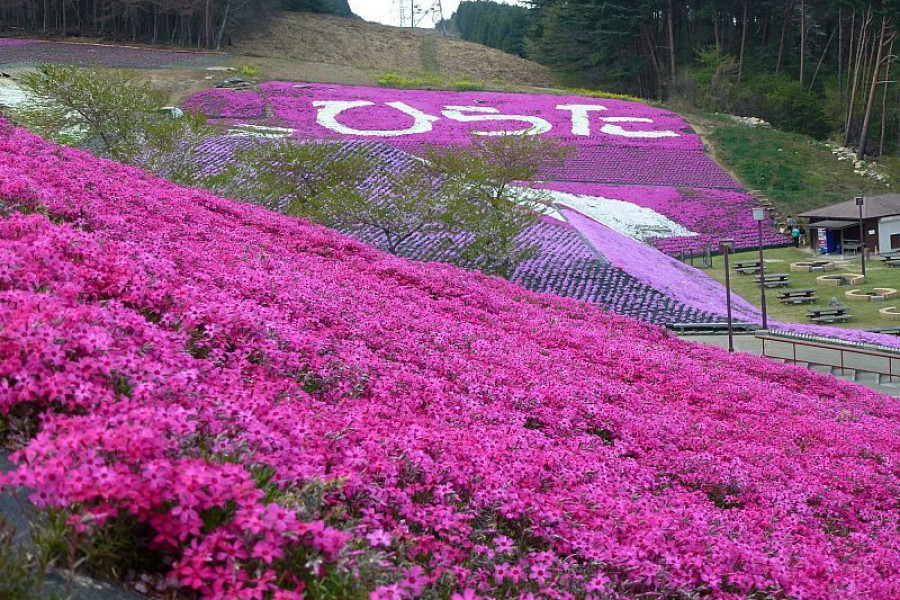
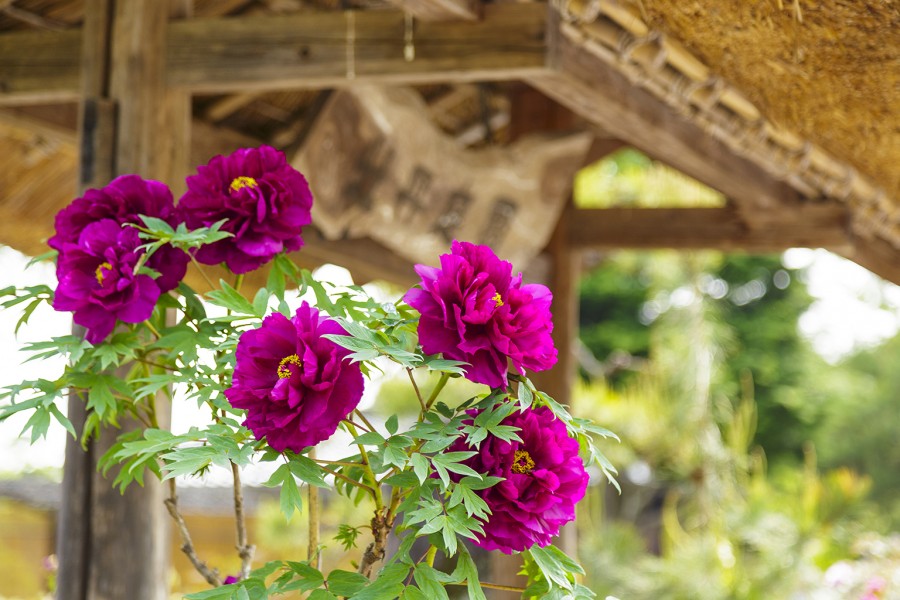
This peony garden is three times the size of Tokyo Dome, and has 290 varieties of peony, totalling 7,000 flowers. Key features of Sukagawa Botan-en Peony Garden include its 200 year-old peony plants, the 'Showa-no-yume' variety of peony unique to Sukagawa City, and a rare 'Toryo' Chinese peony presented by a representative from Luoyang, Sukagawa's sister-city in China. The deep purple of the Japanese peonies that grow in the garden are also very popular. Volunteer guides are ready to show visitors around the park for not extra charge. The Sukagawa Peony Garden is the only such garden in Japan to be designated as a Spot of Natural Beauty by the Japanese government. As well as peonies, the garden also boasts flowers such as roses, and Japanese irises, which are in bloom until the end of June.

Peak viewing season for peonies is from late April to mid-May.
 

Venue Details

Venue Details
Websitehttp://www.botan.or.jp/(Japanese)
Contact

Sukagawa Botan-en Peony Garden

(+81) 248-73-2422

info@botan.or.jp

Best Season
  • Spring
  • Summer
  • Autumn
Opening Hours

8:30 AM - 5:00 PM

ParkingFree parking for 1,300 cars. Parking for buses also available.
Related infoPark entrance fee during peak season
Adult: 500 yen, Children: 300 yen

Dates of peak season 2021*:
Apr. 16 - End of May
*as of May 21, 2020

English pamphlet available on the Sukagawa Botan-en Peony Garden homepage.
Access Details
AccessBotan-en 80-1, Sukagawa City, Fukushima Pref. 962-0815
View directions
Getting there

By Car: 10 min on Route 118 from Sukagawa I.C. exit off the Tohoku Expressway

By Train: 10 min bus ride from Sukagawa Station (JR Tohoku Main Line).

  • Alight at the Botan-en (牡丹園) bus stop.
  • Regular buses operate during the peak viewing season (late April to mid-May)

Nearby

The World Glassware Hall
Nature & Scenery

Jododaira Visitor Center

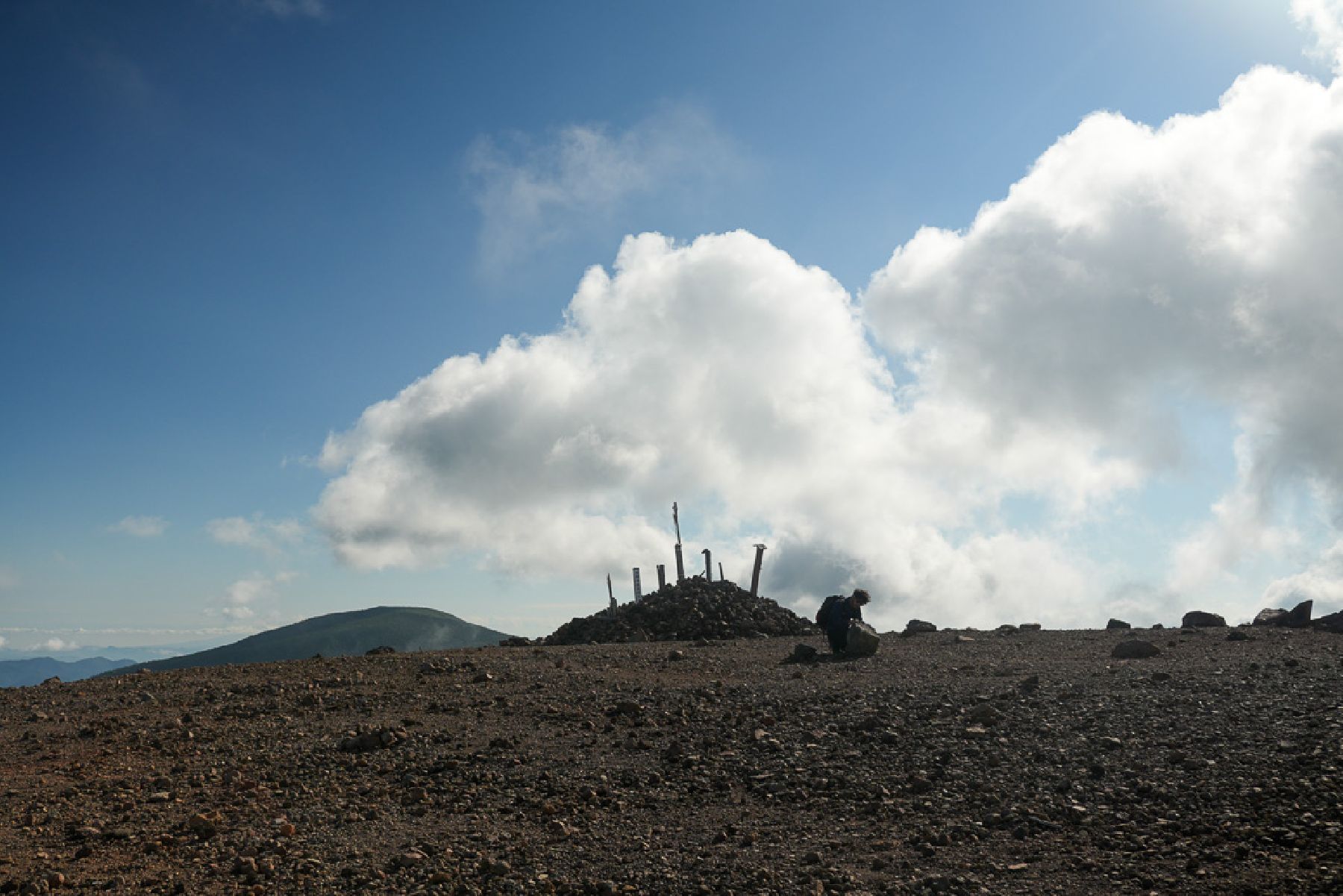
There is a special bus running from Fukushima Station to the Jododaira plateau while the mountain is open. Please visit the Jododaira Sky Access page for more details.Jododaira Visitor Center, located at an altitude of 1500 m, stands partway along the Bandai-Azuma Skyline sightseeing road. Jododaira acts as a base to spend the day hiking nearby mountain routes, including Mt. Higashi-Azuma (1,975 m) and Mt. Issaikyo (1,949 m). For those who don’t fancy a long hike, the 1-hour round trip walk up and around the crater at Mt. Azuma Kofuji (1,705 m) is perfect, as it is a very short walk from Jododaira Visitor Center. The Azuma mountains are all totally unique, and are great places to enjoy local flora and fauna. If hiking in this area, please be mindful that the altitude reaches close to 2000 m, so make sure to take equipment necessary in the event of a sudden weather change. The Jododaira area is also prone to high volcanic gas levels, so it is a good idea to check whether the area is open to visitors before making the drive up the mountain roads.

The World Glassware Hall
Nature & Scenery

Mogi Station

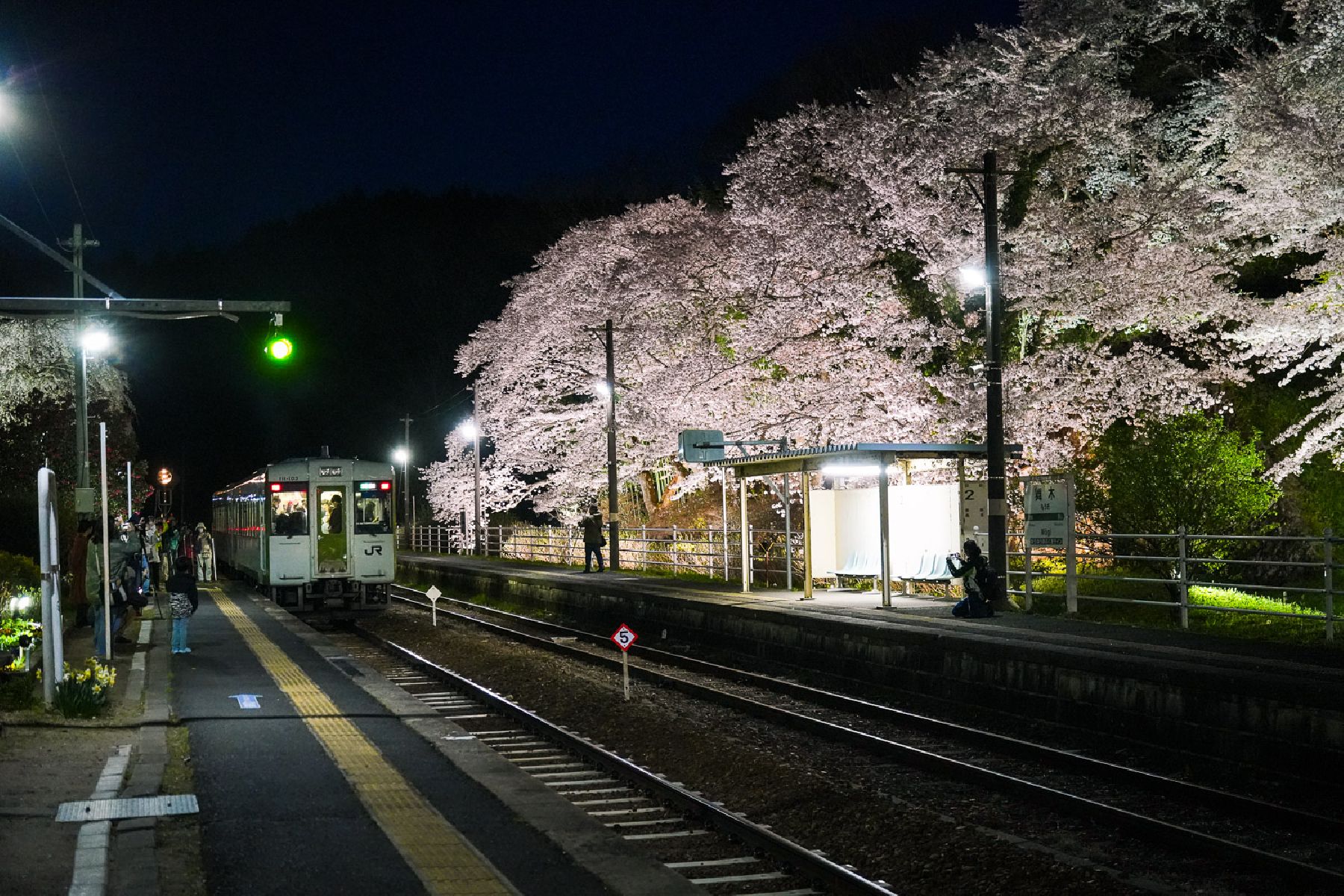
Mogi Station is a small, unassuming train stop that transforms drastically in spring. Every year around mid-April, the bank of over 30 cherry trees south of the station bursts into full bloom, turning the area into a picturesque array of pink, white and blue. The blossoms are illuminated at night once darkness falls, drawing visitors and photographers from across the region.Only the final train of the day, arriving at 21:30 from the direction of Miharu, pulls into platform two, with the background of the blooming cherry trees. For many photographers and train enthusiasts, this is the shot they visit to get. Despite its modest size, Mogi Station has quietly earned its place as one of the most photogenic, if lesser-known, hanami spots in the region.

You might also like

Bandai-Azuma Skyline
Nature & Scenery

Bandai-Azuma Skyline

There is a special bus running from Fukushima Station to the Jododaira plateau while the mountain is open. Please visit the Jododaira Sky Access page for more details.This sightseeing road that runs from Fukushima City's Takayu Onsen to the Tsuchiyu Pass, commanding panoramic views of the surrounding landscape.The spectacular views that stretch out at an average altitude of 1,350 meters attract visitors time and time again, and Bandai-Azuma Skyline has been selected as one of the 100 Best Roads in Japan.In spring, tourists can enjoy flower viewing while at the same time taking in the otherworldly winter scenery of the "Snow Corridor".In summer, the Nemoto Shakunage (Rhododendron brachycarpum), a species of alpine rose, and other alpine plants display their colorful flowers and fresh, brilliant green leaves. During autumn, the drive warms as roads become enclosed by fiery seasonal leaves.There are also many hot springs in the vicinity of the Skyline where visitors can enjoy a bath and relax stiff muscles while out on a daytrip.The roadway passes next to the crater of Mt. Azuma-Kofuji. Visitors can easily park their car at the nearby guest center and enjoy a short hike up to the crater’s rim.The Bandai-Azuma Skyline Roadway has been selected as one of the top 100 roads in Japan, and unlike many others, this one is free to use. There are rest stops along the way for the hungry traveler; the most popular is Jododaira, as it’s home to a rest house and an observatory.Be sure to plan ahead though, from mid-November to early April the roadway is closed due to heavy winter snowfall.

Shiki no Sato (Village of Four Seasons)
Nature & Scenery

Shiki no Sato (Village of Four Seasons)

Shiki no Sato (Village of Four Seasons) is a lawn-covered agricultural park of about 8 ha in size. There are western-inspired brick buildings in the center, which house a traditional crafts gallery. The gallery includes a glass workshop and kokeshi (traditional wooden doll) exhibit. You can learn to make blown glass, see kokeshi being made by local artisans, and try your hand at decorating a doll of your own. Shiki no Sato also has an ice cream shop offering seasonal ice creams made with the local fruits of Fukushima. In addition to ice cream, you can try a variety of locally-produced beers at the Shiki no Sato's beer hall. The seasonal flowers are a highlight of a visit to Shiki no Sato, which is loved by families and young couples alike. The summertime firework displays and the winter light-ups in the park are some of the most popular times to visit.

Abukuma Cave
Nature & Scenery

Abukuma Cave

A world of mystical beauty created over millions of years, Abukuma Cave is said to have the greatest variety and the largest number of stalactites in the whole of Asia. It takes about an hour to explore the inner world of the cave and the terrain is easy to navigate on foot.Abukuma Cave is a limestone cave that was discovered in 1969. Inside, visitors can walk the 600-meter-long path to explore and view the beautiful cave formations. Visitors can’t help but be impressed by the beauty of these natural creations formed over the course of 80 million years. The largest hall in the cave, called Takine Goten (Takine Hall), and Tsuki no Sekai (The Moon World), is illuminated with dramatic stage lighting and is particularly impressive.Also not to be missed are the rare cave formations called boxwork, you can identify them by their unique shape; thin blades of minerals coming off the walls and ceilings forming a honeycomb or box-like pattern. Abukuma Cave is the only cave in Japan with boxwork that is open to the public. Another notable stop along the cave path is the Christmas Tree and Silver Frost; both are impressive stalagmites that resemble festive holiday trees. The Christmas Tree is over two meters tall and said to be the largest example in all of Asia.There is an additional thrilling adventure course; experience crawling through narrow passages and climbing a ladder to spectacular views over the cave! This 120-meter-long course runs parallel to the main passage, but please note that visitors may have to crawl on their hands and knees at times.When you have finished exploring the mysterious depths and come back to the surface you can find plenty of restaurants and souvenir shops. Visit from mid-June to July to see the neighbouring hillside covered in 50,000 lavender plants.

Top