Shiki no Sato (Village of Four Seasons)

Shiki no Sato (Village of Four Seasons)

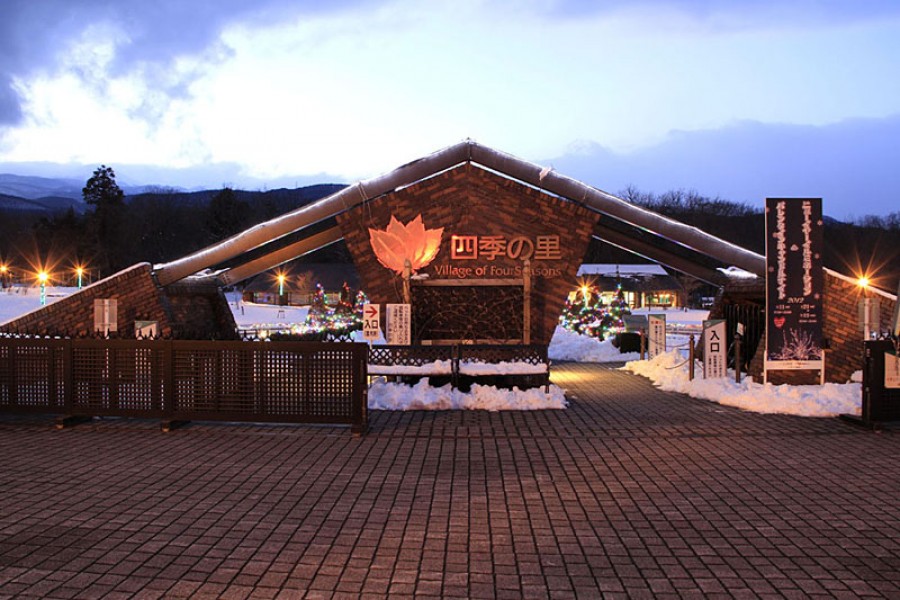
Shiki no Sato (Village of Four Seasons) is a lawn-covered agricultural park of about 8 ha in size. There are western-inspired brick buildings in the center, which house a traditional crafts gallery. The gallery includes a glass workshop and kokeshi (traditional wooden doll) exhibit. You can learn to make blown glass, see kokeshi being made by local artisans, and try your hand at decorating a doll of your own. Shiki no Sato also has an ice cream shop offering seasonal ice creams made with the local fruits of Fukushima. In addition to ice cream, you can try a variety of locally-produced beers at the Shiki no Sato's beer hall. The seasonal flowers are a highlight of a visit to Shiki no Sato, which is loved by families and young couples alike. The summertime firework displays and the winter light-ups in the park are some of the most popular times to visit.

Venue Details

Venue Details
Websitehttp://www.f-shikinosato.com
Contact

Shiki no Sato

(+81) 24-593-0101

Best SeasonAll Year
Opening Hours

9:00 AM – 9:00 PM

ParkingAvailable
Entrance FeeFree
Access Details
Access1-1 Nishi, Kamisagi, Arai, Fukushima City, Fukushima Pref.
View directions
Getting there

By Car: From Fukushima-Nishi IC exit off the Tohoku expressway, take Route 115 towards Aizu for 10 min. Shiki no Sato will be on the right before Tsuchiyu Onsen. There are signs on the way.
By Bus: Take a bus for Tsuchiyu Onsen from JR Fukushima Station. 5 min walk from the 'Shiki no Sato Iriguchi' bus stop.

Nearby

The World Glassware Hall
Gourmet & Shopping

Kunitaya Miso Factory

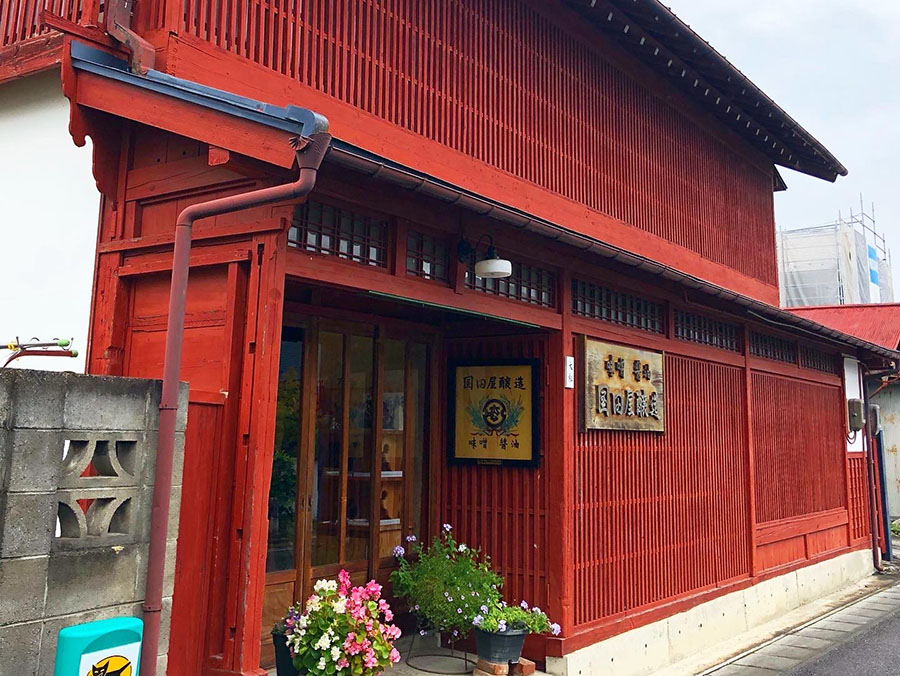
The Kunitaya Miso Factory is a small shop that was founded in 1777 to produce miso paste for the local community. Miso is one of the most (if not the most) popular flavor for foods in Japan. Many people drink miso flavored soup at least once a day and it isn’t uncommon to find miso soup present in every meal of the day. Before grocery stores and convenience stores were as widespread as they are today, people would go to their neighborhood miso shops to source this kitchen staple Today, many of these small shops have disappeared, however at Kunitaya Miso Factory, the owners want to preserve their small business and the unique culture of small batch local miso makers.The small scale operation allows for more freedom and diversity in flavors. At the café next door, “Kura Café,” you can try different variations and flavors of the miso that they produce at the Kunitaya Miso Factory.The brewery is housed in an old fashioned Japanese ware-house style building with a red lattice front. Years ago, during festivals, the red lattice front was removed to make the building more open to the street and the public. If you are interested in getting a more in depth experience, consider joining a tour of the brewery! Contact us if you are interested.
The World Glassware Hall
Hot Springs

Sabakoyu

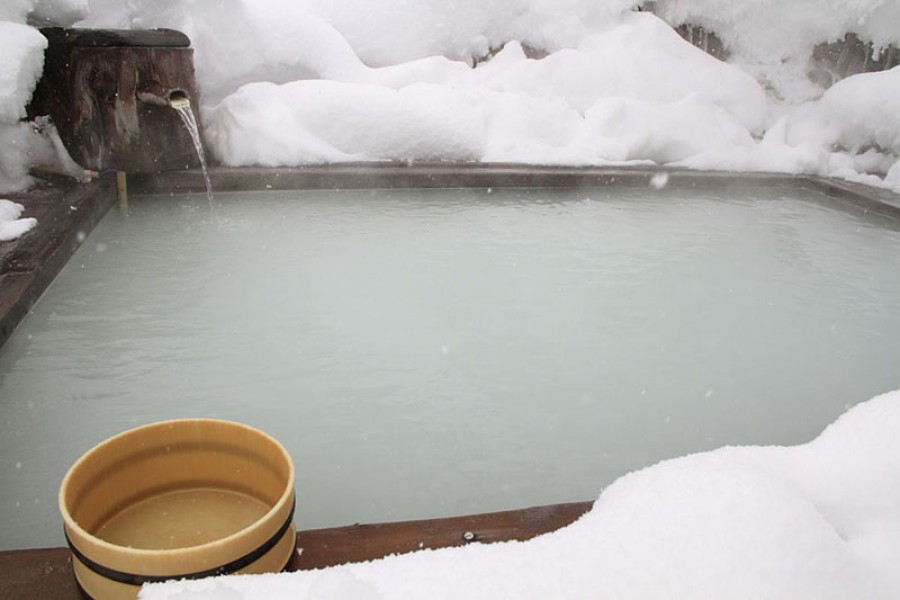
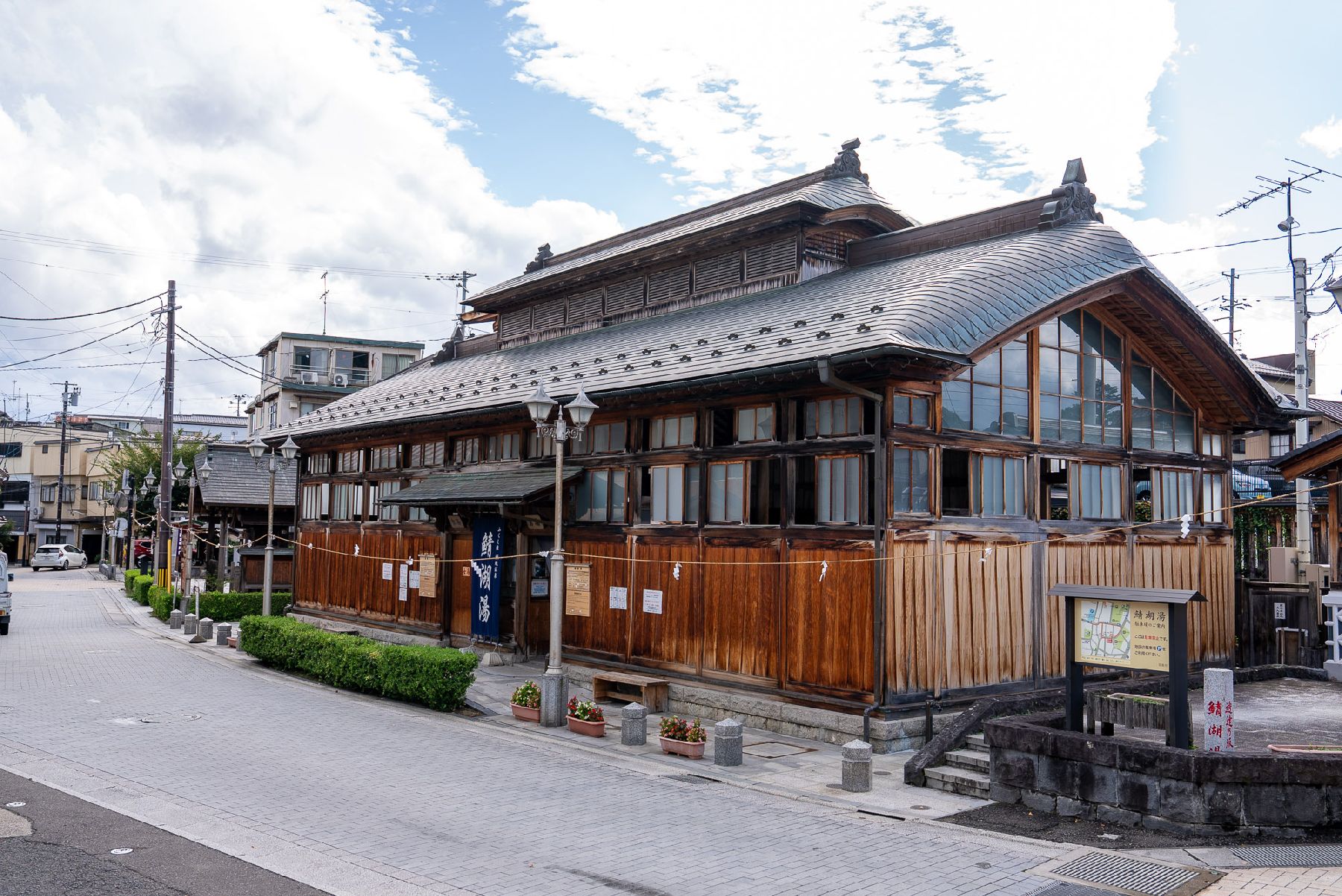
One of the defining sights of the charming Iizaka Onsen resort, the wooden frontage of Sabakoyu was famous for long being Japan's oldest wooden public bathhouse, before being renovated in 1993. The bath facilities are open to the public, giving visitors the chance to enjoy the authentic hot spring water straight from the source. The water here can reach temperatures of up to 50 degrees Celsius, giving it something of a reputation amongst the locals as too hot for first-timers to handle.The bathhouse is closed on Mondays, excepting public holidays. Guests should buy a ticket from the machine inside the entrance, and soap / shampoo are not provided, so bathers should bring their own.

The World Glassware Hall
Nature & Scenery

Majyo-no-hitomi (The Witch’s Eye Lake)

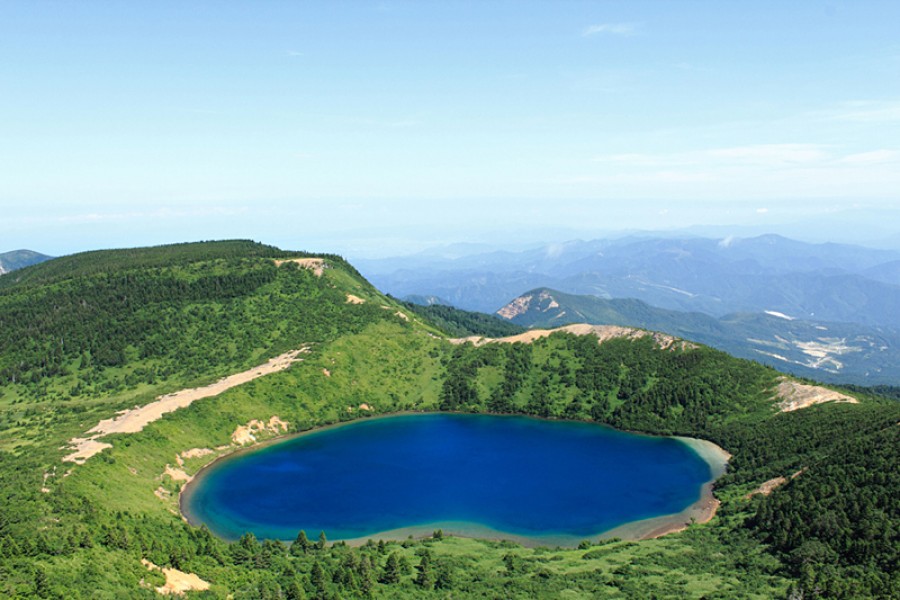
Majyo-no-hitomi, or The Witch's Eye Lake, is a volcanic lake that was formed during a volcanic eruption many years ago. Unique minerals in the water cause the lake to appear different colors, giving the lake its official name of Goshiki-numa (Five Colored Lake), but most often it is a bright blue. The nickname of “Witch's Eye” comes from the unique appearance of the lake that is visible in late spring when the snow melts enough so that only a white ring remains around the lake to form the white of what appears to be an enormous single eye.This lake viewpoint can be reached by an intermediate hike up Mt. Issaikyo that begins at the Jododaira Visitors Center, stop by for a map and safety information before hiking.

You might also like

Yuyu Land Hanawa Dahlia Park
Nature & Scenery

Yuyu Land Hanawa Dahlia Park

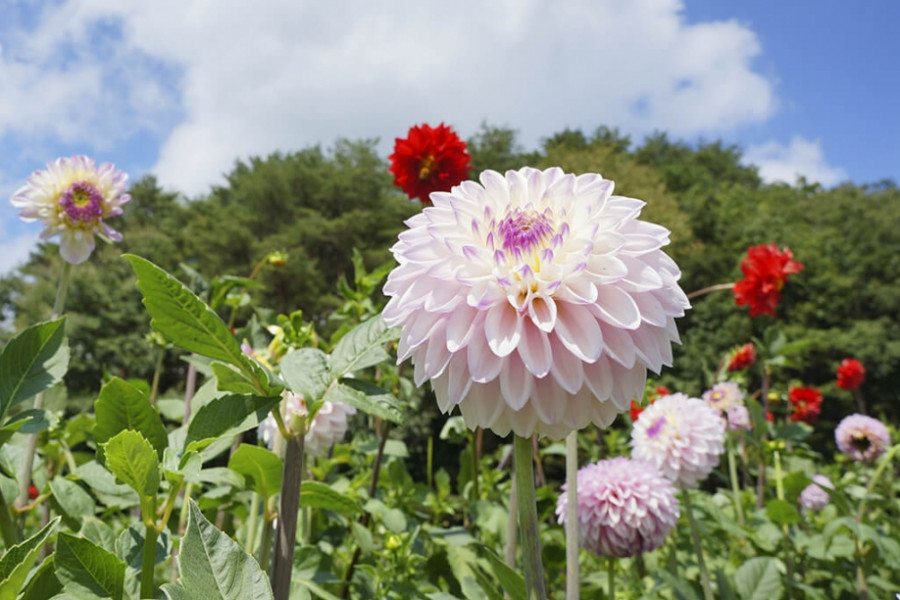
Yuyu Land Hanawa Dahlia Park is located within Yuyu Land Hanawa hot spring and accommodation facility. 300 kinds of 5000 dahlias bloom in approximately 7000 ㎡ site from summer to autumn at the Dahlia Park. Hanawa Town is home to 18 small dahlia gardens including 4 located in elementary and junior high schools. The best time to visit in order to see these flowers is between August and October. An annual dahlia festival is held in Hanawa Town every year to celebrate these vibrant flowers.

Ja no Hana Gardens
Nature & Scenery

Ja no Hana Gardens

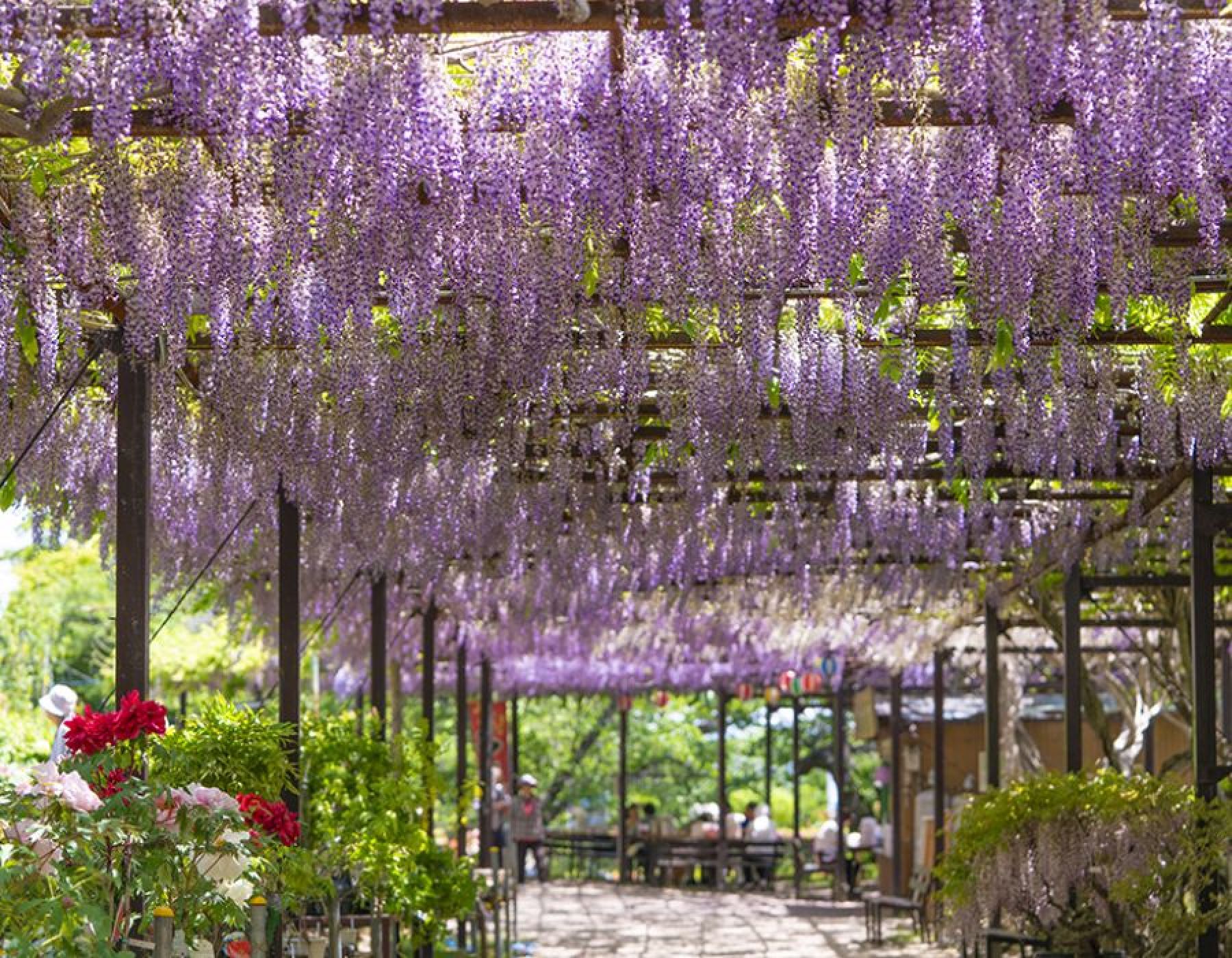
The Ja no Hana Gardens (蛇の鼻) are located in Motomiya, in the central area of Fukushima. From spring to autumn, this vast park -- six times the size of Tokyo Dome -- features a display of natural wonders like cherry blossoms, wisteria, roses, hydrangeas, water lilies, and autumn leaves. It is particularly famous for its 500-year-old wisteria tree that typically blooms in May, and its rows of over 500 maple trees that make for a stunning sight in autumn.There is also a historical residence, Ja no Hana-goten (Ja no Hana mansion), which is a registered tangible cultural property of Japan. Built in 1904, the impressive residence has intricate wooden carvings in the front entrance, and houses artworks and calligraphy works, often housing exhibitions. Visitors can enter the house and look at the artwork up close.Best season: Cherry blossoms: Early to late April Tulips: April to early May Peonies: Early to mid May Japanese wisteria: Early to late May Azaleas: Early to mid May Roses: Most varieties reach their peak around late May; from then until November, other varying kinds might be in bloom Water lilies: June to July Autumn leaves: Late October to November

Isshikikanei Shrine
Nature & Scenery

Isshikikanei Shrine

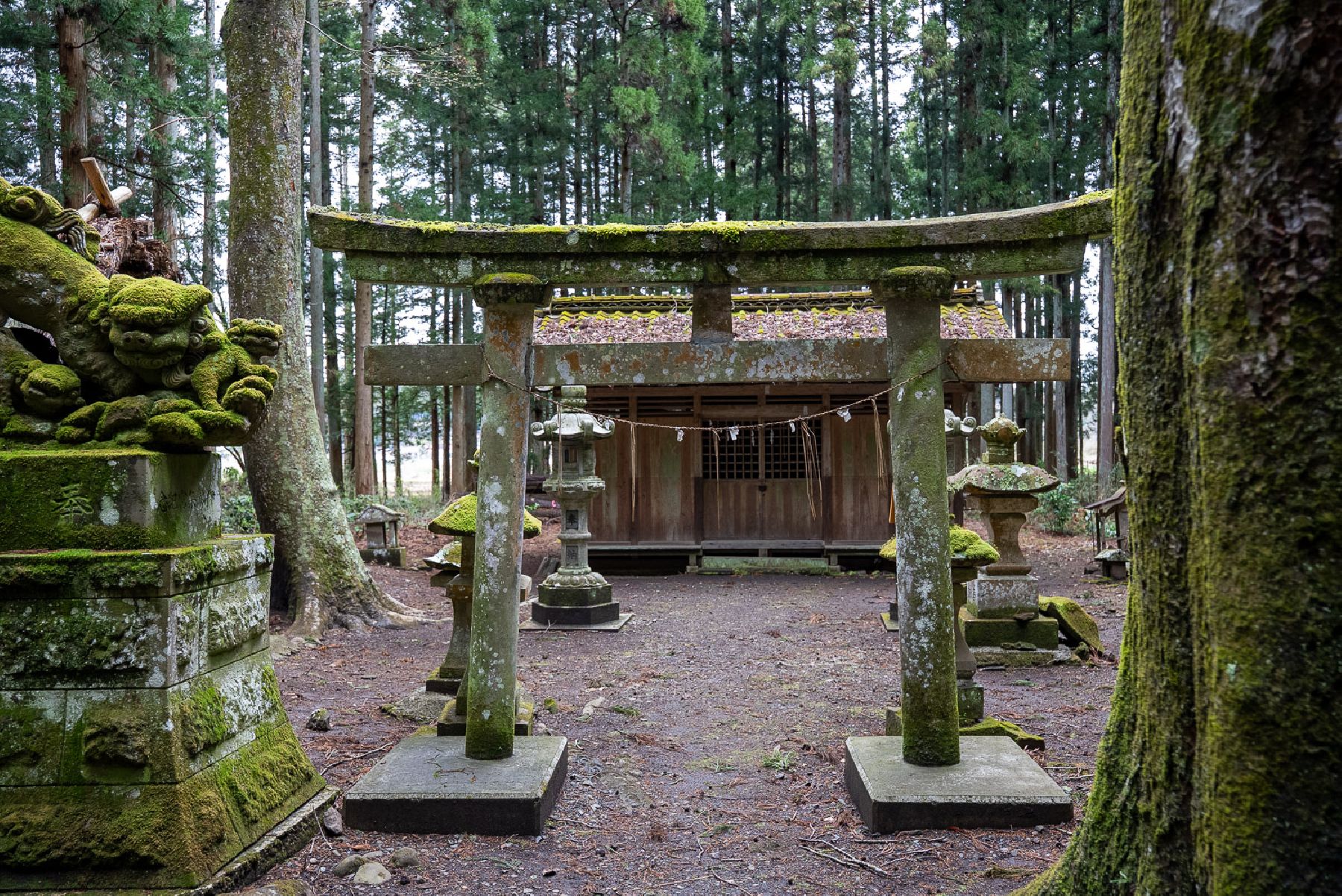
Tucked away in a cedar grove in Tanagura Town, the moss-covered rocks and statues of Isshikikanei Shrine make you feel like you’ve stepped into a Ghibli movie.The shrine is well-known in the area for its two koma-inu (lion statue) carvings. These were carved in 1934 by Kobayashi Wahei, a famous stonemason from the region responsible for dozens of statues on shrine grounds, especially in his birthplace of nearby Ishikawa Town. One of them is known as one of Kobayashi’s ‘Great Three Lion Statues’. 

Mogi Station
Nature & Scenery

Mogi Station

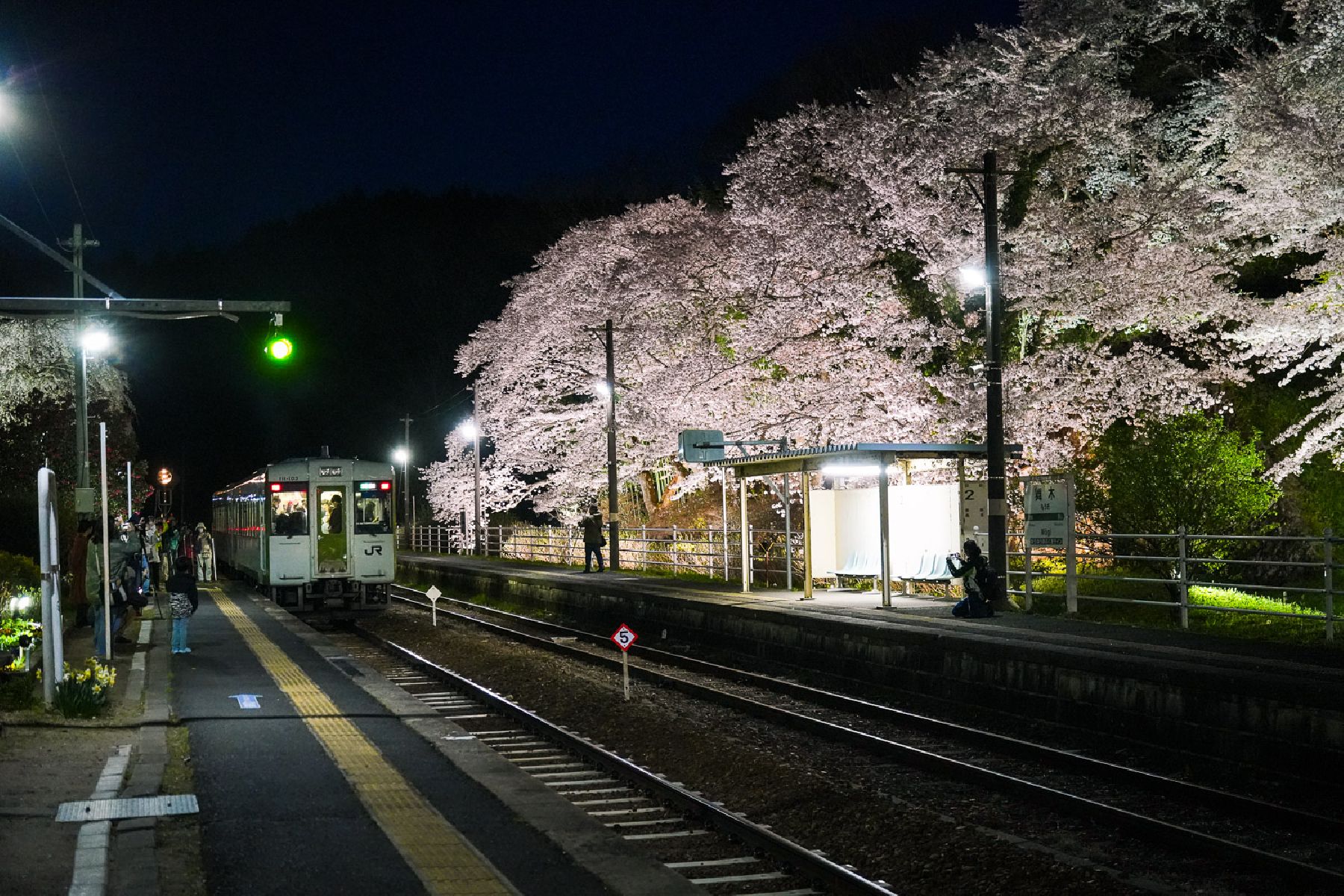
Mogi Station is a small, unassuming train stop that transforms drastically in spring. Every year around mid-April, the bank of over 30 cherry trees south of the station bursts into full bloom, turning the area into a picturesque array of pink, white and blue. The blossoms are illuminated at night once darkness falls, drawing visitors and photographers from across the region.Only the final train of the day, arriving at 21:30 from the direction of Miharu, pulls into platform two, with the background of the blooming cherry trees. For many photographers and train enthusiasts, this is the shot they visit to get. Despite its modest size, Mogi Station has quietly earned its place as one of the most photogenic, if lesser-known, hanami spots in the region.

Top