Noji Onsen

Noji Onsen

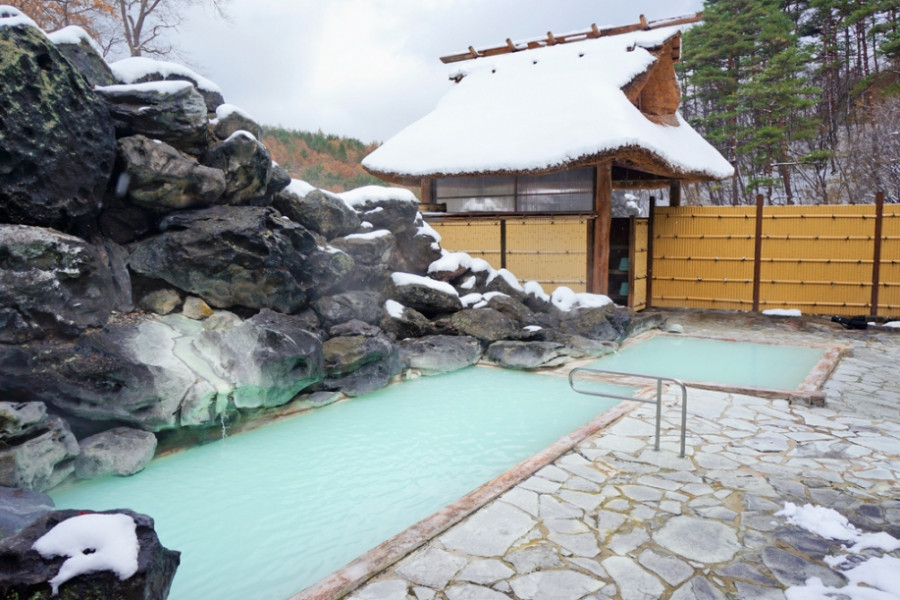
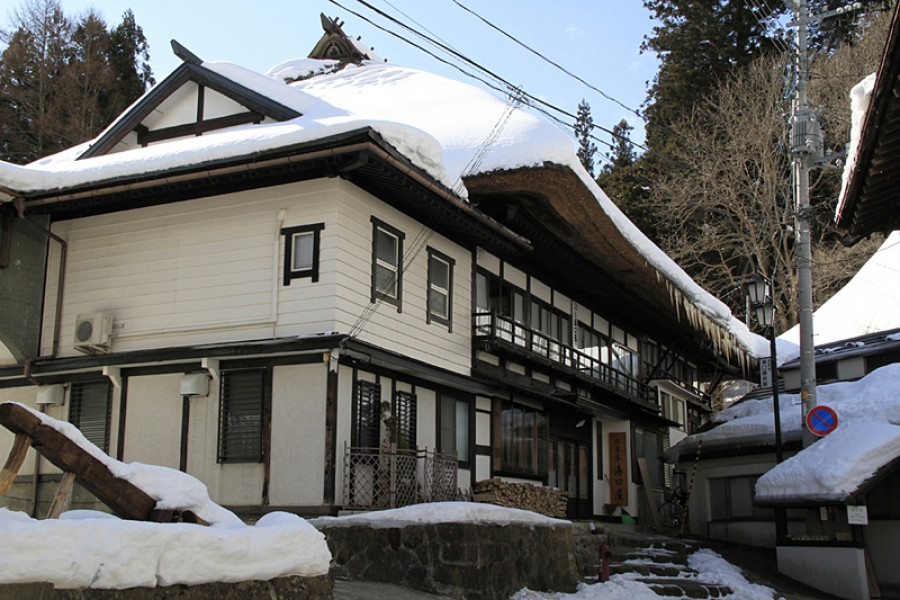
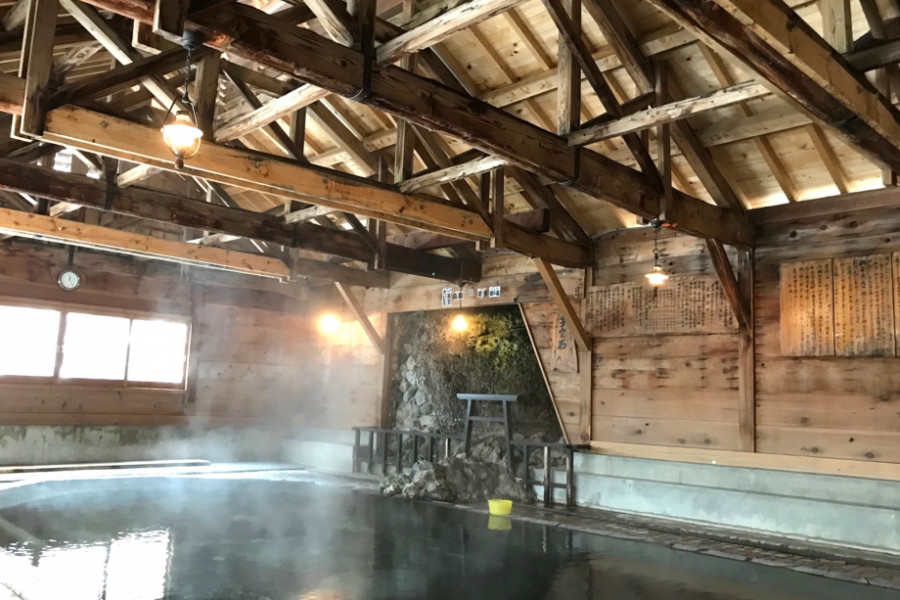
Noji Onsen is a beautifully scenic onsen resort in Adatara mountains. It is especially breathtaking when the outdoor baths, and their cloudy white waters, are surrounded by stunning snowy landscapes in winter.

Venue Details

Venue Details
Websitehttps://www.tcy.jp/en/
Contact

Tsuchiyu Onsen Tourism Association

(+81) 24-595-2217

Best SeasonAll Year
Access Details
AccessNoji 1, Tsuchiyu Onsen-machi, Fukushima City, Fukushima Pref. 960-2157
View directions
Getting there

By Car: 40 min from Fukushima-nishi I.C exit off the Tohoku Expressway

By Train: 50 min by free shuttle bus departing from JR Fukushima Station. (This bus must be reserved in advance, and is only available to overnight guests)

Nearby

The World Glassware Hall
Nature & Scenery

Jorakuen

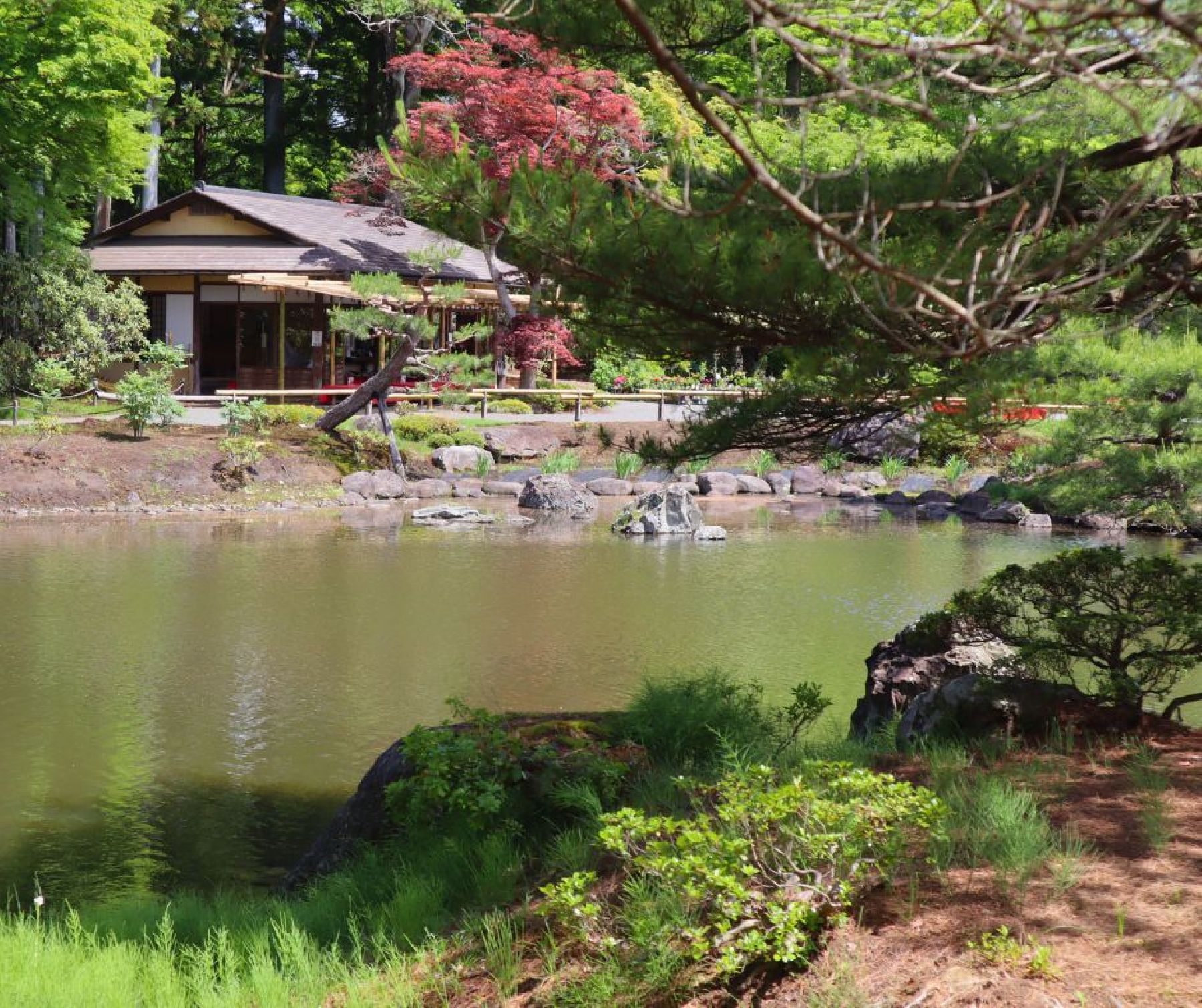
Jorakuen (浄楽園) is a traditional Japanese garden located in Fukushima City. It was completed by an expert gardener who worked on the famous Kinkaku-ji Temple in Kyoto, and it has a total area of about 25,000 square meters (over 269,000 square feet).The garden can be enjoyed in spring, summer and autumn. Spring brings about delicate cherry blossoms, irises, and rhododendrons; water lilies and lotus flowers adorn the ponds during the summer; and brightly colored trees decorate the park in autumn.  No matter the season, the backdrop of the Azuma mountains makes for a spectacular sight at Jorakuen.There is a souvenir shop and traditional teahouse at the garden where visitors can enjoy matcha and Japanese sweets (‘wagashi’). The park remains closed during the winter season, from December 1st to March 31st.

The World Glassware Hall
Gourmet & Shopping

BRITOMART

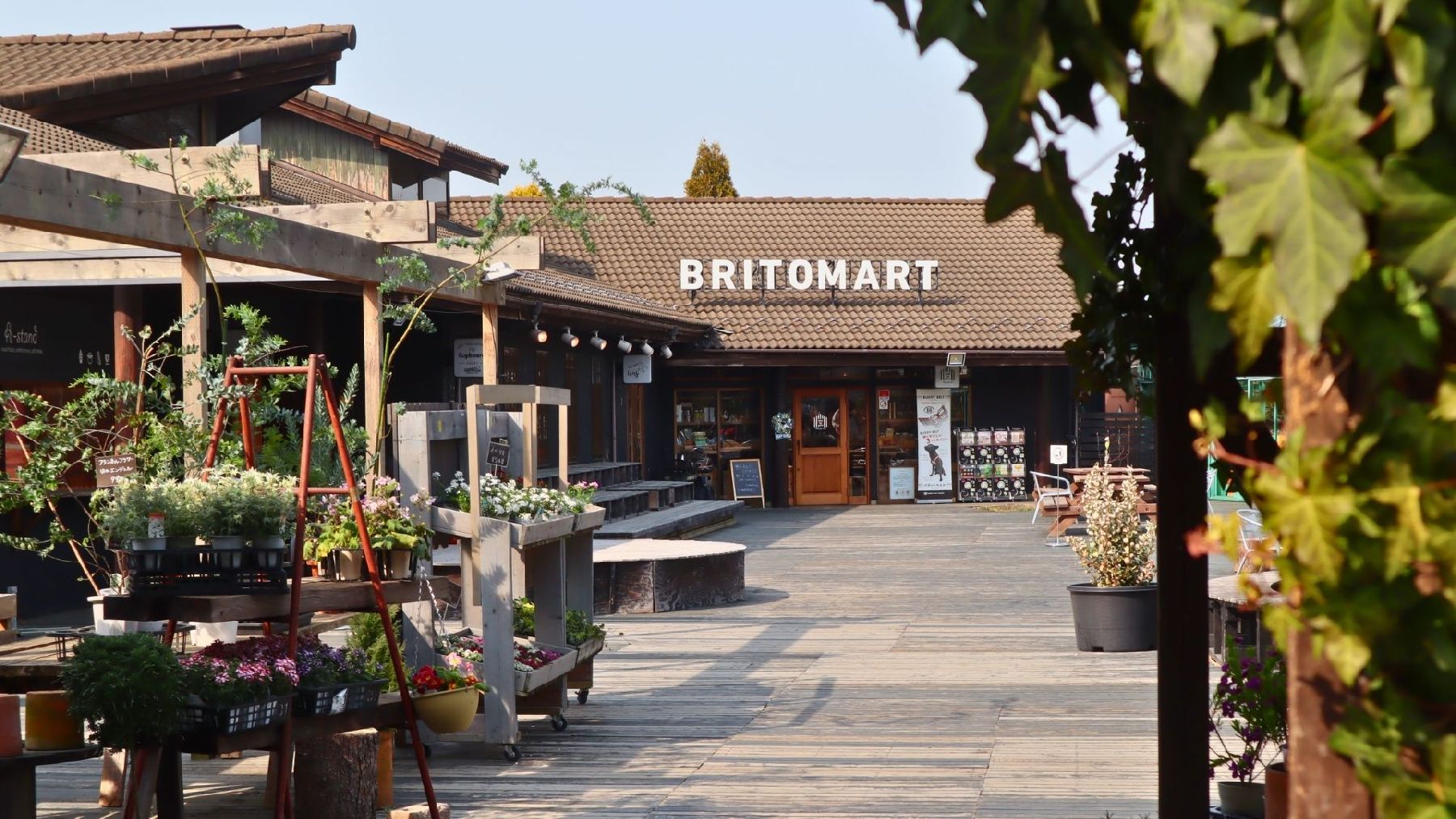
BRITOMART is a stylish and rural shopping and restaurant complex in Miharu Town, Tamura district. It makes for the perfect place for a pit stop, or to take a coffee or lunch break if you’re visiting nearby tourist attractions, such as the Miharu Takizakura or the Koriyama Museum of Art. Its many wooden storefronts blend wonderfully with the surroundings.BRITOMART includes a bakery, a coffee shop, an interior shop, a restaurant, a home and garden shop, and more. Relax and enjoy the natural environment in the heart of Miharu, a beautiful rural town in central Fukushima prefecture, known for having splendid displays of flowers in the spring, and thousands of sakura trees.

The World Glassware Hall
Nature & Scenery

Kassenba's Weeping Cherry Tree

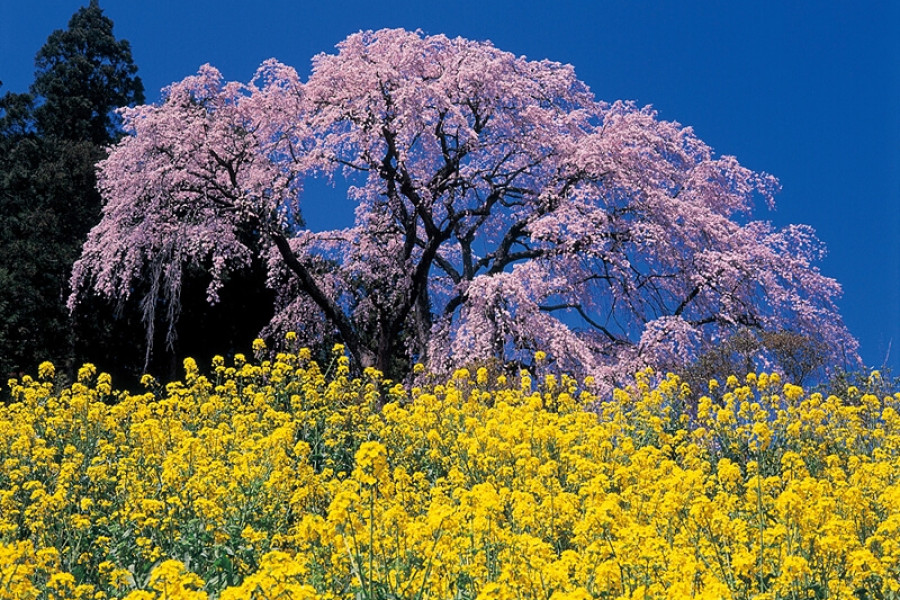
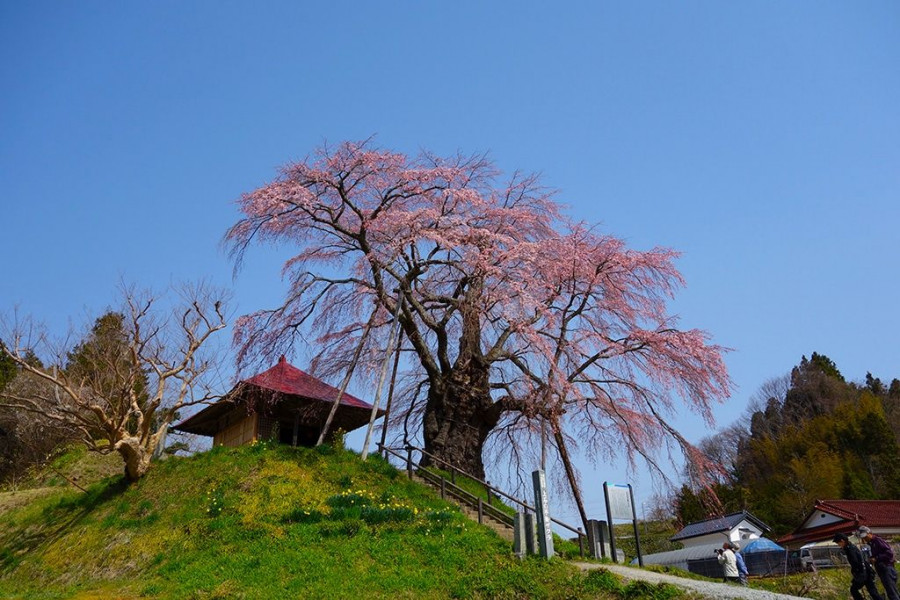
These two weeping cherry trees are said to be the grandchildren of the great Miharu Takizakura weeping cherry tree in nearby Miharu Town. They bloom with fantastic pink flowers. When they are in full bloom, the trees are if a waterfall of blossoms is cascading from their branches. These trees are estimated to be around 170 years old. We recommend taking photographs from the bottom of the slope, so you can capture the pink of the blossoms, together with the blue of the sky, and yellow of the canola flowers.

You might also like

Dake Onsen
Hot Springs

Dake Onsen

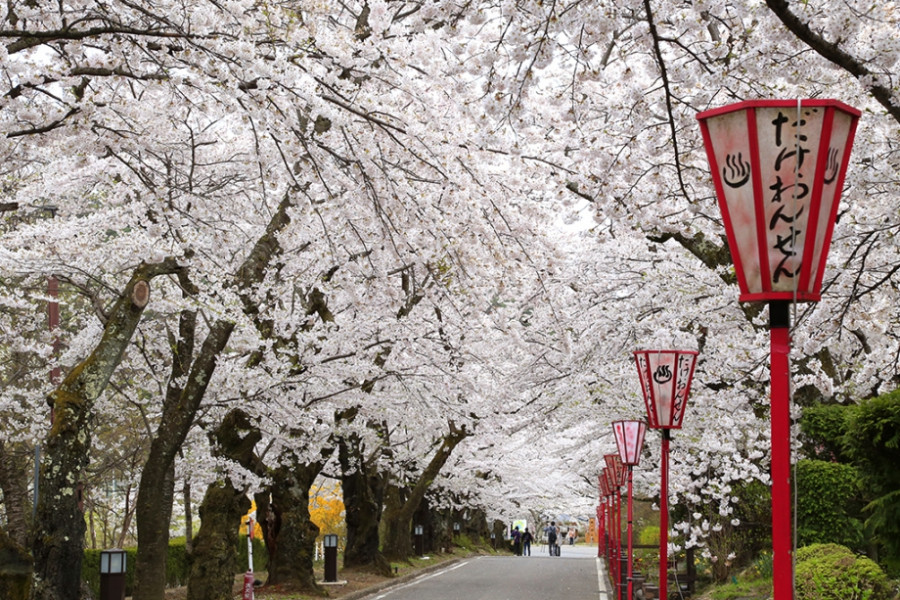
Dake Onsen is one of Japan's few naturally acidic hot spring sources. The onsen source is located some 8 kilometers away from Dake Onsen town, meaning the hot spring water must be pulled from the source, travelling for around 40 minutes before it reaches the town. During this journey, the hot water becomes softer, making it gentle on the skin. Since the Dake Onsen's hot spring waters are acidic, it is recommended that visitors rinse in the shower after bathing in the town's onsen.This onsen town is also a popular spot for cherry blossom viewing. The cherry blossom tunnel at Sakura Hill in Dake Onsen – an onsen town located on the periphery of Mt. Adatara – comes into full bloom in mid-April. Visitors are greeted with fantastic views of cherry blossom against a backdrop of Mt Adatara still sprinkled white with the remainder of last winter’s snow.

Takayu Onsen
Hot Springs

Takayu Onsen

This famous hot spring area is located at an altitude of approximately 750 meters, which is why it’s called 'taka-yu' ('taka' means 'high-up' and 'yu' means 'hot spring'). Located on the slopes of the Azuma mountain range, Takayu Onsen area was once known as “Shinobu Takayu” and, together with Zao Takayu and Shirabu Takayu, prospered as one of three Takayu in what was once known as the northern Ou region. The waters of Takayu Onsen are a bluish milky color and are thought to have healing properties. Most of the resort facilities of the area neither add water nor adjust the temperature in order to maintain the natural allure of the hot spring waters. After bathing in the waters of this spring, your skin becomes almost slippery from the high acidic and hydrogen sulfide makeup. In the Takayu Onsen area, there are 10 natural hot spring sources, with names such as 'Takinoyu', 'Netsuyu', and 'Senkinoyu'. These sources are named after old public baths. In the olden days, bathtubs were built right next to or directly above the hot spring source. Today, the bathing facilities still receive their water flowing directly from the same source. Nowadays, Takayu Onsen consists of about a dozen ryokan (traditional Japanese inns), all offering their unique charm to travelers. You’ll be pleased to note that many of the ryokan open their hot spring baths to non-staying guests for a small fee. The most famous hot spring facility in Takayu Onsen is Tamagoyu, a wooden bathhouse with a traditional feel. There’s even a foot bath in the center of the town open to the public. If public bathing isn’t something you feel comfortable with, many of the onsen facilities in the area also offer private onsen rooms with a rotenburo (open-air bath) available for your own use. It is a relaxing experience unlike any other to soak in the hot waters and feel your worries melt away.
Top