Nicchu Line Weeping Cherry Blossoms

Nicchu Line Weeping Cherry Blossoms

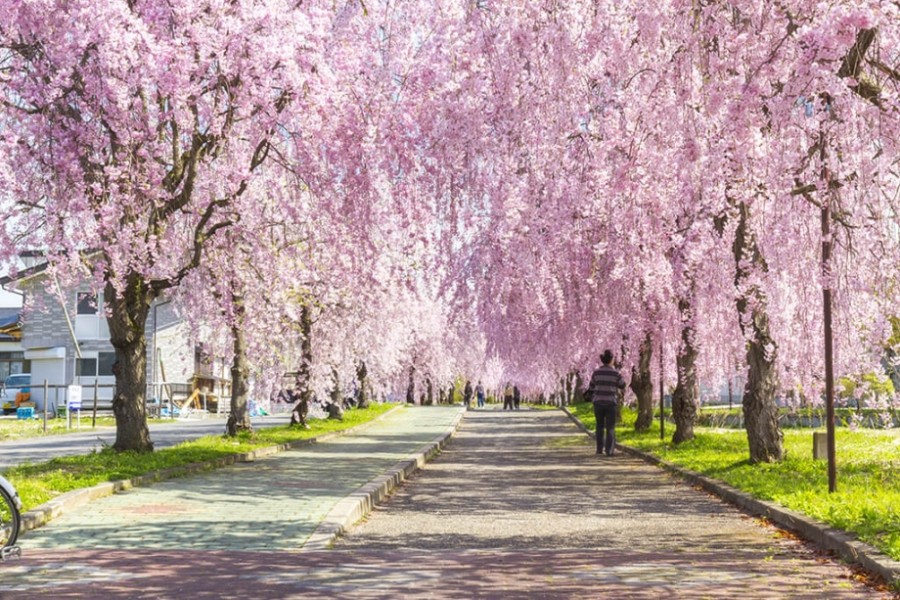
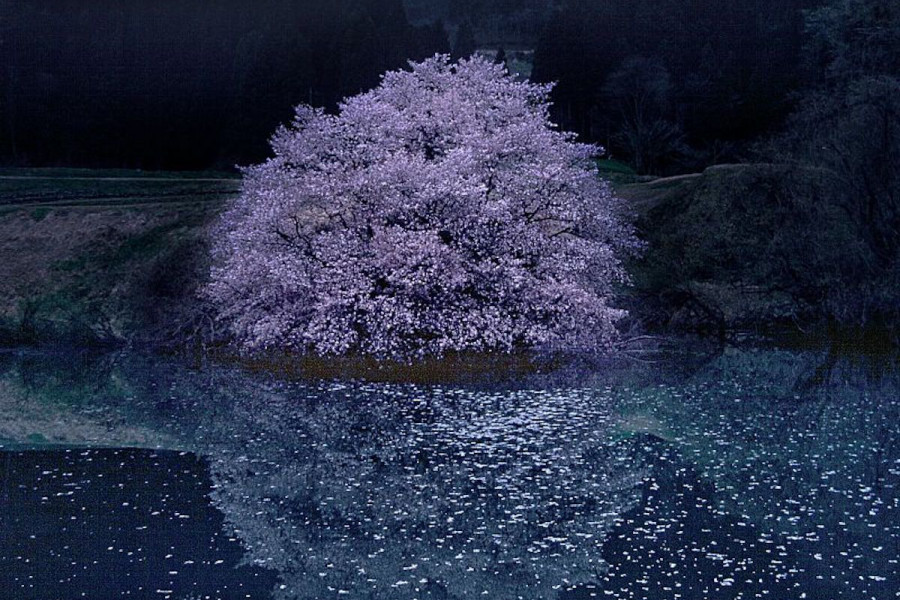
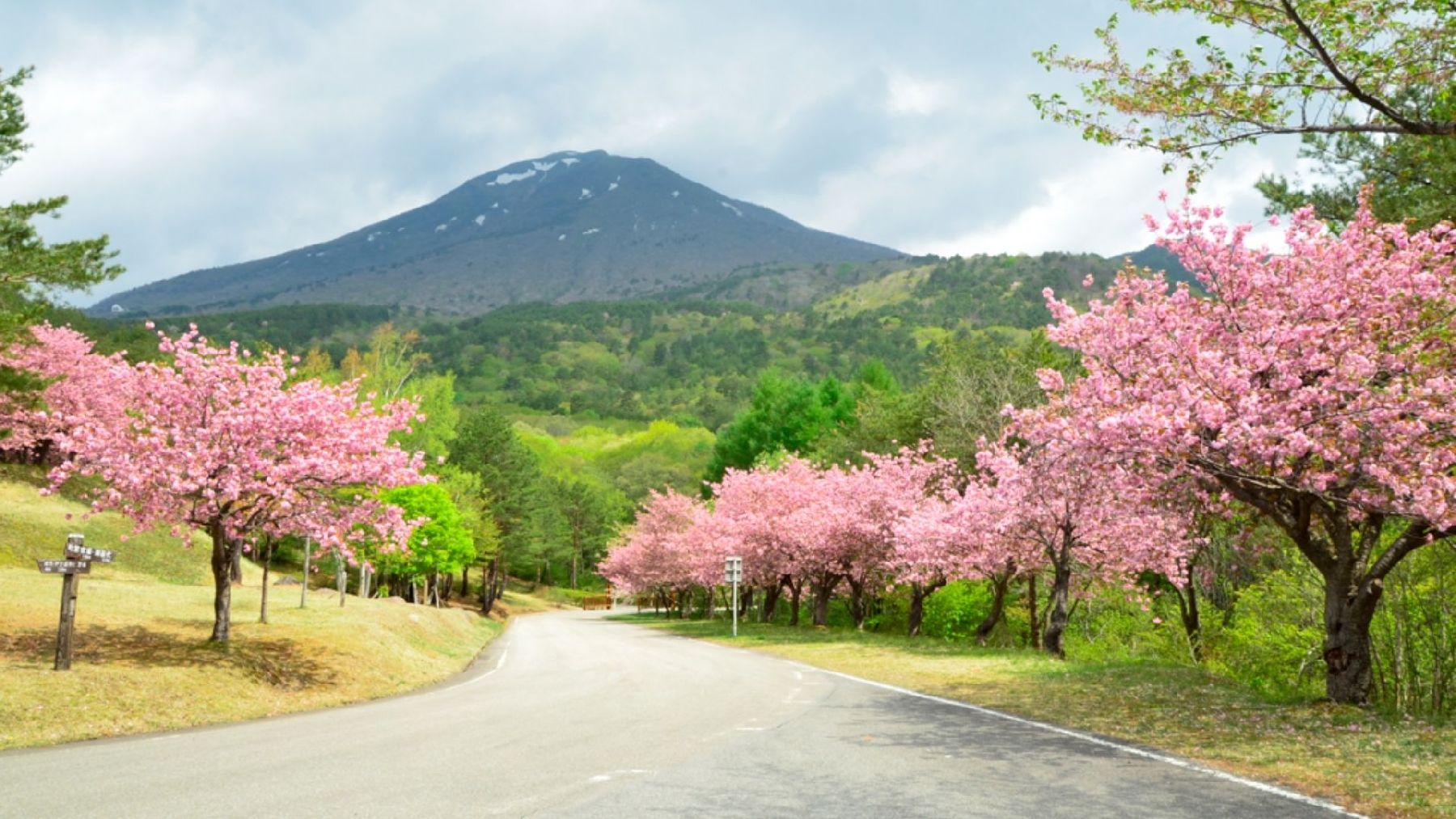
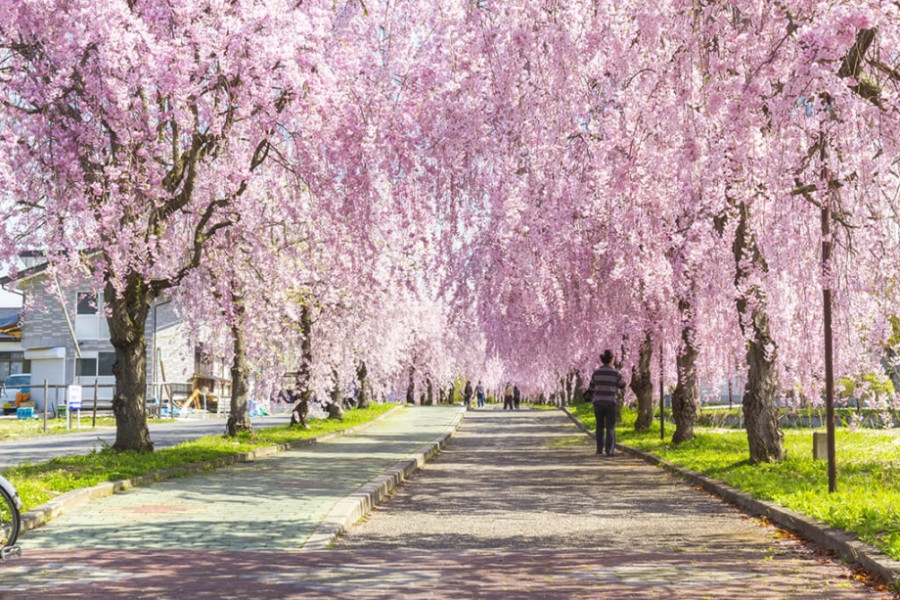
The Nicchusen cherry blossoms in Kitakata City follow a three-kilometer section of the former Nicchu Line railway. Once running between Kitakata and Atsushio Onsen, part of the line has been converted into a walking and cycling path. Each spring, rows of cherry trees along the path draw visitors to see them in bloom, usually around Golden Week in late April or early May.

The length of the path allows people to enjoy the blossoms at their own pace. Even when some areas are busy, it is easy to find quieter spots for photos or a break. Visitors often walk the full route, stopping at different points to take in the changing scenery.

Along the way, there are several features of interest. An old steam locomotive, once used on the Nicchu Line, remains on display at the midpoint and has become a popular photo spot. The path also runs past houses, rice fields, and farmland, giving a glimpse of the everyday landscape of Kitakata.

Different types of cherry trees can be seen, from weeping varieties to those with pale or darker blossoms. With open areas to sit and rest, many people bring food or drinks to enjoy a picnic under the trees, making the Nicchusen cherry blossom path a relaxed way to experience spring in Fukushima.

Venue Details

Venue Details
Websitehttp://www.kitakata-kanko.jp/category/detail.php?id=104(Japanese)
Contact

Kitakata Tourism and Product Association

(+81) 241-24-5200

Best Season
  • Spring
ParkingPaid parking
Entrance FeeFree
Related infoBest time to see cherry blossoms: Mid to Late April
Access Details
Access2 Oshikiri Higashi, Kitakata City, Fukushima Pref.
View directions
Getting there

By Car: 35 min drive from the Aizuwakamatsu I.C. exit off the Ban-etsu Expressway.

By Train: 5 min walk from Kitakata Station on the JR Ban-etsu West Line

Useful Links

Destination Spotlight: Nicchu Line Weeping Cherry Blossom

Fukushima's Top Cherry Blossom Spots

Cycling in Kitakata City

Related trips

Nearby

The World Glassware Hall
Museums & Galleries

Mt. Bandai Eruption Memorial Museum

This museum introduces the eruption of Mt. Bandai, and uses large sized models and "body sonic" facilities to give a simulated experience of the eruption in 1888 of Mt. Bandai. The plants and animals that live around Mt. Bandai are introduced using a diorama, and nature observation meetings are held several times a year. This museum has wheelchair access and bathroom facilities.The museum is across the road from Mt. Bandai 3D World, and a combined entrance ticket is available for the two facilities.

The World Glassware Hall
Nature & Scenery

Tenkyokaku

Named by the Crown Prince Yoshihito upon its opening in 1907 as “The Palace of Heaven’s Mirror”, Tenkyokaku is a decadently decorated former villa.Imperial Prince Arisugawa Takehito decided to build Tenkyokaku after being impressed by the beauty of Lake Inawashiro during a visit to the Tohoku District. His family, the Arisugawa-no-miya Family, owned the villa until 1952, when it was granted to Fukushima Prefecture.Tenkyokaku has since been used as a meeting hall and a space for lectures and exhibitions. The former villa, its annex and its front gate have been specified as important cultural properties of Japan.Despite being restored in 1984, the building retains many of its original features, including the impressive chandelier which can be seen below.Despite no longer being able to see Lake Inawashiro from the windows of Tenkyokaku, the luxurious renaissance-style architecture and liberal use of all things gold and glittery means that visitors will by all means feel that its name still rings true.For only 1000 yen, you can dress up in a traditional outfit and take as many photos as you would like in the building!

The World Glassware Hall
History & Culture

Oyaku-en Garden

Oyaku-en was used approximately 600 years ago as a villa for the then lord of the Aizu Domain. Subsequently, in the mid-17th century, the lord of the Aizu Domain started growing medicinal herbs within the grounds which he developed to protect the citizenry from epidemics. This lead to the garden gaining the name "Oyaku-en", which literally means "medicinal garden."The traditional garden has been preserved as it was long ago, and Oyaku-en has now been designated as an important national asset. The buildings within the grounds were used by the lord as a place of relaxation and for entertainment. Accordingly, Oyaku-en still contains buildings devoted to Japanese tea.Many visitors choose to drink green tea, served by the staff, on the benches by the pavilion, looking out over the still waters and the flocks of ducks that make their home here.Oyaku-en is also well-known as a popular autumn colour spot, with several trees turning a vibrant yellow in mid-November. The garden is a short distance from Tsurugajo Castle, making for an excellent combination for visitors wanting to learn more about Aizu's rich samurai history. The two sites also happen to be the grounds for one of the Aizu region's best winter sights, the Aizu Painted Candle Festival.

You might also like

Lake Inawashiro
Nature & Scenery

Lake Inawashiro

Japan's fourth-largest freshwater lake, Lake Inawashiro is situated in Bandai Asahi National Park. It is also known as the “Heavenly Mirror Lake” and has a surface area of 104 square kilometers! The combination of Lake Inawashiro and Mt. Bandai form one of Aizu's representative landscapes. And being less than three hours from Tokyo by shinkansen and local train means that you have easy access from a major transport hub.The lake offers year-round fun. Enjoy cherry blossoms in spring at Iwahashi Shrine, one of Aizu’s five famous cherry trees. Summer at Lake Inawashiro is slightly cooler than the rest of Fukushima, so take advantage of camping by the lakeshore, and a wide variety of marine sports. Colored leaves and hikes are the popular thing to do in autumn, view the fiery hues and take in the crisp air. In winter, visitors can enjoy fresh powder snow and winter thrills in the form of skiing and snowboarding; and you can even catch a glimpse of migrating swans on the shores.It’s truly a beauty no matter when you decide to visit. There are also a wide range of scenic spots from where visitors can take photographs and soak in the view. It’s a great place to escape from the stress of work and life or just to experience Japanese nature and landscapes.Lake Inawashiro's size means that it is accessible from a number of sightseeing spots, including Tenkyokaku stately house and Hideo Noguchi Memorial Museum (a museum dedicated to the life and work of a Japanese scientist famous for his research on yellow fever). There’s plenty more to do nearby: view some amazing works by international artists at the Morohashi Museum of Modern Art, or visit the rainbow-colored Goshiki-numa Ponds.

Tenkyokaku
Nature & Scenery

Tenkyokaku

Named by the Crown Prince Yoshihito upon its opening in 1907 as “The Palace of Heaven’s Mirror”, Tenkyokaku is a decadently decorated former villa.Imperial Prince Arisugawa Takehito decided to build Tenkyokaku after being impressed by the beauty of Lake Inawashiro during a visit to the Tohoku District. His family, the Arisugawa-no-miya Family, owned the villa until 1952, when it was granted to Fukushima Prefecture.Tenkyokaku has since been used as a meeting hall and a space for lectures and exhibitions. The former villa, its annex and its front gate have been specified as important cultural properties of Japan.Despite being restored in 1984, the building retains many of its original features, including the impressive chandelier which can be seen below.Despite no longer being able to see Lake Inawashiro from the windows of Tenkyokaku, the luxurious renaissance-style architecture and liberal use of all things gold and glittery means that visitors will by all means feel that its name still rings true.For only 1000 yen, you can dress up in a traditional outfit and take as many photos as you would like in the building!

Top