Nicchu Line Weeping Cherry Blossoms

Nicchu Line Weeping Cherry Blossoms

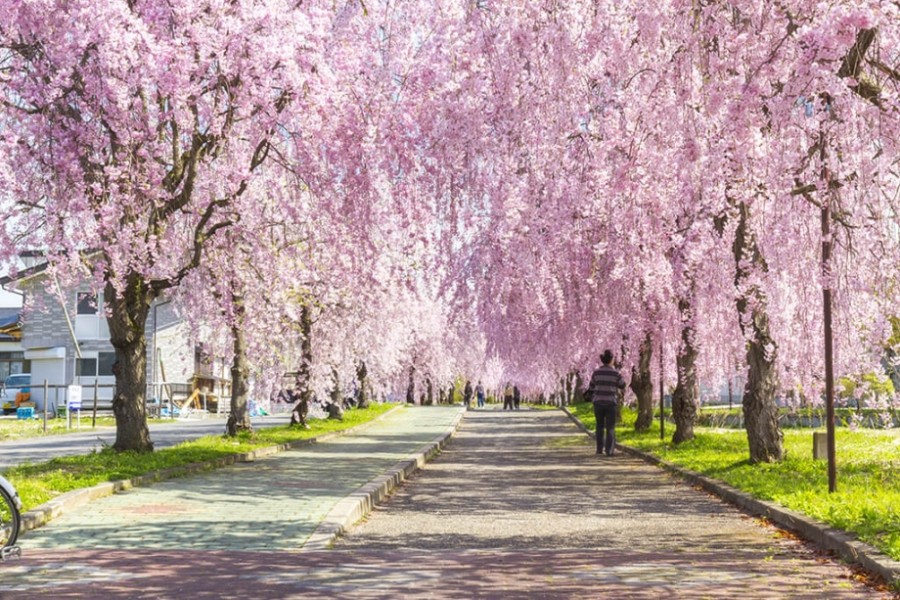
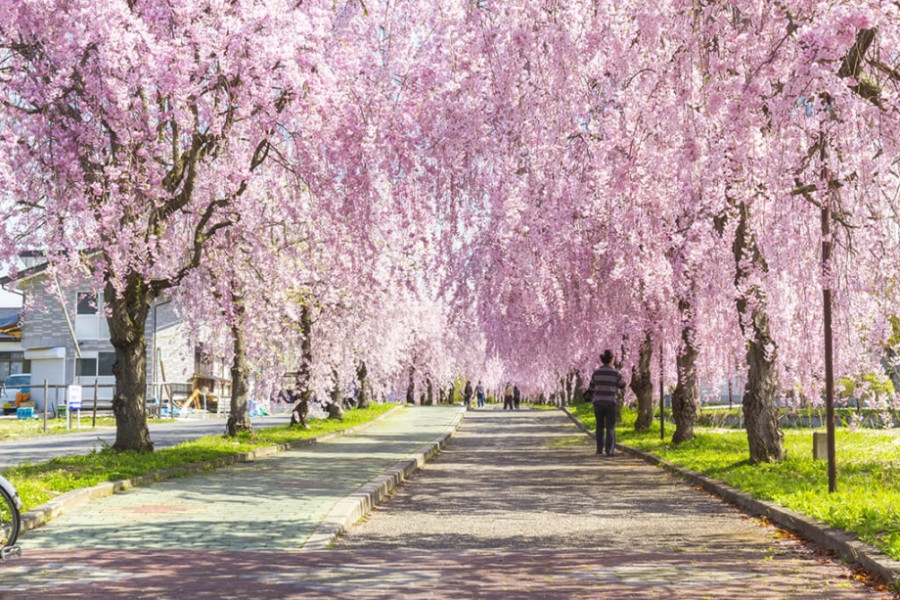
The Nicchusen cherry blossoms in Kitakata City follow a three-kilometer section of the former Nicchu Line railway. Once running between Kitakata and Atsushio Onsen, part of the line has been converted into a walking and cycling path. Each spring, rows of cherry trees along the path draw visitors to see them in bloom, usually around Golden Week in late April or early May.

The length of the path allows people to enjoy the blossoms at their own pace. Even when some areas are busy, it is easy to find quieter spots for photos or a break. Visitors often walk the full route, stopping at different points to take in the changing scenery.

Along the way, there are several features of interest. An old steam locomotive, once used on the Nicchu Line, remains on display at the midpoint and has become a popular photo spot. The path also runs past houses, rice fields, and farmland, giving a glimpse of the everyday landscape of Kitakata.

Different types of cherry trees can be seen, from weeping varieties to those with pale or darker blossoms. With open areas to sit and rest, many people bring food or drinks to enjoy a picnic under the trees, making the Nicchusen cherry blossom path a relaxed way to experience spring in Fukushima.

Venue Details

Venue Details
Websitehttp://www.kitakata-kanko.jp/category/detail.php?id=104(Japanese)
Contact

Kitakata Tourism and Product Association

(+81) 241-24-5200

Best Season
  • Spring
ParkingPaid parking
Entrance FeeFree
Related infoBest time to see cherry blossoms: Mid to Late April
Access Details
Access2 Oshikiri Higashi, Kitakata City, Fukushima Pref.
View directions
Getting there

By Car: 35 min drive from the Aizuwakamatsu I.C. exit off the Ban-etsu Expressway.

By Train: 5 min walk from Kitakata Station on the JR Ban-etsu West Line

Useful Links

Destination Spotlight: Nicchu Line Weeping Cherry Blossom

Fukushima's Top Cherry Blossom Spots

Cycling in Kitakata City

Related trips

Nearby

The World Glassware Hall
Museums & Galleries

Showa Nostalgia Museum

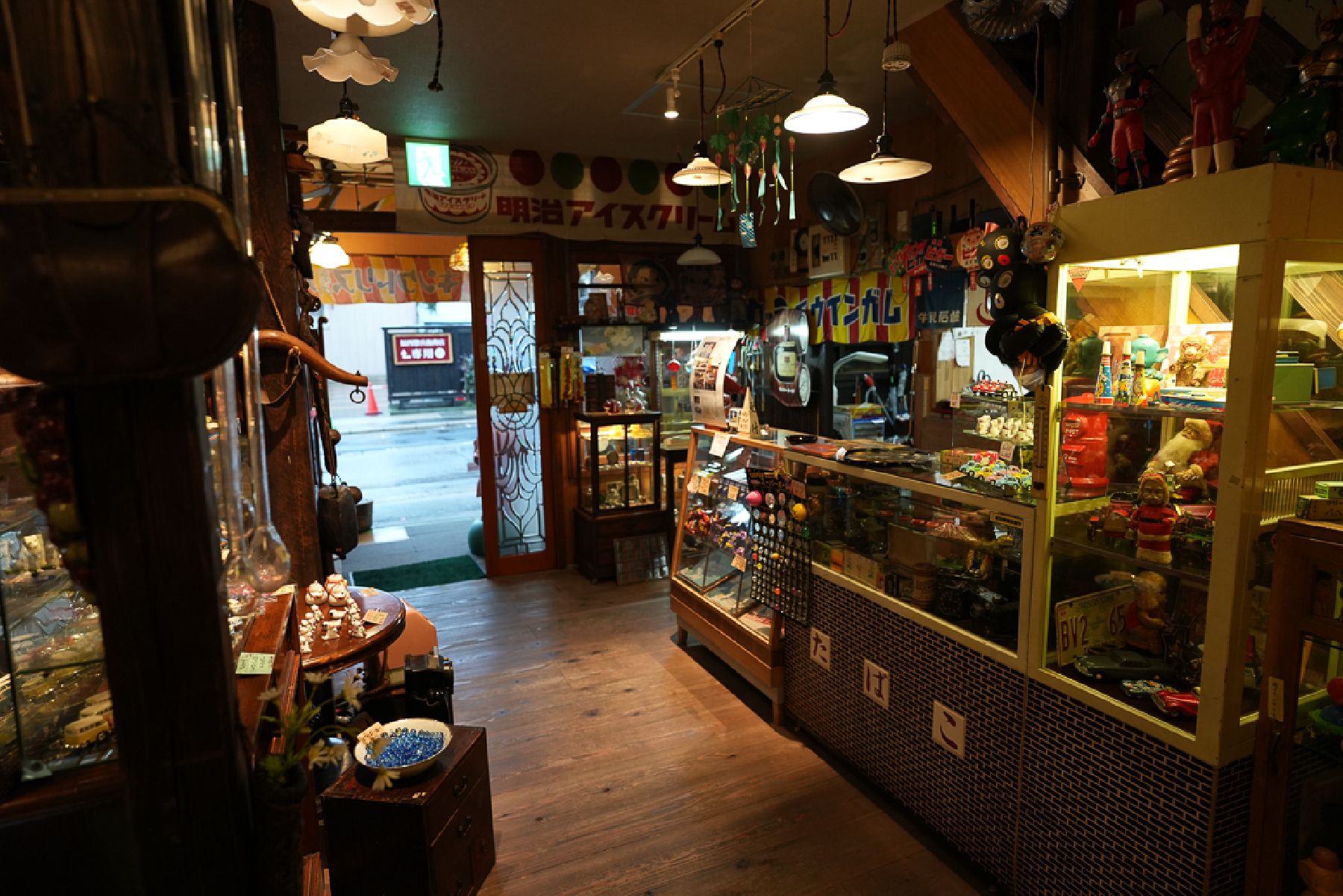
The Showa Nostalgia Museum (or 'Natsukashi-kan') is a museum in Aizu-Wakamatsu dedicated to the Showa period of Japanese history, 1926-1989. The museum features goods spanning the period and includes several rooms perfectly recreating the style that would have been common generations ago.The walls are plastered with classic movie posters and the shelves are heaving with old toys and model figurines. There is also a small shop at the front desk selling snacks and small ornaments.

The World Glassware Hall
Gourmet & Shopping

Yamatogawa Sake Brewery

Close to Kitakata station is Yamatogawa Brewery. This brewery was built in 1790 in the Edo Era, and has been producing sake ever since. The famous sake cultivated at this brewery is made using the clear, mountain water from Mt Iide.Another important component of Yamatogawa Brewery’s sake is the use of high-quality, carefully cultivated rice. This rice is grown in Yamatogawa Brewery’s own rice fields, and from the fields of selected local farming families. Next door to the brewery is the Northern Museum – where old earthen storehouses built during the Edo Era have been opened up to the public. Here you can learn about how the sake-making process has changed since the Edo period. Tours and sake tasting available for free.

The World Glassware Hall
Nature & Scenery

Shibuki-gori (Naturally-forming ice sculptures)

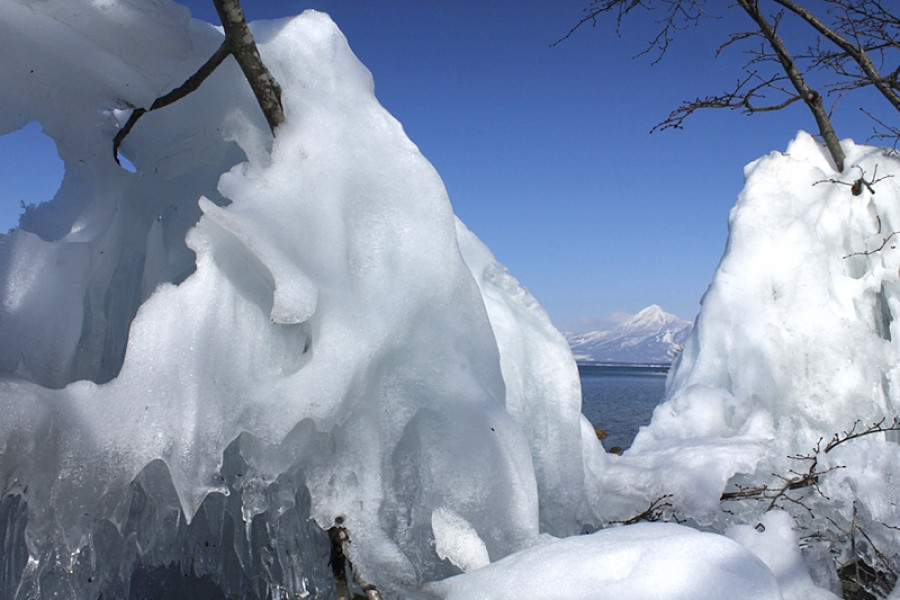
If you head to Tenjinhama beach on Lake Inawashiro in the depths of winter, through the trees at its south towards the mouth of the Nagase river, you will see the "shibuki-gori" natural ice sculptures. Lake water is picked up by strong winds from the west, and meets the trees on the coastline. There it creates a very unusual phenomenon with a beauty that rivals the "juhyo" (ice-covered trees) seen at the tops of mountains. Local peoples and visitors alike never tire of these sights. You can also see other shapes formed by ice here, such as ice drifts and the prominent "Omiwatari" cracked, rising ice on the beach and lake surface. Please note that Shibuki-gori are natural ice sculptures, and therefore their appearance and size change by the day. Please check before visiting.

You might also like

Natural Sparkling Water in Kaneyama Town
Nature & Scenery

Natural Sparkling Water in Kaneyama Town

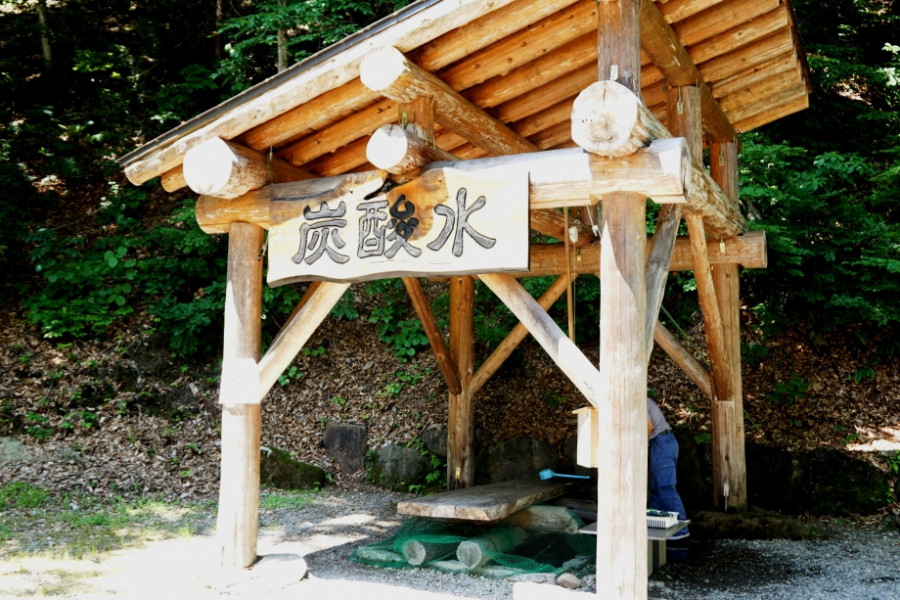
Kaneyama Town is a scenic, rural town surrounded by woods. One of the most famous things about Kaneyama Town is its well of naturally carbonated water. Such water is rarely found in Japan. Small bubbles are infused into the water, giving it a gentle and smooth taste. Locals and visitors take empty bottles to the well to fill and take back home. There is a pot at the well that can be used to collect water from the base of the well. Pulling up water from the bottom with a rope definitely makes for a fun and unique experience! Why don’t you try this natural sparkling water while enjoying the beautiful scenery in Kaneyama?

Nakatsugawa Valley
Nature & Scenery

Nakatsugawa Valley

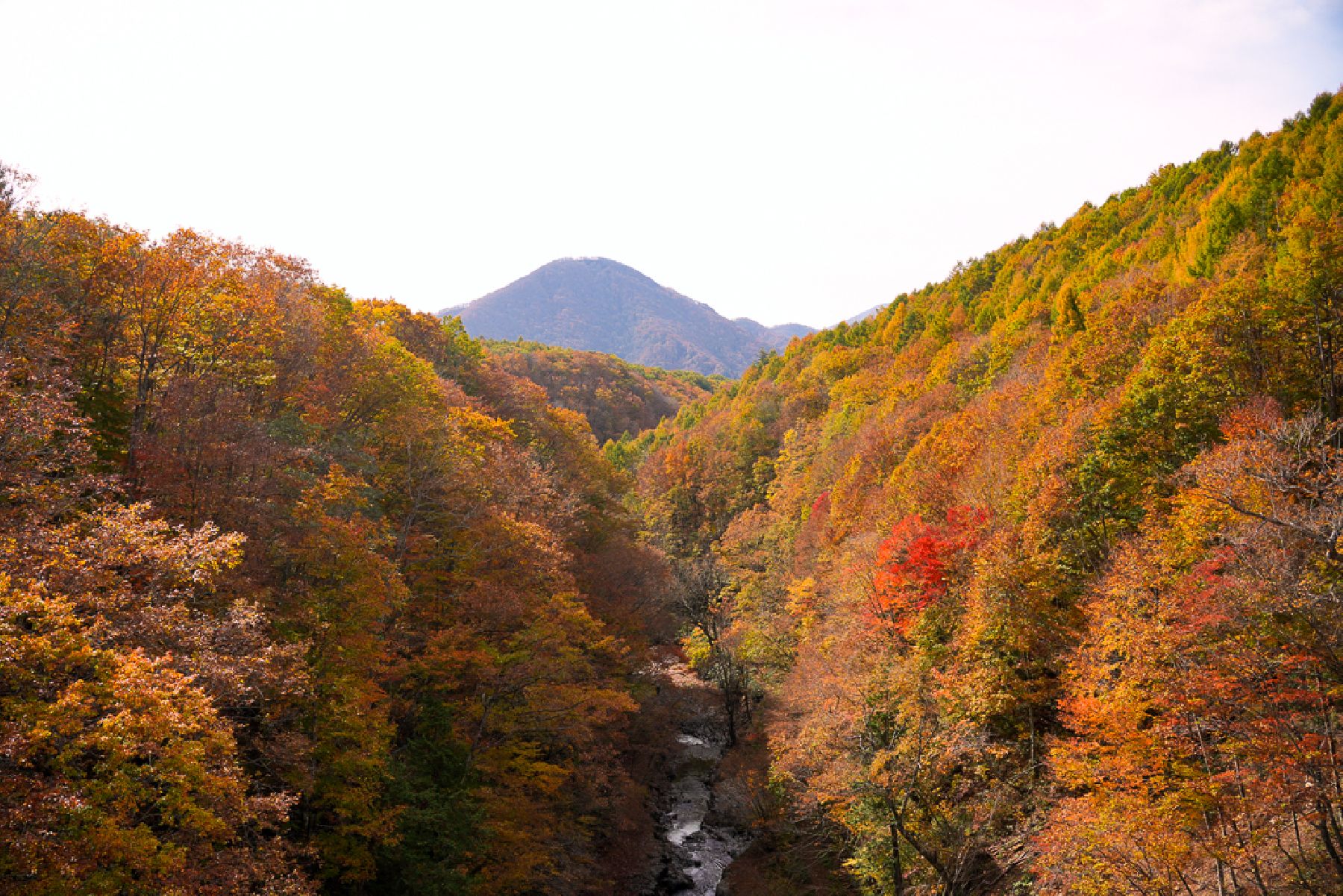
Nakatsugawa Valley is famous for its beautiful fall foliage. The Nakatsugawa River is a clear stream flowing down from Bandai Kogen (Bandai Highland) to Lake Akimoto. In autumn, the leaves of the many trees, such as maples, alders, and wild cherry trees, turn brilliant and bold colors. The valley can be reached via the lakeside cycling road or by following the trail from the Nakatsugawa Valley Rest House Lake Line Parking Area. Take a relaxing stroll along the ravine while breathing in the mountain air full of healthy negative ions.Many people park on the road closest to the bridge, but for most people it's easier to park at the Rest House and walk the short trail (less than 5 minutes) down to the bridge. There is also a shop and a canteen-style restaurant at the Rest House.

Ozegahara Marsh
Nature & Scenery

Ozegahara Marsh

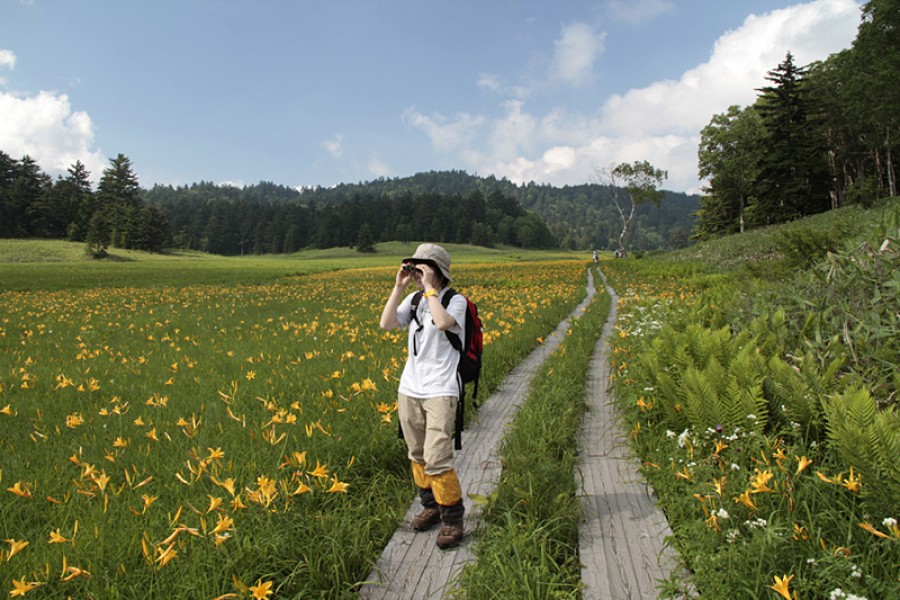
Ozegahara Marsh is a high-altitude marshland located in Oze National Park. This 8 square kilometer marshland is a popular hiking destination and is home to some rare plants, including white skunk cabbage, Nikko Kisuge, and Watasuge (a variant of cottongrass). Hiking trails at Ozegahara are well-maintained and used almost year-round for hikers, except in winter when the park is often closed due to snow. Being just 150 kilometers from Tokyo makes Ozegahara and the rest of Oze National Park a popular getaway from city life. Some people will even drive up early in the morning, hike the day away, and then return to Tokyo the same day. It’s admittedly a tough trip if you choose to do it all in one day. Instead, why not stay the night in one of the overnight lodgings and huts within the park grounds? There's also the option of staying at a minshuku (private homes that provide meals and lodging for tourists) in Hinoemata Onsen town. However you choose to travel to Ozegahara, you won’t be disappointed. The marshland has hundreds of small pools that are a beauty to admire. Two mountains, Shibutsusan and Mt. Hiuchigatake, almost seem to stand guard over those who admire the lovely marshland scenery. The most popular trail to hike is the Hatomachitoge, as it is only a one-hour walk from the western end of the marshland. Visit in late May to early June to enjoy the famous white skunk cabbages as they bloom across Ozegahara. In July and August, the marshlands are painted a gentle yellow by the Nikko Kisuge flowers. And in September and October, the autumn colors bathe the marshland in bright gold and crimson.

Top