Morohashi Museum of Modern Art

Morohashi Museum of Modern Art

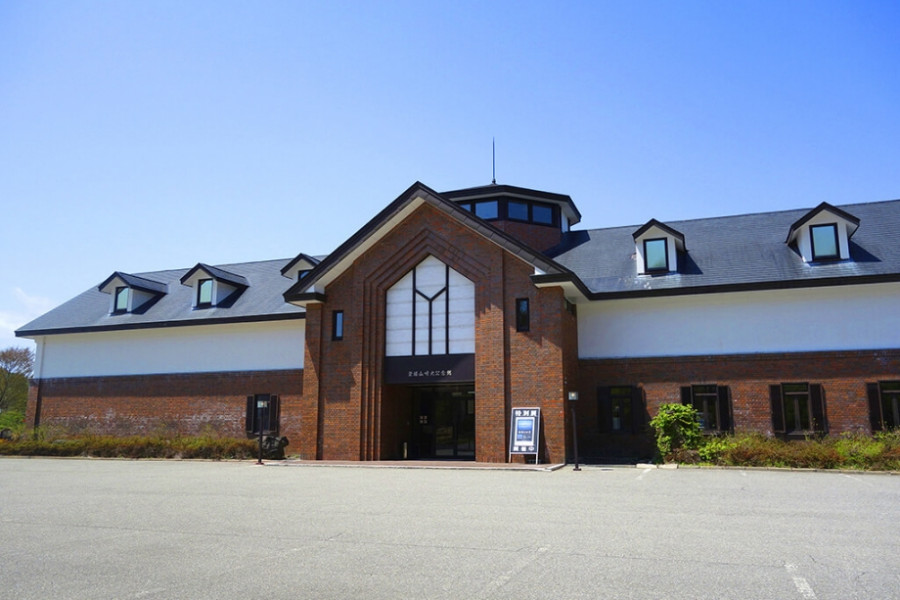
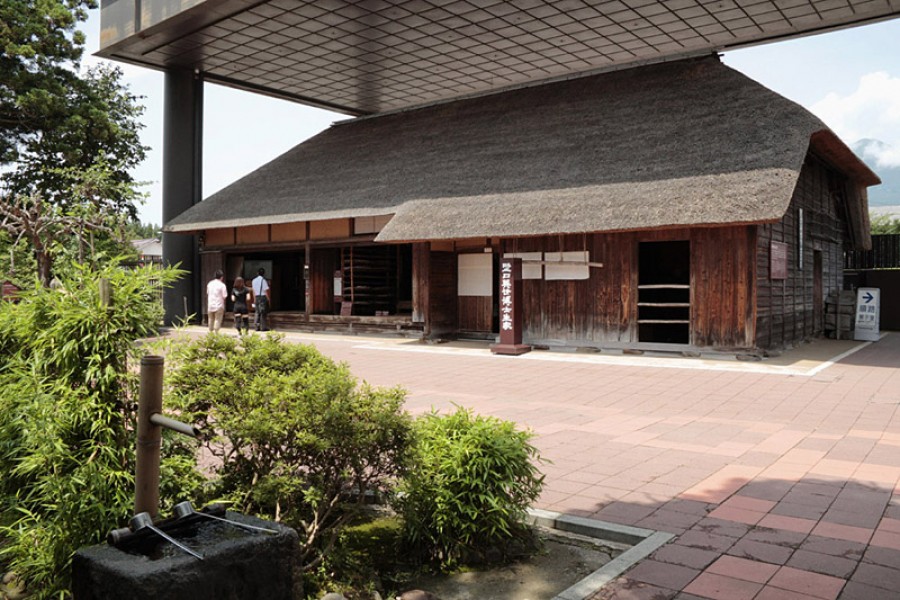
This museum, which opened in June 1999, is located a short walk from the Goshiki-numa Ponds, which is one of the most scenic spots in Fukushima Prefecture.

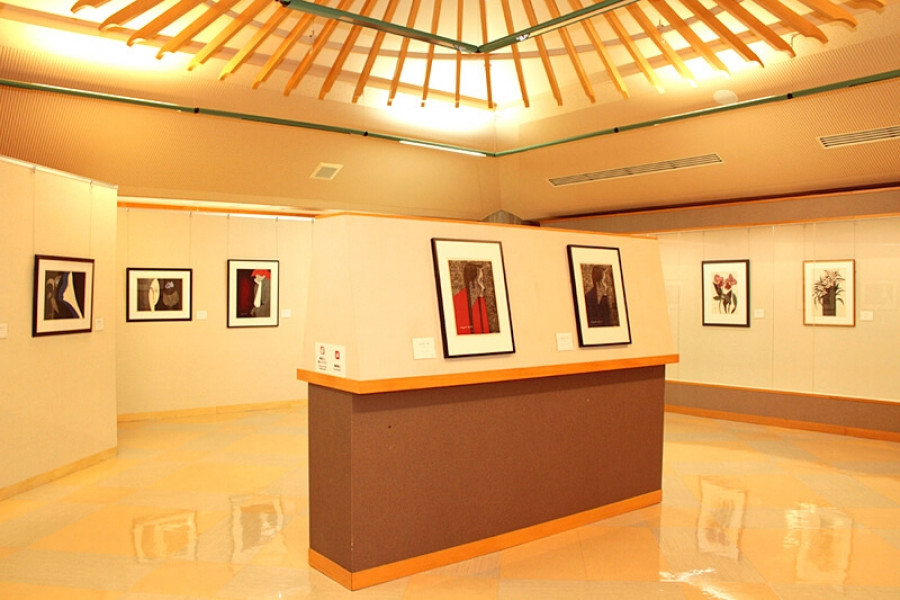
Morohashi Museum of Modert Art houses a collection of about 350 of the works of Salvador Dali, the master Spanish surrealist artist, including paintings, prints, and sculptures, as well as about 40 works by such impressionist and post-impressionist artists as Cézanne, Renoir, Chagall, Picasso, and Van Gogh. About 100 works out of this collection are on permanent exhibition, including 37 works of sculpture by Dali. The scale of this collection is unparalleled in the world and really is worth seeing.

Venue Details

Venue Details
Websitehttp://dali.jp/en/
Contact

Morohashi Museum of Modern Art

(+81) 241-37-1088

Best Season
  • Spring
  • Summer
  • Autumn
Opening Hours

9:30 AM - 5:30 PM (5:00 PM in Nov.) (Last entrance is 30 min before closing time.)

Parking200 cars
Entrance FeeAdults: 1300 yen | High school & college students: 500 yen | Free for junior high school students and younger
Accommodation details

Pets: Not allowed

Related infoExhibition period: Late Apr. to Late Nov.
(The museum is closed from late Nov. to mid-Apr.)
Make sure to check the website for up-to-date information about the exhibition period and any museum closures.
Access Details
Access1093 Kengamine, Hibara, Kitashiobara Village, Fukushima Pref. 969-2701
View directions
Getting there

By Car: 20 min drive from Inawashiro-Bandai Kogen I.C. exit off the Ban-etsu Expressway

By Train: Take the JR Ban-etsu West Line to Inawashiro Station. From there, take the Bandai Toto Bus bound for Urabandai Kogen-eki, and get off at Morohashi Museum of Modern Art. The bus takes 25 min to reach the museum.

Nearby

The World Glassware Hall
Nature & Scenery

Urabandai Highlands

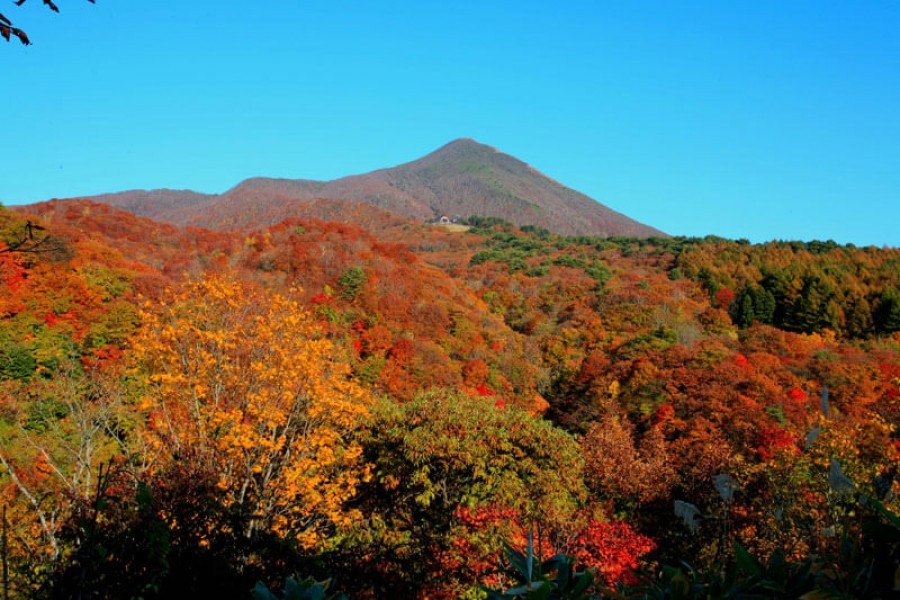
The Urabandai highlands of northern Fukushima Prefecture, are situated at an altitude of 800 meters and surrounded by Mt. Bandai, Mt. Adatara, and Mt. Azuma. The highlands were created by Mt. Bandai erupting in 1888. Urabandai is part of Bandai Asahi National Park and offers a variety of seasonal attractions. Cool weather in summer and deep snow in winter make Urabandai a perfect place for both indoor and outdoor enjoyment. About 300 lakes and ponds, including the Goshiki-numa Ponds and Lake Hibara, are scattered across Urabandai. The harmonious beauty of nature created by the abundant woodlands and lakes will certainly touch the hearts of all visitors.

The World Glassware Hall
Gourmet & Shopping

Ishiharaya Restaurant

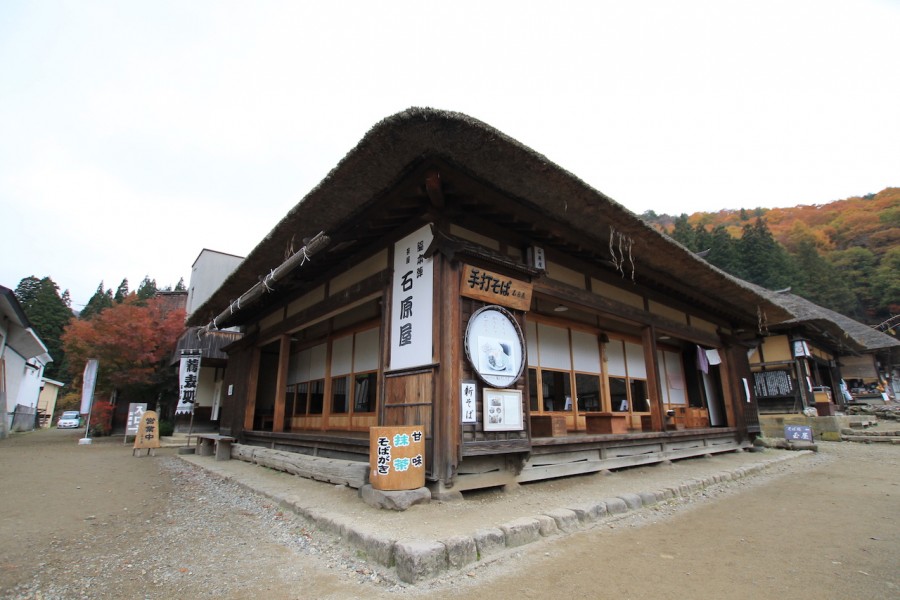
A lovely restaurant where you can savor the flavors of handmade soba and coffee. This restaurant is commited to serving delicious, seasonal food. In summer, the noodles are made thinner. In winter, they’re made a bit thicker. You’ll be able to relish the stone-ground, handmade noodles. Their most popular topping for soba is their large umeboshi (sour pickled plums) from the Kishu Domain, which can be enjoyed as part of Ishiharaya's Grated Plum Soba dish.

The World Glassware Hall
Nature & Scenery

Bandaisan Gold Line

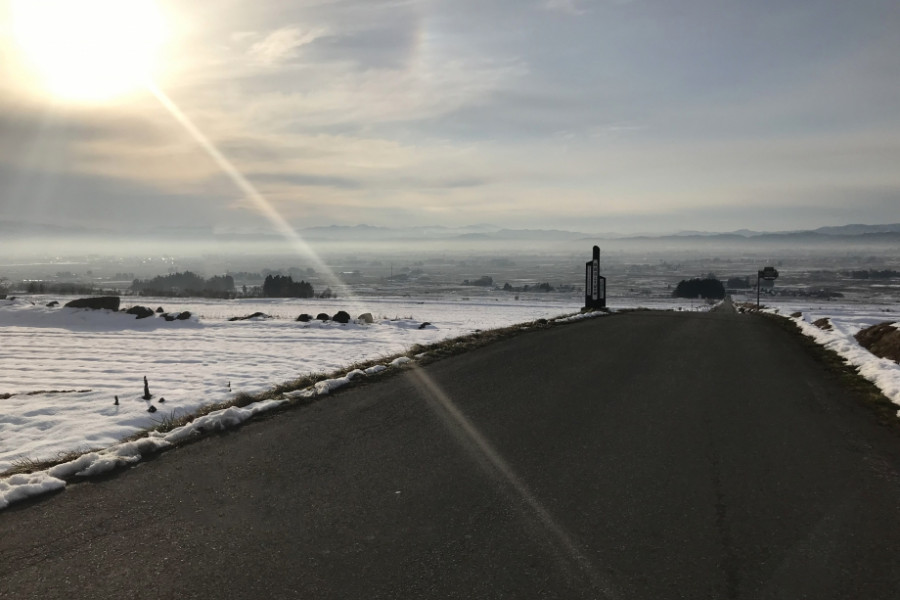
The Bandaisan Gold Line road connects Bandai Kogen, a highland rich with lakes diverse in shapes and size, and various alpine plants, and the Aizu area, which has an immensely rich and fascinating history. This submontane sightseeing road offers diverse views of Mt. Bandai (known in Japanese as 'Bandai-san') and can lead visitors to either the mountain's rugged caldera or to the picturesque Lake Inawashiro. Visitors can discover new hidden gems every time they explore the Gold Line by car, making it a very popular spot to return to among tourists and locals. The area surrounding the road is known as a foliage-viewing spot with hairpin curves that carve through the woodlands. On the walking trail that leads to Baya-ike, a "phantom" waterfall, visitors can take in the beauty of the landscape as they hike. The most highly recommended walking course extends from Happodai to the Oguninuma wetlands, where in late June, visitors are greeted by ban array of beautiful, broad dwarf day-lilies.

You might also like

Mt. Bandai Eruption Memorial Museum
Museums & Galleries

Mt. Bandai Eruption Memorial Museum

This museum introduces the eruption of Mt. Bandai, and uses large sized models and "body sonic" facilities to give a simulated experience of the eruption in 1888 of Mt. Bandai. The plants and animals that live around Mt. Bandai are introduced using a diorama, and nature observation meetings are held several times a year. This museum has wheelchair access and bathroom facilities.The museum is across the road from Mt. Bandai 3D World, and a combined entrance ticket is available for the two facilities.

Hideyo Noguchi Memorial Museum
Museums & Galleries

Hideyo Noguchi Memorial Museum

Most people probably don’t know who Hideyo Noguchi (1876-1928) is by name but just look at a 1,000-yen note and you’ll know his face. A renowned bacteriologist, Noguchi made great advances in the research of a vaccine for yellow fever. He’s also credited with the discovery of the agent which causes syphilis.This memorial museum was established to honor the Nobel-nominated bacteriologist, and to introduce his life achievements. The house where Noguchi was born stands within the museum grounds. Visitors to the house can see the fireplace where he fell as a child, leading to him seriously burning his left hand. The alcove post of the house has carved into it the words of resolution Noguchi made before he went to Tokyo.The exhibition room contains many resources that introduce Noguchi's life and accomplishments, including his favorite articles, letters, and photographs. In Noguchi's laboratory, which was recreated for the memorial museum, visitors can interact with a robot designed in the image of Noguchi. The robot answers questions from visitors and gives them encouraging messages.Though the house retains its Meiji Period charm, the hall and facilities were renovated in April 2015, during which time the experience-based corner was added. Here, guests can learn about bacteriology through videos and interactive games.Aizu-Ichiban Café, a café which renovated from the clinic where Hideo Noguchi received treatment for the burns he suffered to his left hand, is located nearby. Once named Kaihiyo Clinic, this is where he spent much of his youth and acquired his motivation to study and ambition to help others. There are also a number of his belongings on display, making it an interesting place to visit after a trip to the museum.
Oku-Aizu Hydropower Museum 'Miori'
Museums & Galleries

Oku-Aizu Hydropower Museum 'Miori'

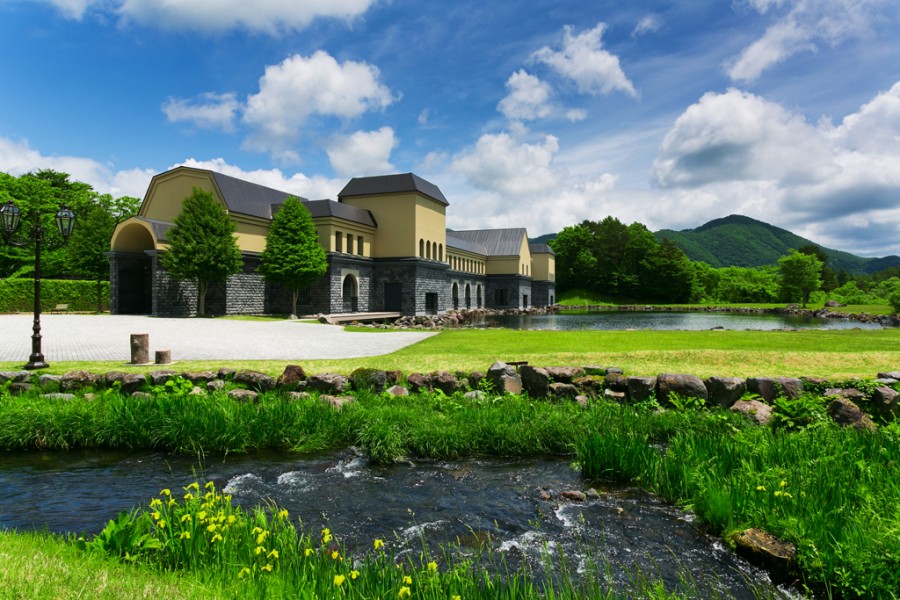
Oku-Aizu Hydraulic Plaza “Miori” is a free public facility in Kaneyama Town that introduces the role of hydroelectric power in the Oku-Aizu region. It was opened in 2020 and is operated by Tohoku Electric Power Company. The center focuses on how the area’s rivers have been used to generate electricity and support everyday life in the region.Inside, visitors can learn about hydroelectric power through easy-to-understand exhibits that use videos, projection mapping, models, and interactive displays. These explain how electricity is made from water, the structure of dams and power stations, and why renewable energy is important for the future. The displays are designed so that both adults and children can enjoy them.The facility also introduces the history and culture of Oku-Aizu, showing how local communities developed alongside river and power station projects. There are exhibits about daily life in the region, traditional crafts, and the people who supported the area’s development over time, helping visitors understand the connection between energy and local life.The name “Miori” refers to a “water path,” symbolizing the rivers that flow through Oku-Aizu. The building is located next to a roadside station and is within walking distance of the nearest train station, making it an easy stop for travelers exploring the Tadami Line area.If visiting the Oku-Aizu region, Miori combines well with a visit to the Mishima Town Local Crafts Museum and the Tadami River No.1 Bridge.The museum is also located next to the Kaneyama michi no eki or roadside station, which offers local produce, souvenirs and a restaurant.

Top