Koshidai no Sakura (The Koshidai Cherry Tree)

Koshidai no Sakura (The Koshidai Cherry Tree)

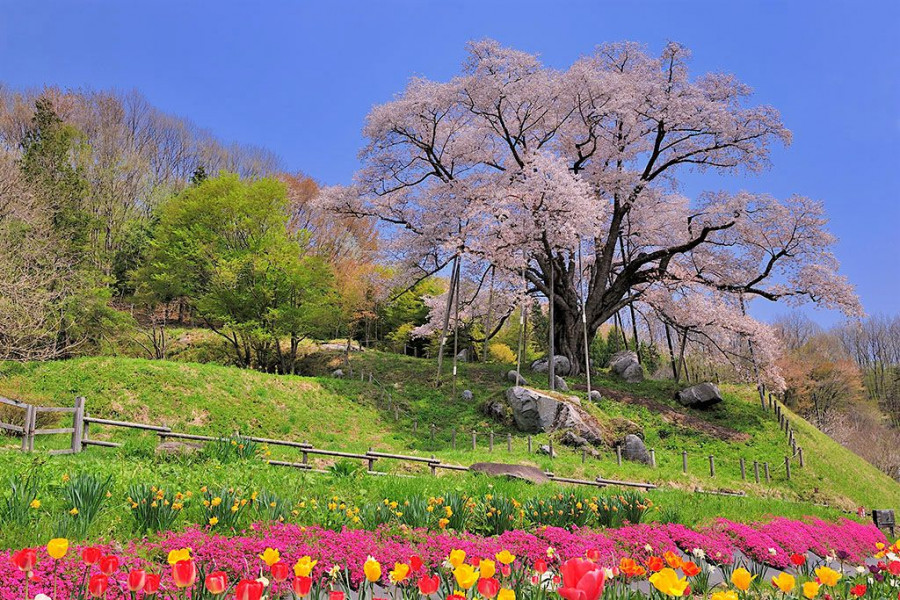
This huge Japanese cherry tree is over 400 years old and has been designated as a national Natural Treasure. The tree has a trunk circumference of about 7.2 meters and stands 20 meters high, and was thus selected as one of the "100 Giants of the Forest" by Japan's Forestry Agency. Koshidai Cherry Blossom Festival is held every year on May 3. A Yabusame horseback archery event accompanied by taiko drumming takes place during this festival, and local organizations set up food stalls.

Photo tip: Try taking photos from the south side of cherry blossoms.

Venue Details

Venue Details
Websitehttps://www.town.furudono.fukushima.jp/kanko-dentou-bunka/see/keikan/furudonosakura/190(Automated translation available)
Contact

Furudonomachi Industrial Promotion Department

(+81) 247-53-4620

Best Season
  • Spring
ParkingAvailable
Entrance FeeFree
Related infoBest viewing period: From late April to early May

Access Details
AccessKoshidai, Oguta, Furudono Town, Ishikawa District, Fukushima Pref. 963-8303
View directions
Getting there

By Car: 50 min drive from the Iwaki-Yumoto I.C. exit off the Joban Expressway

Nearby

The World Glassware Hall
Nature & Scenery

Jorakuen

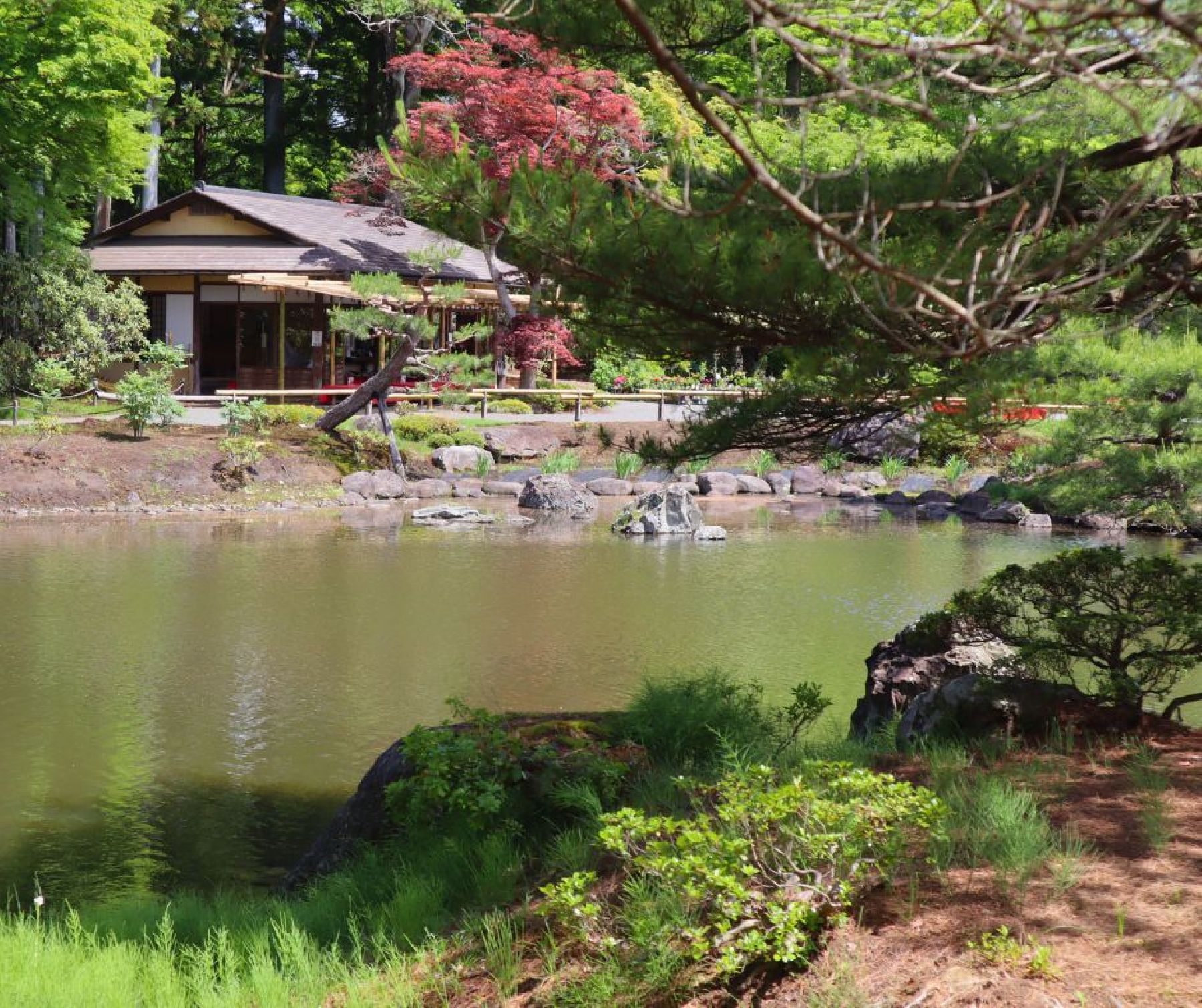
Jorakuen (浄楽園) is a traditional Japanese garden located in Fukushima City. It was completed by an expert gardener who worked on the famous Kinkaku-ji Temple in Kyoto, and it has a total area of about 25,000 square meters (over 269,000 square feet).The garden can be enjoyed in spring, summer and autumn. Spring brings about delicate cherry blossoms, irises, and rhododendrons; water lilies and lotus flowers adorn the ponds during the summer; and brightly colored trees decorate the park in autumn.  No matter the season, the backdrop of the Azuma mountains makes for a spectacular sight at Jorakuen.There is a souvenir shop and traditional teahouse at the garden where visitors can enjoy matcha and Japanese sweets (‘wagashi’). The park remains closed during the winter season, from December 1st to March 31st.
The World Glassware Hall
Nature & Scenery

Kaiseizan Park

Koriyama’s Kaiseizan Park is a wide realm in the city. Home to around 1300 cherry trees, it is one of the prefecture’s most prominent cherry blossom spots. The impressive trees are lit up in the evening during cherry blossom season, making for fantastic views. The park has a baseball field, an athletics field, and an event venue. Additionally, it is home to one of Fukushima's Chansey's Lucky Parks, making it a popular destination among Pokémon fans. Located nearby is the Kaiseizan Daijingu Shrine.There is also a 3,000-square-meter rose garden that blooms in spring (typically from mid-May to late June) and in the fall (usually from mid-September to late October). Exact blooming dates vary each year.No matter the season, there is something to enjoy at Kaiseizan Park year-round.

The World Glassware Hall
Nature & Scenery

Mt. Shinobu (Shinobuyama)

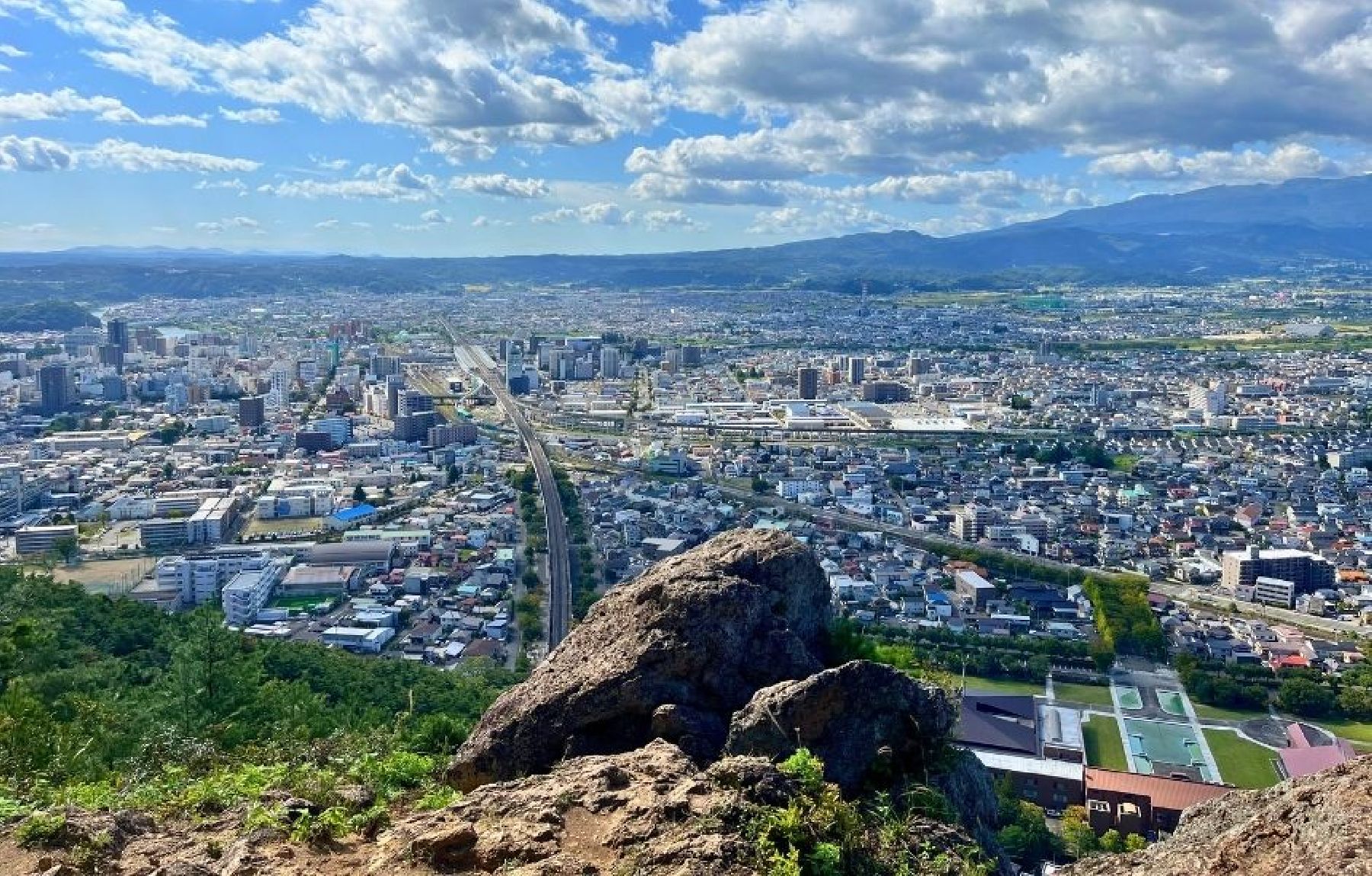
Mt. Shinobu, with a total altitude of 275 meters, is one of the most recognisable landmarks of Fukushima City. It is estimated that it formed about 500,000 years ago when the Fukushima basin caved in and Mt. Shinobu became an isolated hill, which later became the object of multiple local poems, stories, and legends.Visitors can hike up Mt. Shinobu for unobstructed views of the cityscape. Hikers of all levels can try climbing Mt. Shinobu, as its peak can be reached in a few hours and many parts of it can be reached by car.Each year in April, there is a spring festival with cherry blossom night illuminations that attract hordes of visitors. Summer and autumn are also great times to follow the hiking routes on Mt. Shinobu.A spiritual power spot for locals, Haguro Shrine can be found at the top of the central peak, where there is also a giant straw sandal that weighs about 2 tons and is 12 meters in length and is believed to be among the biggest in Japan. The sandal is paraded along Fukushima City each year in August during the Waraji Festival. Also in Mt. Shinobu, you can find the Shinobuyama Neko Inari Jinja (‘cat shrine’), and the Gokoku Shrine, along with several parks.For stunning views of the city, including the Shinkansen bullet train tracks, head to the Karasugasaki Observation Deck on the western side. Located nearby are the Fukushima Prefectural Museum of Art and the Fukushima Prefectural Library.

You might also like

Doaidate Park
Nature & Scenery

Doaidate Park

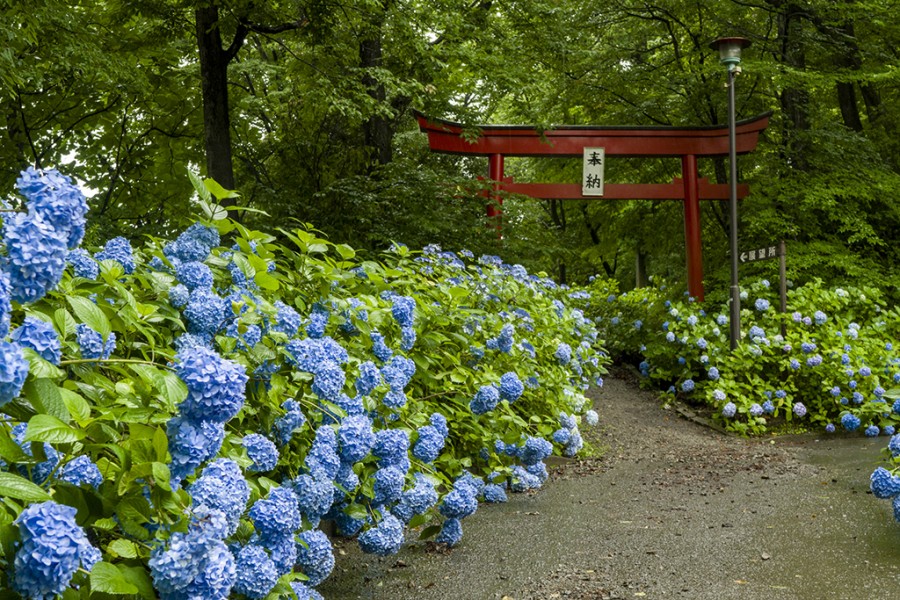
Approximately 5,000 colorful hydrangeas bloom here every summer. Nicknamed by locals as 'Hydrangea Alley', this is a great place for relaxing or taking photos. Doaidate Park routinely makes lists of best places to see hydrangeas in Tohoku every year thanks to its sheer number of bushes and tranquil atmosphere.There is also a play park for children and an old shrine within the park grounds, while the west side of the park offers excellent views over Mt. Adatara.Parking is available for roughly 40-50 cars by the slope leading to the park entrance.In an average year, the best time to see hydrangeas fully in bloom is between the end of June and beginning of July.

Irimizu Limestone Cave (Irimizu Shonyudo)
Nature & Scenery

Irimizu Limestone Cave (Irimizu Shonyudo)

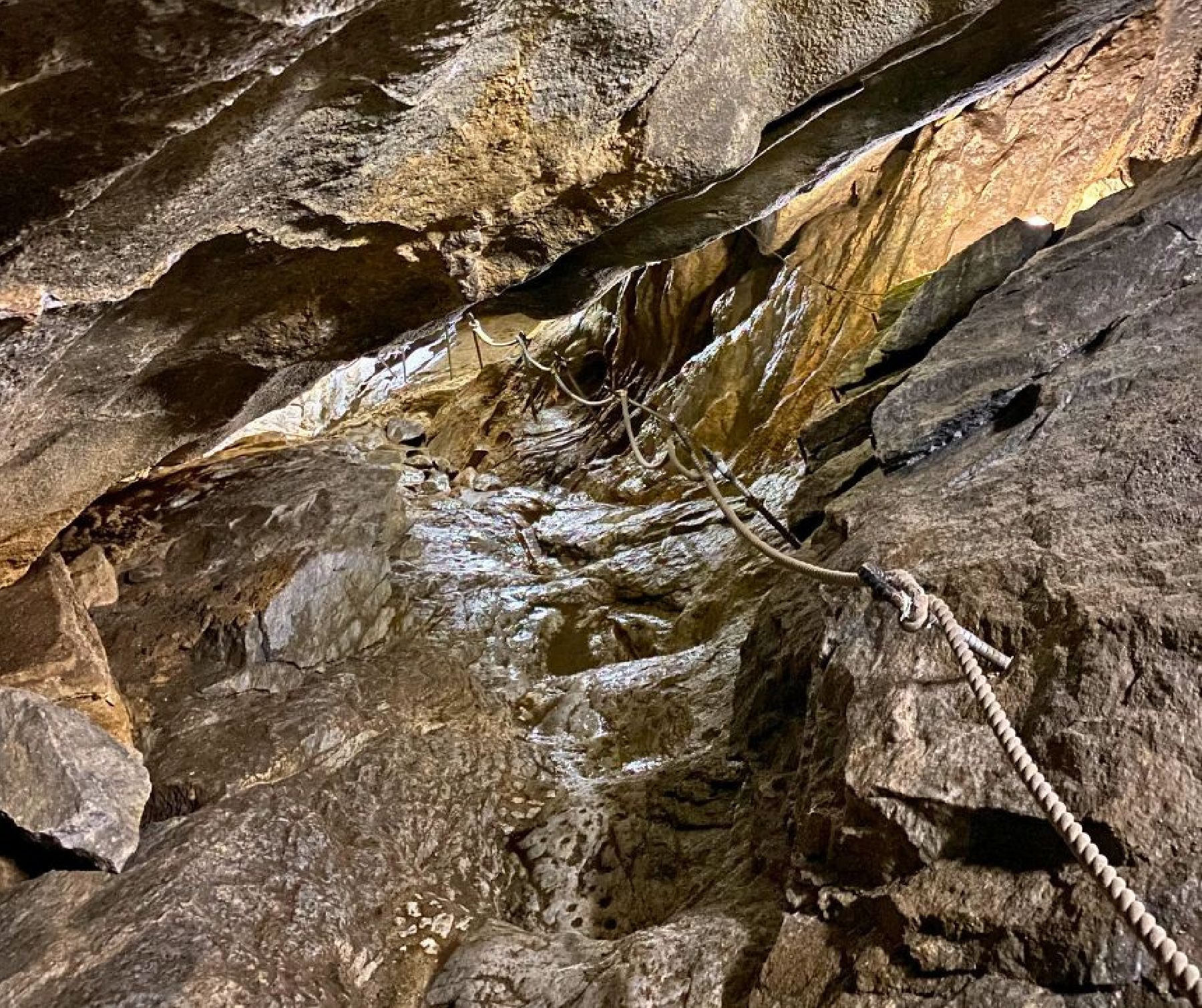
Visitors looking for a cool and adventurous experience should consider visiting the Irimizu Limestone Cave (入水鍾乳洞) in Tamura City.Perhaps less known than the nearby Abukuma Cave, the Irimizu Limestone Cave offers visitors the opportunity to venture into its depths—the narrow cave is 900 m in total and is divided into three courses (A, B and C), each more extreme than the previous one.Visitors should bring adequate clothing and shoes, as the inside of the cave is wet and slippery with irregular rocky ground and gushing streams.Course A is the least extreme, and the way into the cave is lit, although there are puddles and wet spots, and you will need to duck in some places since there are short and narrow spots. Course A is 150 m long and takes approx. 30 minutes to complete.Courses B and C go through an area of the cave where there is less conditioning. Visitors have to walk while having water up to their knees and go through slippery and narrow gaps by candlelight or flashlight.Course B is 450 m and takes about 60 minutes to complete, while course C is 300 m and takes about 90 m to complete. Visitors hoping to undertake course C, the most difficult of the three, have to make a reservation before their visit, as the course can only be completed alongside an experienced guide. *Course C is not available and is not taking reservations as of May 2023.The temperature inside the cave is typically between 10 and 15 degrees regardless of the season.There are candles, rubber shoes, flashlights and other items available for renting at the entrance.Prices are as of March 2023.The cave has been designated as a National Natural Treasure, and it’s easy to see why. You’re bound to become a geology enthusiast after experiencing the charms of the cave.

Koriyama Nunobiki Kaze-no-Kogen (Koriyama Nunobiki Wind Farm)
Nature & Scenery

Koriyama Nunobiki Kaze-no-Kogen (Koriyama Nunobiki Wind Farm)

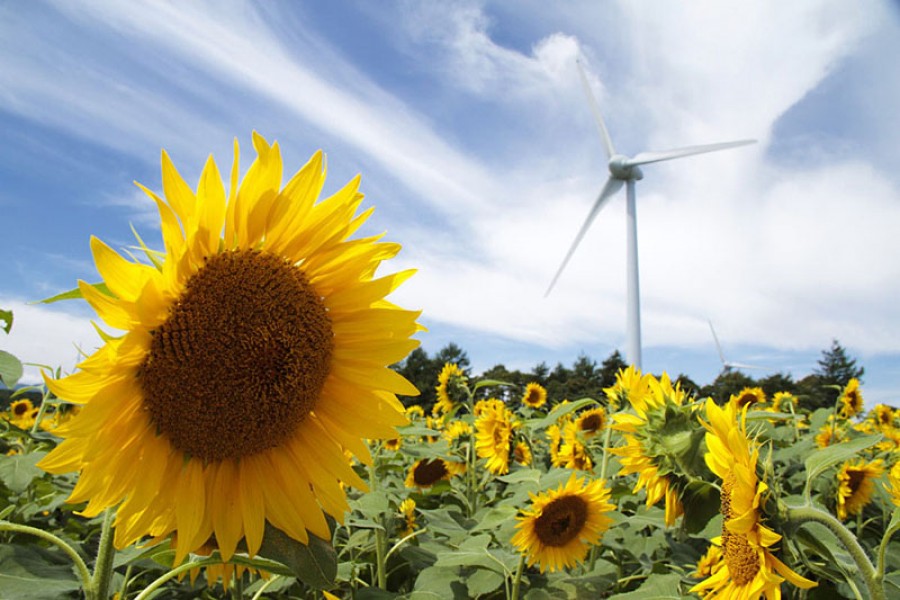
These windy highlands are located at the plateau summit of Mt. Aizu-Nunobiki. It’s location to the south of Lake Inawashiro provides ample breeze to power the 33 windmills that stand majestically atop the highland plateau. Nunobiki Kogen Wind Farm is one of Japan's largest wind farms. It's location at an altitude of about 1,000 meters, makes for a truly fantastic view of the surrounding scenery.From early August to early September, visitors can enjoy amazing vistas of the beautiful himawari batake (sunflower fields). The sunflowers here are planted at 3 different intervals, meaning that visitors can enjoy seeing them throughout the summer months.Sunflowers aren’t all that Koriyama Nunobiki Kaze-no-Kogen has to offer flower lovers:  - from August to September - you can see cosmos blooming. Of course, visitors are always greeted with superb views of Lake Inawashiro and Mt. Bandai.There are walking courses along the plateau, so visitors can explore the area and snap some great photos. One really amazing photo spot can be found at the observatory. Depending on the timing of your visit, you might be able to purchase some local vegetables at temporary stalls. We recommend trying the region’s famous Nunobiki Plateau daikon radish.   

Top