Kasumigajo Castle Park (Nihonmatsu Castle)

Kasumigajo Castle Park (Nihonmatsu Castle)

Nihonmatsu Castle was built in 1643 by Mitsushige Niwa, the first feudal lord of the Nihonmatsu Domain. This domain had command over a territory producing 100,000 koku of rice (one koku being the amount of rice needed to feed one man for a year) and Nihonmatsu Castle was one of the strategic points used by the Tokugawa Shogunate forces. The castle fell in Boshin War after a fierce battle, precipitating the tragedy of the Nihonmatsu Youth Corps.

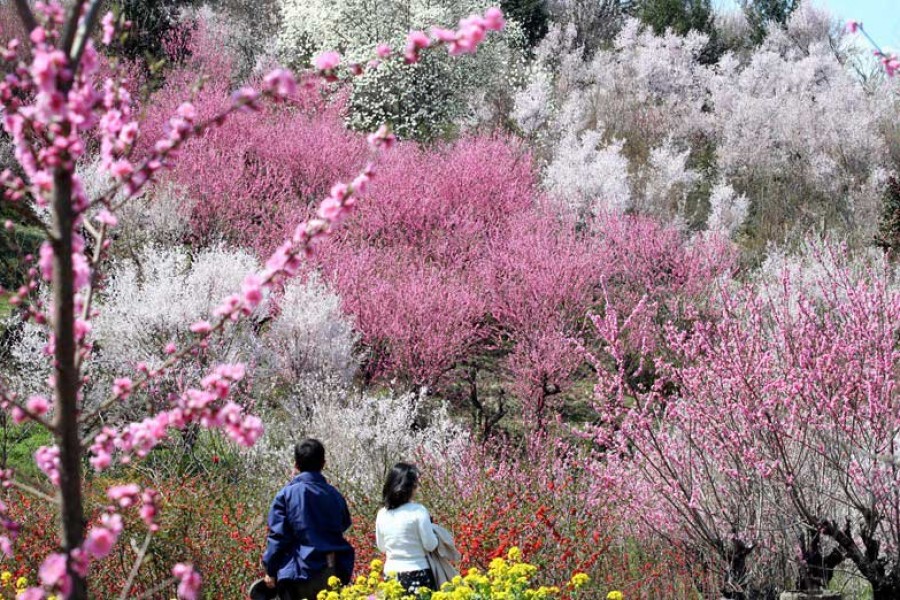
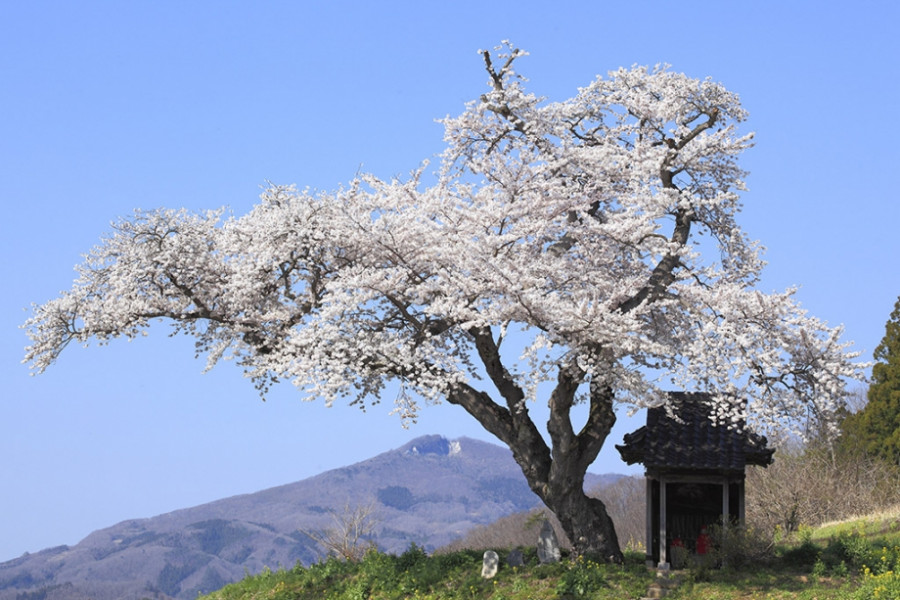
Today, the castle ruins have been turned into a prefectural natural park, with the stone walls being the only structures remaining from the old days. The seasonal beauty of the landscape with the restored castle and the surrounding natural environment is a soothing experience for visitors, particularly in the spring when the 1,700 cherry trees in the park are in full bloom, making it seem as if the castle is surrounded by haze of blossoms. This is why Nihonmatsu Castle is also referred to as "Kasumigajo" (meaning "castle in the mist").

In autumn, the park is crowded with visitors to Japan's largest chrysanthemum doll festival.

Venue Details

Venue Details
Websitehttps://www.city.nihonmatsu.lg.jp/page/page002702.html
Contact

Nihonmatsu Tourism Federation

(+81) 243-55-5122

Best SeasonAll Year
Opening Hours

Open all year round.

ParkingAvailable (Space for 500 vehicles)
Accommodation details

Pets: Allowed

Related infoBest time to see cherry blossoms: Mid April
It is free to enter the Castle Park for most of the year, but <strong>there is an entrance fee during the Chrysanthemum Doll Festival every autumn.</strong>
Access Details
Access232 3-Choume, Kakunai, Nihonmatsu City, Fukushima Pref. 964-0904
View directions
Getting there

By Car: 5 min from Nihonmatsu I.C. exit off the Tohoku Expressway

By Train: 20 min walk from Nihonmatsu Station on the JR Tohoku Main Line

Related information

Nihonmatsu Chrysanthemum Doll Festival

Related trips

Nearby

The World Glassware Hall
Gourmet & Shopping

Kura Café Sen no Hana

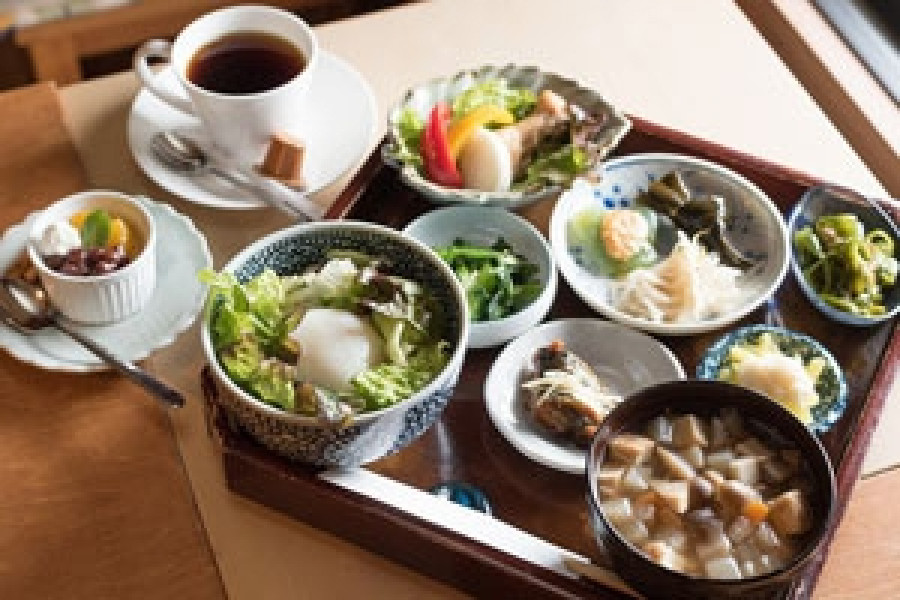
The Kura Café Sen no Hana is located on the grounds on Kunitaya Miso Factory in a remodeled kura (storehouse). Try the local flavors of Fukushima cuisine with their lovely lunch items featuring locally Nihonmatsu-produced miso and soy sauce. There are also many other menu items to appreciate, such as amazake, Mongolian-style tea, and coffee. The inside of the shop is also calming and decorated with local pressed flowers.Open from 11:00 a.m. to 6:00 p.m. (with a break from 2:00 to 3:00 p.m.), the Kura Café Sen no Hana is sure to give your taste buds a treat. Their fair prices and delicious cuisine make them popular with locals and visitors alike.The amazake, a nonalcoholic drink made from koji, or fermentation starter, is popular with guests. As for food, the zaku zaku soup is a traditional soup of chunky cubed vegetables which is eaten on special occasions like festivals and ceremonies, it is a famous Nihonmatsu specialty. But if you’re wanting to go for dinner, make sure you’re there before the last order at 5:30 p.m. (4:30 p.m. on Sundays). Next door to the Kura Cafe Sen no Hana, guests can also visit the Kunitaya Miso Factory. The redwood lattice of the exterior is especially attractive. In addition to the tours, the Factory also sells miso, soy sauce, and koji, which is used to make Fukushima’s famous 'sagohachi' pickles.All the products for sale are made at the Kunitaya Miso Factory and use pure water from Mt. Adatara and locally grown ingredients. It’s a great way to get the fresh flavors of Fukushima Prefecture. There are also seasonal products available, so be sure to have a look!
The World Glassware Hall
Nature & Scenery

Doaidate Park

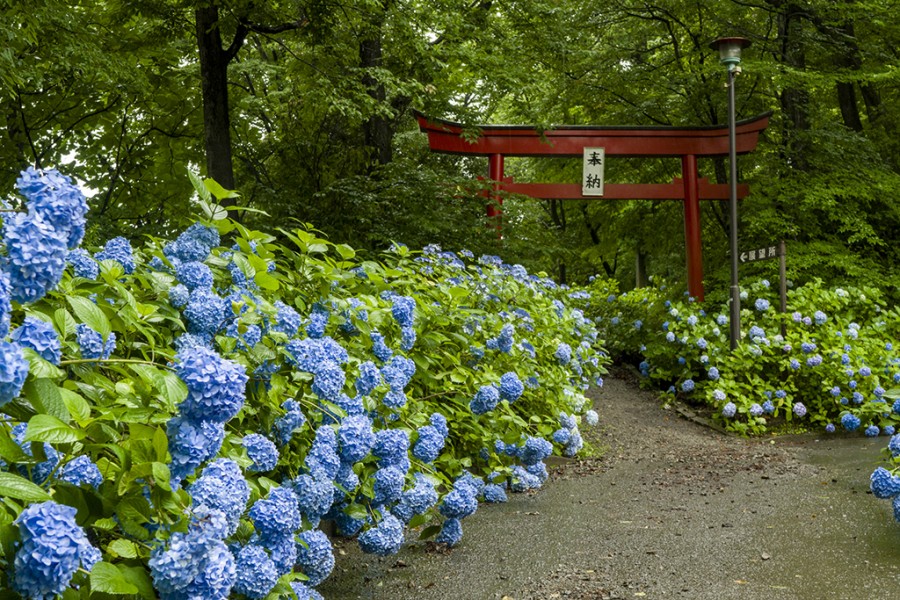
Approximately 5,000 colorful hydrangeas bloom here every summer. Nicknamed by locals as 'Hydrangea Alley', this is a great place for relaxing or taking photos. Doaidate Park routinely makes lists of best places to see hydrangeas in Tohoku every year thanks to its sheer number of bushes and tranquil atmosphere.There is also a play park for children and an old shrine within the park grounds, while the west side of the park offers excellent views over Mt. Adatara.Parking is available for roughly 40-50 cars by the slope leading to the park entrance.In an average year, the best time to see hydrangeas fully in bloom is between the end of June and beginning of July.

The World Glassware Hall
Nature & Scenery

Fujita River Cherry Blossoms

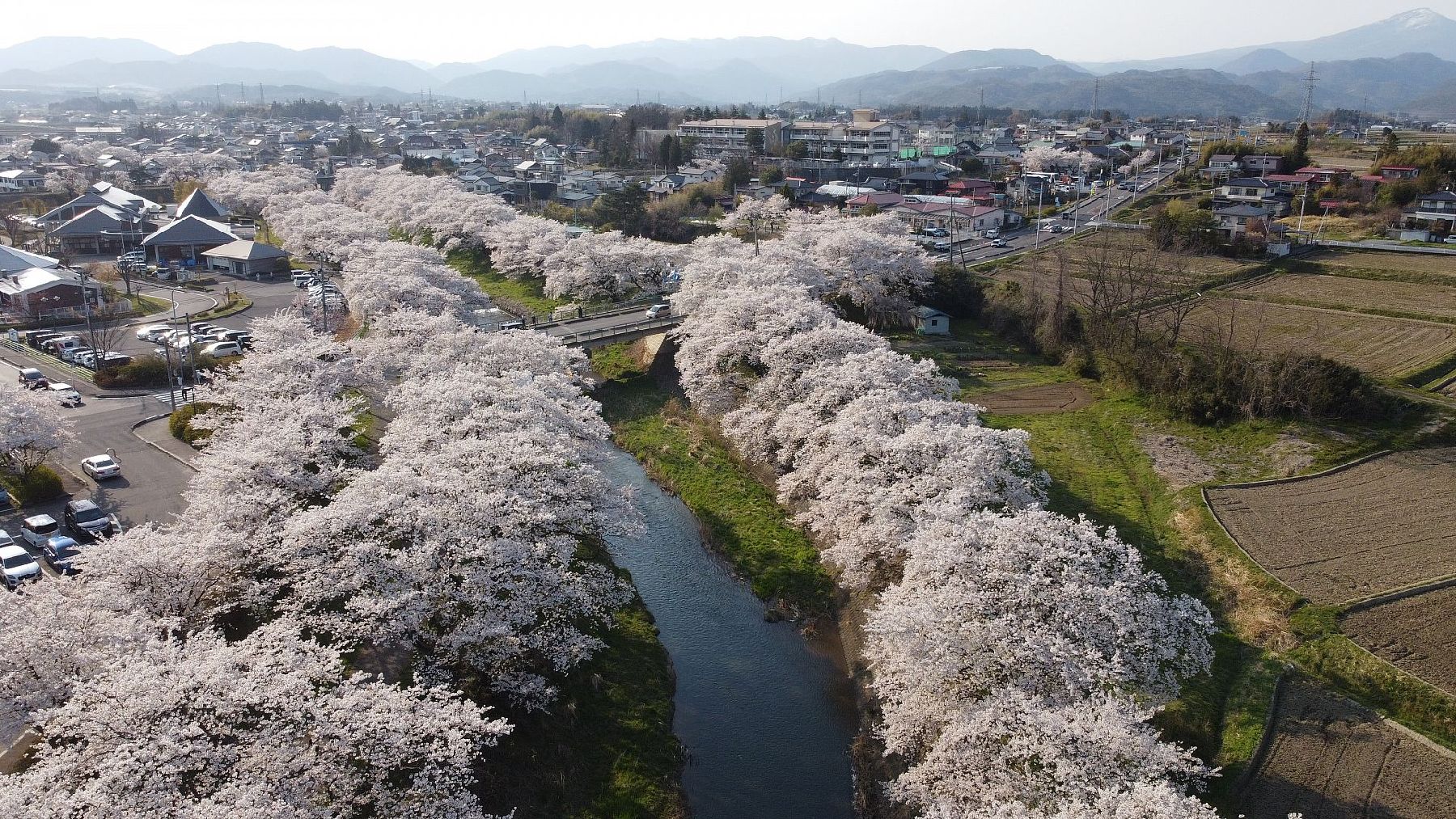
Somei Yoshino cherry blossom trees bloom along both sides of the Fujita River for three kilometers, centering around Horinouchi Bridge near Kikuta Station. The long stretch of leafy foliage features several banks suitable for picnics under the cherry blossoms, which bloom typically in mid-April. (For reference: though blooming periods can change year-to-year, the 2025 blossoms were at full bloom around 15th April.)The riverside is served by nearby Kikuta Station on the Ban-Etsu Line, or there are large car parks near the river walk.

You might also like

Fukushima Agricultural Technology Centre
History & Culture

Fukushima Agricultural Technology Centre

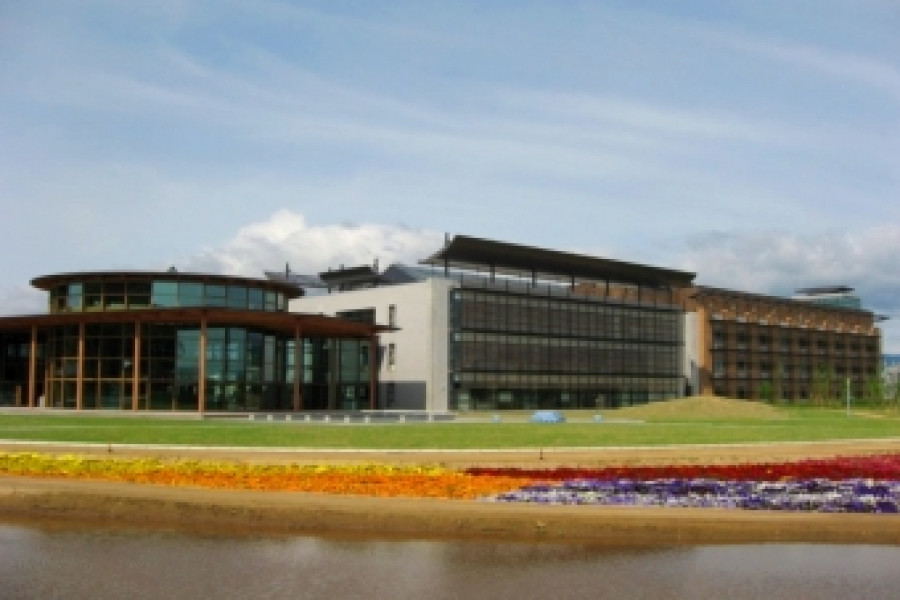
A foothold for the promotion of farming in Fukushima Prefecture - the size of 12 Tokyo Domes!Fukushima Agricultural Technology Centre is a new foothold for the promotion of agricultural in Fukushima Prefecture. It serves as a hub for the spread of technological development and safe agricultural practices, as well as being an important facility for agricultural education.The Centre has strengthened a system of experimentation and research in order to provide technical support to local farmers, and is spreading awareness of the importance of agriculture and of making use of open facilities (such as the Centre's Exchange Building and farming exhibitions) among local consumers and children. The facilities include the Management & Research Building, the Experiment Building, the Exhibition Greenhouse, and the Exchange Building, which is constructed from lumber grown locally in Fukushima Prefecture. From the observation deck, you can take in an expansive view of the entire facility.

Takashiba Dekoyashiki (Takashiba Craft Village)
History & Culture

Takashiba Dekoyashiki (Takashiba Craft Village)

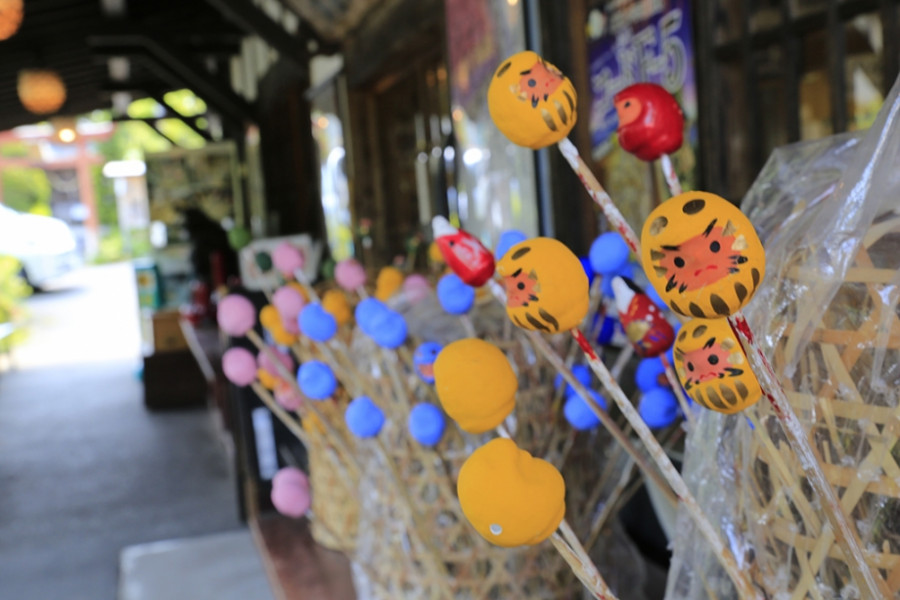
A traditional craftsmen's village bestowing an air of the olde-worlde. The papier-mâché crafts of the town, made lovingly by hand for generations, will bring a smile to your face. Takashiba Dekoyashiki is an historical craftsmen's village, and was at one time under the protection of the Miharu feudal domain. Dating back 300 years to the Edo Period, this community is said to have been born when a traveller from Kyoto taught the people how to craft papier-mâché dolls using a special paint called 'nikawa'. Take a walk through the nikawa-scented streets of Takashiba Dekoyashiki and step into the Japan of old. Visitors can try their hand at painting various traditional crafts, including the Miharu-koma horse wooden doll.

Nakano Fudoson Temple
History & Culture

Nakano Fudoson Temple

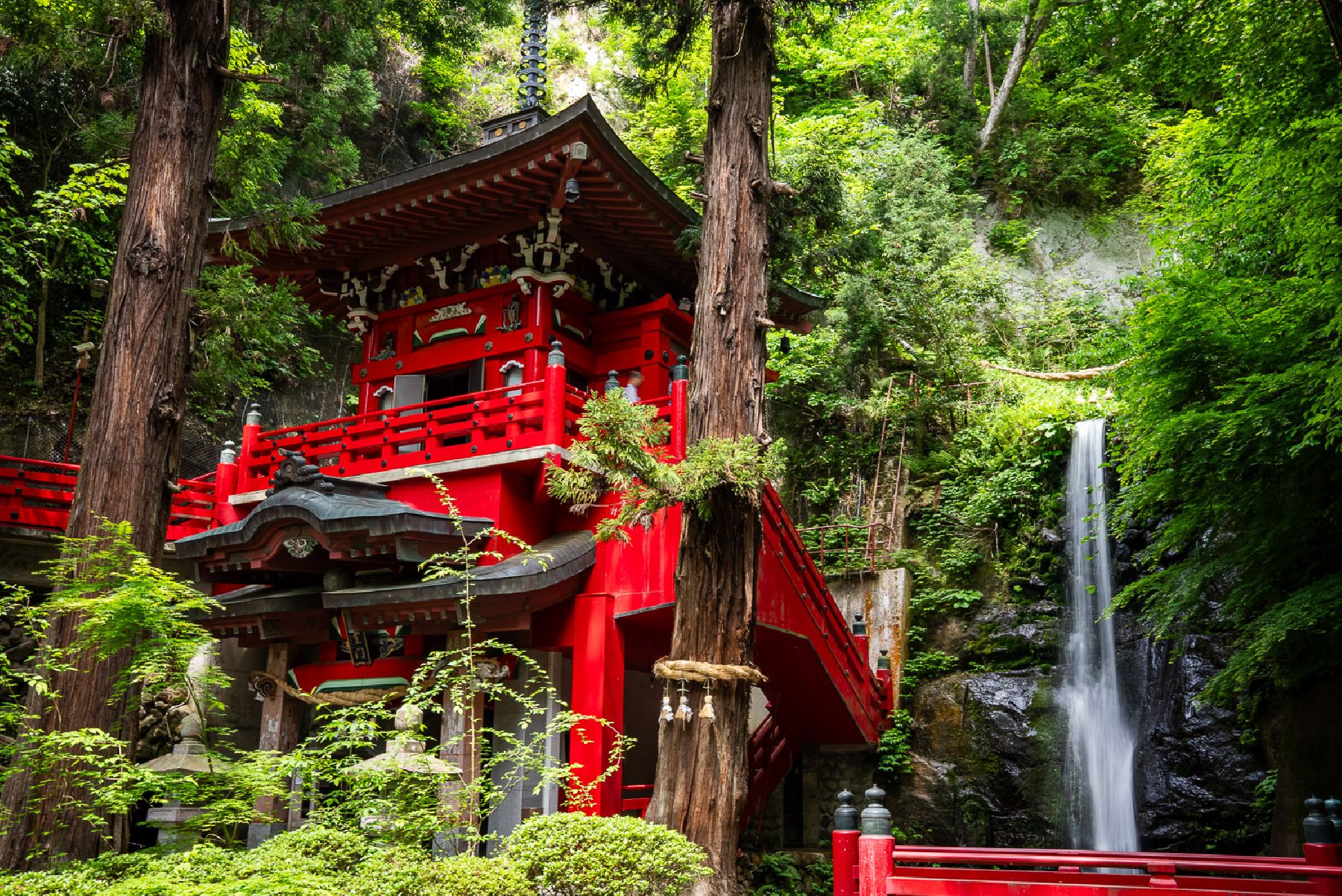
Nakano Fudoson is a Zen Buddhist temple built around a waterfall. Nakano Fudoson Temple is dedicated to the Buddhist deity Acala (Fudo in Japanese), one of the Buddhist ‘Kings of Knowledge’. Three forms of this deity can be praised at different areas within this temple.Those hoping to ward off evil & bad luck can worship the deity at the main temple. Those looking to protect their eyesight in the coming year can pray at the Kitoden. Those wanting to worship the Fudo deity even more intimately can do so at the Okunoin cave complex, which contains 36 Buddhist statues.

Yorinji Temple
History & Culture

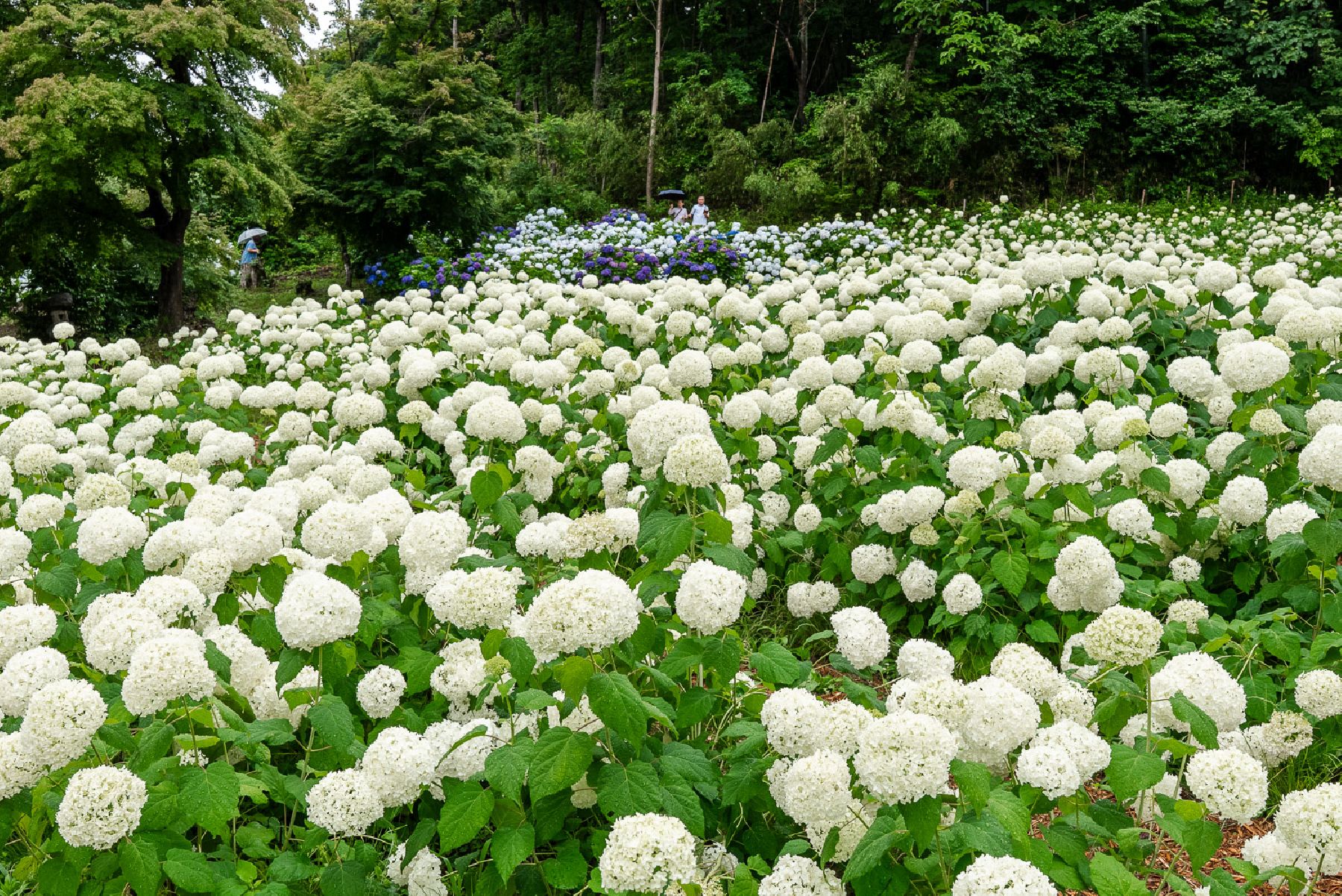
Yorinji Temple

Designated a historic site by Fukushima City, Yorinji Temple is famous not only as a cherry blossom spot but for its abundance of flowers. It’s said there are over 20,000 anabells and 5,000 hydrangeas, making it a popular place to visit during its blooming season (typically mid-June to early July).The purification well here is full of beautiful flowers from the area and watched over by small o-jizo-san - stone statues of a Buddhist deity said to protect children. Larger statues also dot the grounds of the temple, wearing traditional red caps and bibs; these are usually gifts offered by locals as a way of showing respect.There is a cafe on the grounds which sells gluten-free pizza made on site.A trip to the south of Fukushima City pairs well with seeing the Tired Gundam, a short five minute drive away.

Top