Hanamiyama

Hanamiyama

Hanamiyama Park is a privately-owned field for flowering and ornamental trees, in southeast Fukushima City.

The park is located within a satoyama-type landscape i.e. managed woodland hill country close to human habitat. What originally began more than 60 years ago with local farmers planting flowers and trees, has grown into a beautiful scene. The landowner generously turned the area into a park in 1959 to allow visitors to enjoy the beautiful flowers there.

Hanamiyama Park, and the wider Hanamiyama area, is now visited by thousands of admirers every year!

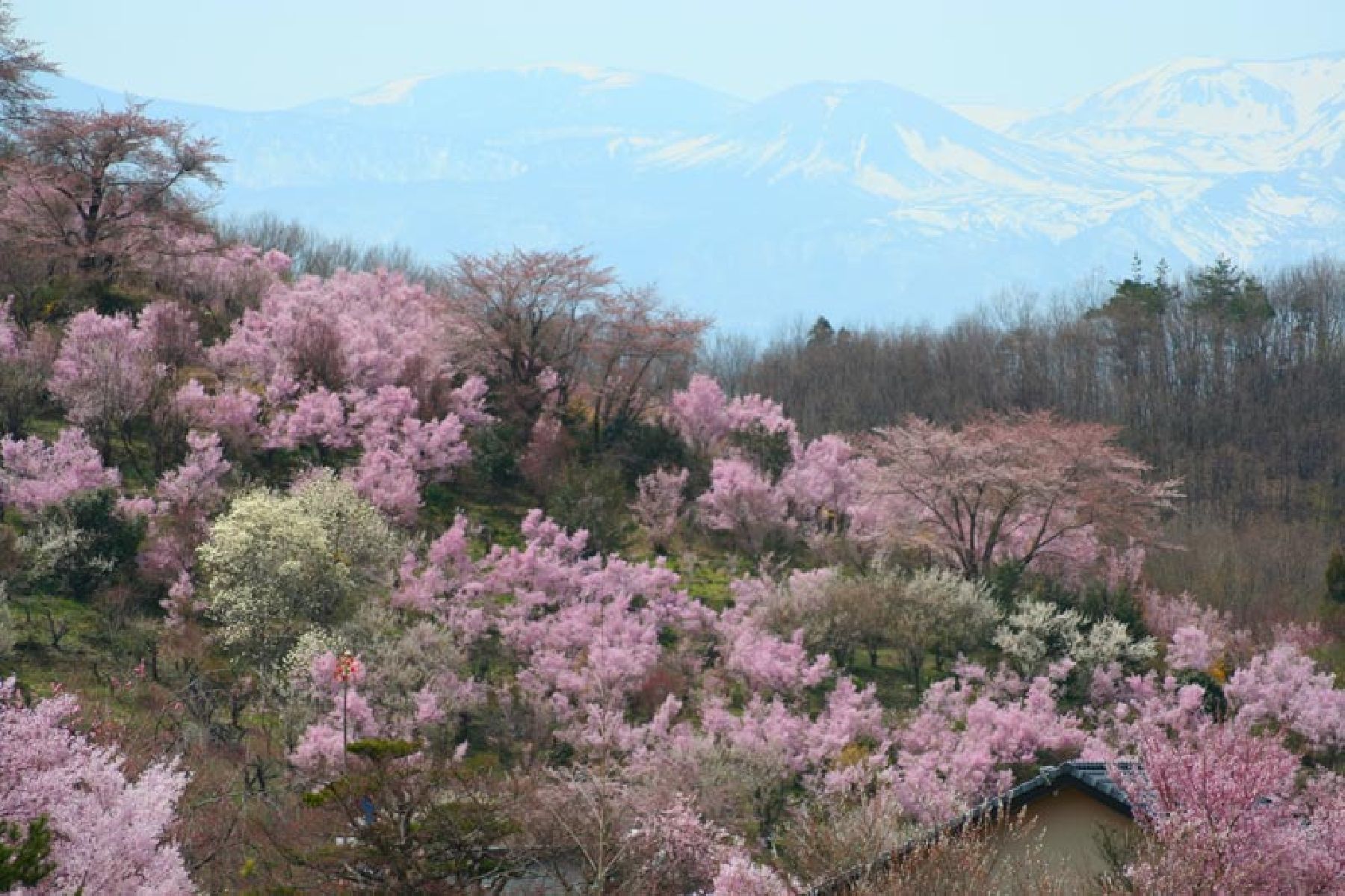
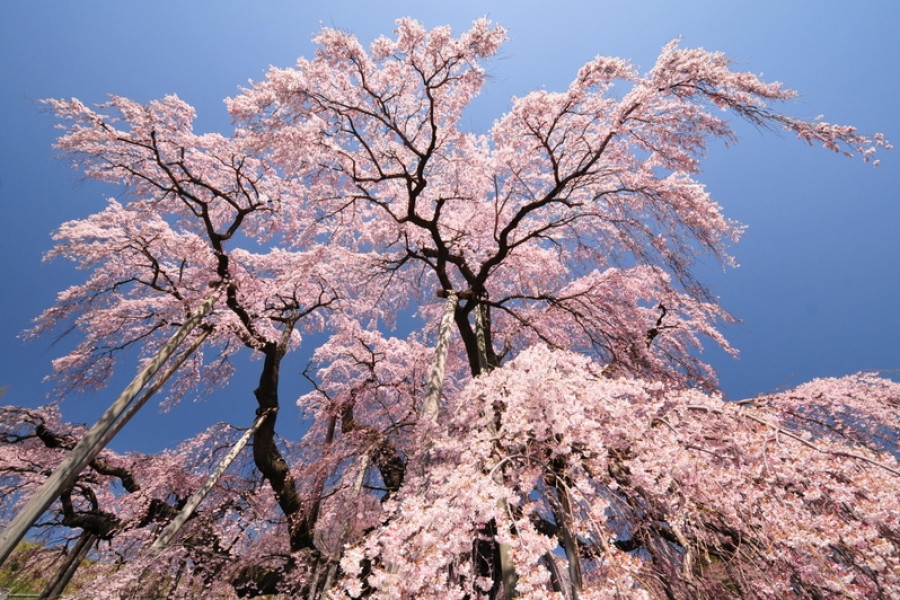
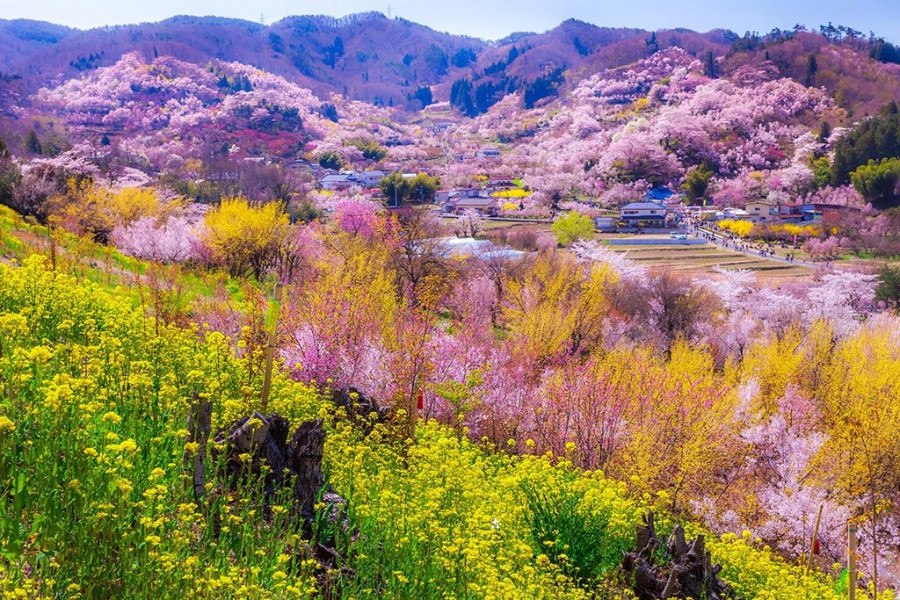
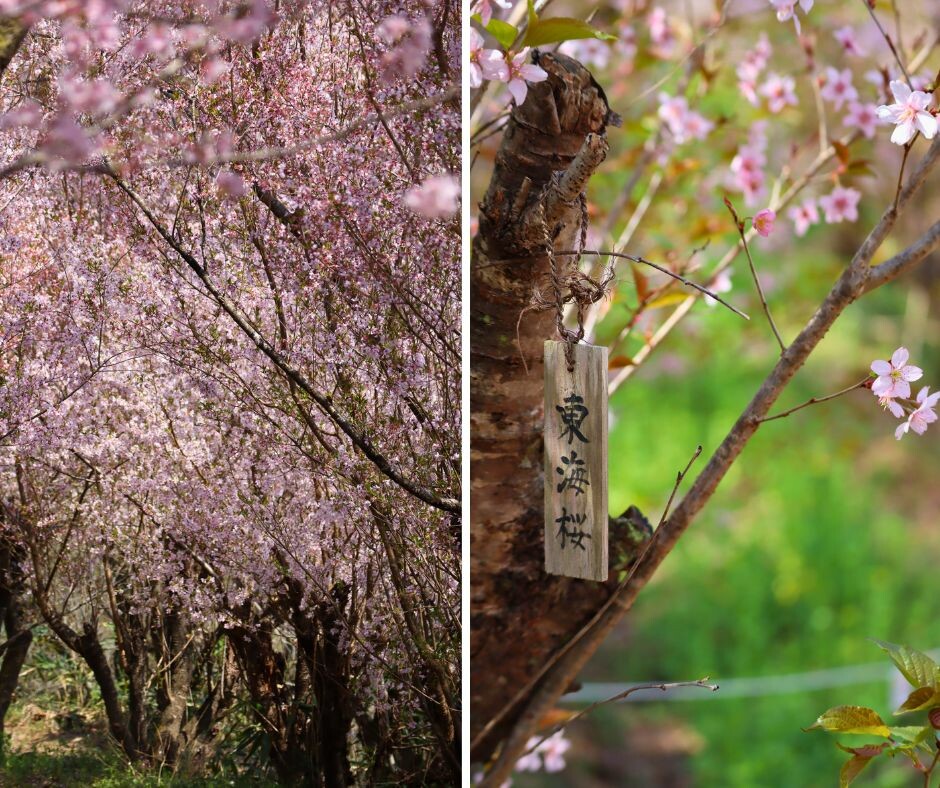
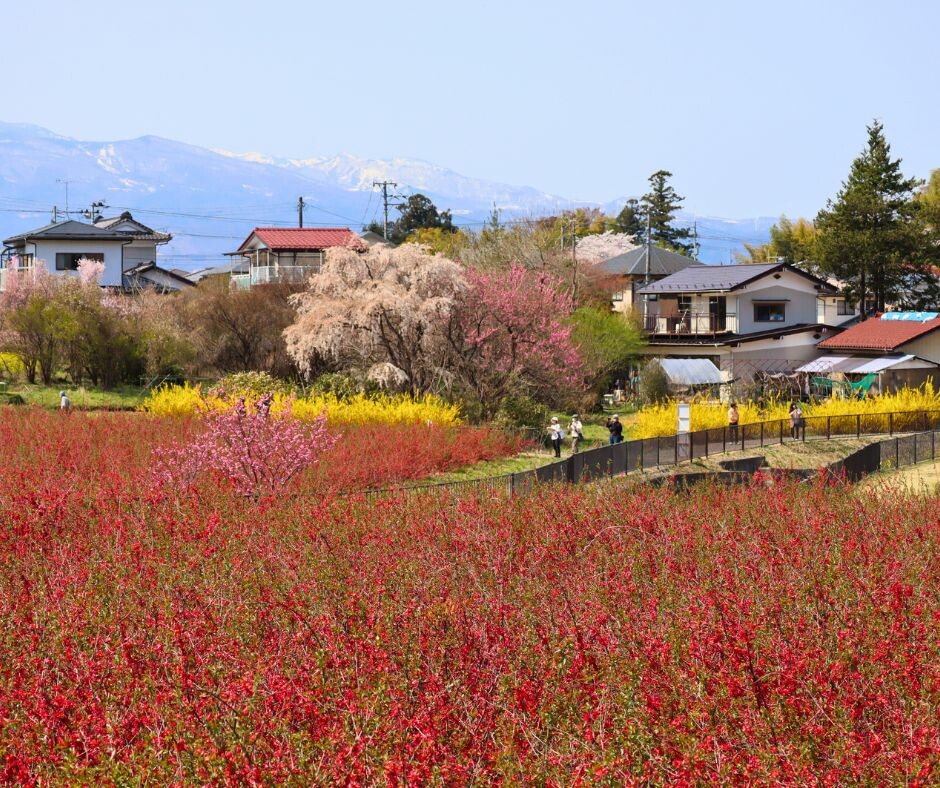
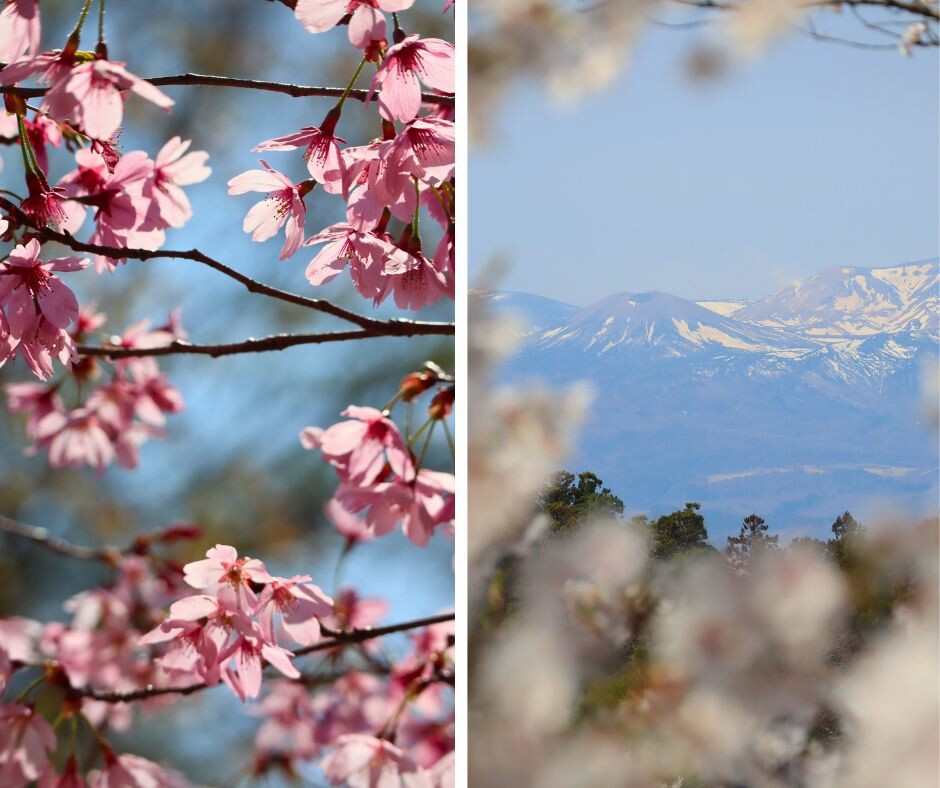
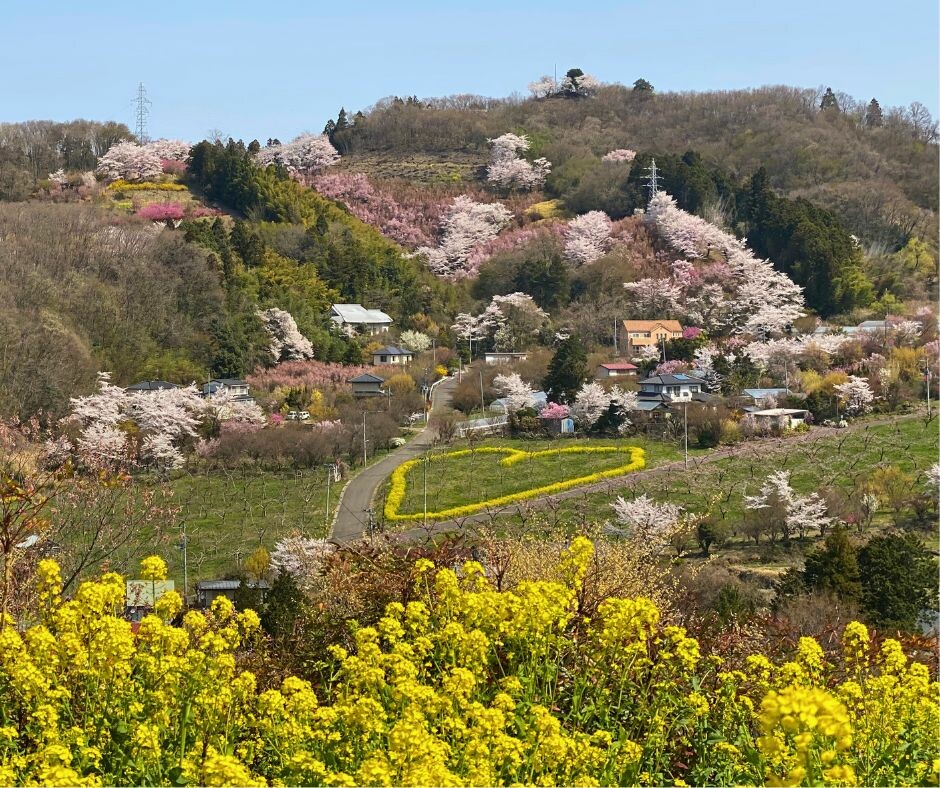
Springtime visits see cherry, plum, and forsythia trees paint everything in vivid colors. A gentle pink and purple landscape waving in the breeze with the picturesque snow-capped Azuma Mountains in the distance makes for an amazing sight.

The riot of spring colors is spectacular enough to merit calling this park Fukushima's very own paradise.

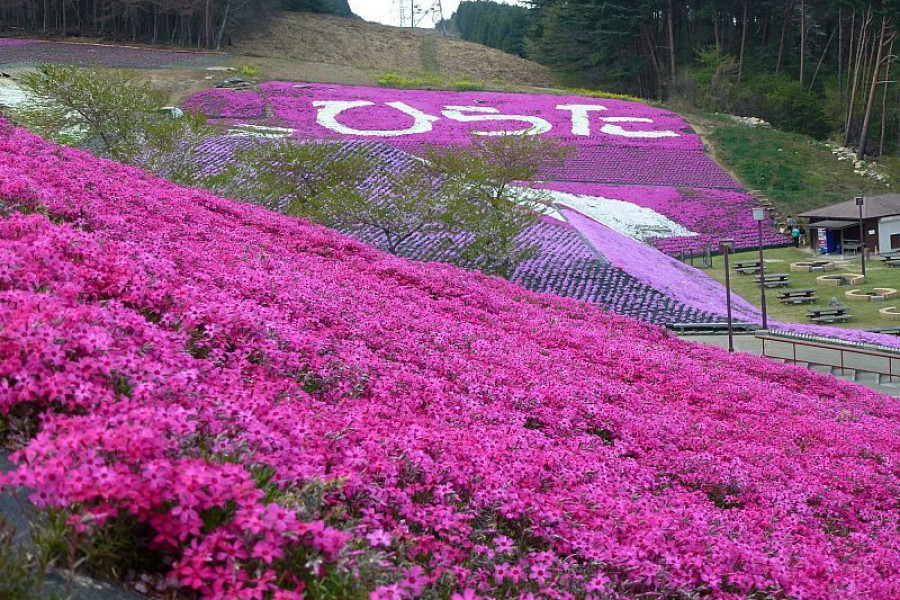
The flowering landscape moves all who see it and has been preserved through the cooperation of the local residents. Enjoy a leisurely one-hour stroll that will take you from the foot of the hill to the summit. Travel through groves of flowering trees and other vibrant flowers in full bloom.

Hanamiyama is the perfect getaway for a day for nature lovers, hikers, or people trying to escape for a short time.

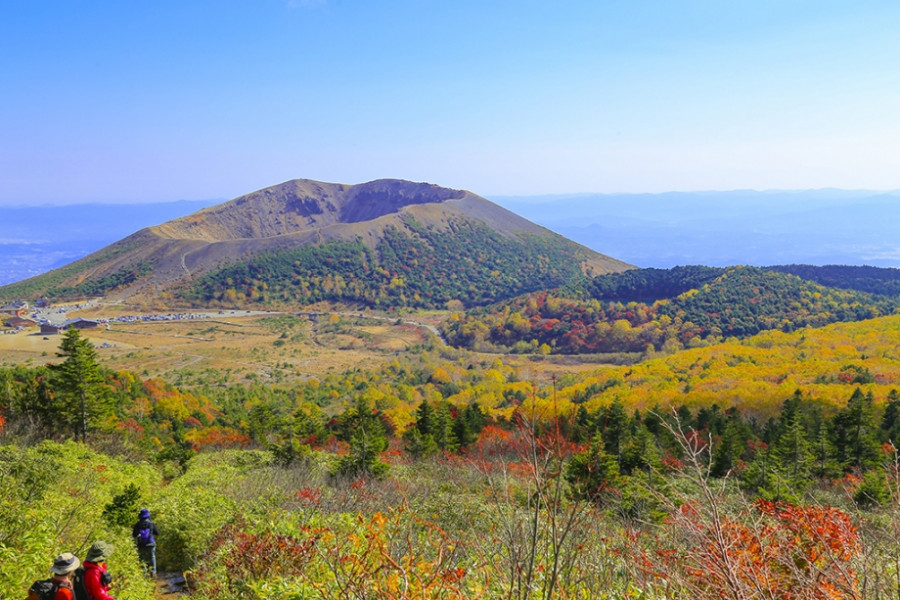
The best part is that spring isn’t the only beautiful time to visit. Marvel in wonder during the lush green summer foliage or the dappled colors of autumn. When you visit this fairytale-like wonderland, it is recommended that visitors wear comfortable walking shoes as the terrain includes graveled paths, steep slopes, and slippery areas. Mid- through late April is the peak season, so ready your camera and your heart for the beauty that awaits.

Venue Details

Venue Details
Websitehttps://www.hanamiyama.jp/en/
Contact

Fukushima City Tourism & Convention Association

(+81) 24-522-3265

Best Season
  • Spring
ParkingAvailable. Disabled Parking Available. Temporary parking lots are opened during spring.
Entrance FeeFree
Accommodation details

Pets: Not allowed

Related infoBest time to see cherry blossoms: Early April

English signage available.

Accessible toilets available.
Access Details
Access1-1 Sakae-machi, Fukushima City, Fukushima Pref. 960-8031
View directions
Getting there

Buses leave every 20 minutes from the east exit of Fukushima Station during blossom season (usually early-to-mid April). Round trip tickets are 500 yen. Hanamiyama is a 15min walk from the alighting bus stop.

By Car: 20 min drive from Fukushima-Nishi I.C. exit off the Tohoku Expressway

By Train: 15 min bus ride from Fukushima Station on the JR Tohoku Main Line

Mapcode for Car GPS: 475 269 351*20

Useful Links

Hanamiyama in Full Bloom

Fukushima's Top Cherry Blossom Spots

Hanami Day Trip from Tokyo

Hanami: Picnic Under the Sakura

Related trips

  1. Nature

    A Day of Cherry Blossoms

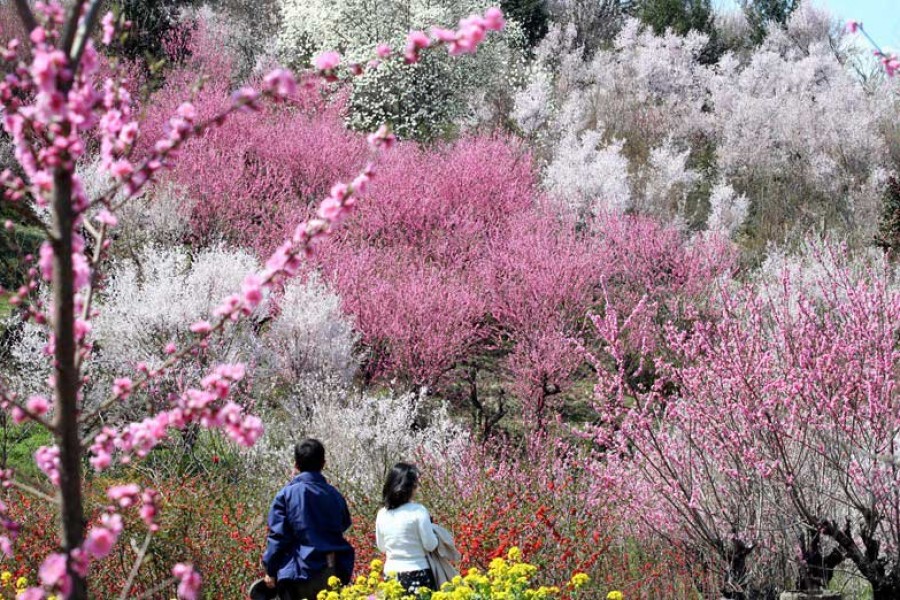
    Enjoy this day-long magical romp through springtime while you travel by train. Leave from the charming Fukushima Station and experience what the prefecture has to offer to lovers of nature and history. Bring your camera and your walking shoes and get ready for a day amongst the flowers of Fukushima. After leaving Fukushima Station, you’ll visit Hanamiyama. This springtime park paradise of flowers will leave you breathless from its beauty. You will fall in love with the hillsides colored in shades of pink, purple, and yellow. See the cherry trees in blossom, along with plum trees and forsythia trees with snow-capped mountains in the background. After Hanamiyama, travel to Nihonmatsu Castle for a time-traveling trip to the past. See the castle grounds and learn about the history of the area all while you enjoy the splendor of spring with the almost two thousand cherry trees in bloom. When you’ve had your fill of nature and history, use the train and head back to Nihonmatsu Station.  
    A Day of Cherry Blossoms

Nearby

The World Glassware Hall
Gourmet & Shopping

Fukushima Product Promotion Center

The Fukushima Product Promotion Center (also known as the ‘Bussankan’) is a short walk from the west exit of Fukushima Station and is the best spot to buy unique souvenirs from your trip to Fukushima.Enjoy a delicious lunch, and even do a sake tasting, at the Fukushima Lounge. All food and sake has been grown and produced locally in Fukushima.Browse locally-made items – which have been designed over generations in response to Fukushima’s rich history and culture, and have become representative of various areas of Fukushima Prefecture – displayed and sold in the ‘Local Products’ section.Great food, dried goods, local products and traditional crafts – the best from all over the prefecture can all be found at Fukushima Prefecture Souvenir Shop.As well as displaying and selling delicious local produce and locally-made folk crafts from a wide range of areas across the prefecture, the Fukushima Product Promotion Center also provides information on local products and sightseeing opportunities in Fukushima. Local artisans, farmers and performers also regularly visit the shop to display and sell their work.

The World Glassware Hall
Hot Springs

Sabakoyu

One of the defining sights of the charming Iizaka Onsen resort, the wooden frontage of Sabakoyu was famous for long being Japan's oldest wooden public bathhouse, before being renovated in 1993. The bath facilities are open to the public, giving visitors the chance to enjoy the authentic hot spring water straight from the source. The water here can reach temperatures of up to 50 degrees Celsius, giving it something of a reputation amongst the locals as too hot for first-timers to handle.The bathhouse is closed on Mondays, excepting public holidays. Guests should buy a ticket from the machine inside the entrance, and soap / shampoo are not provided, so bathers should bring their own.

You might also like

Mt. Azuma-Kofuji
Nature & Scenery

Mt. Azuma-Kofuji

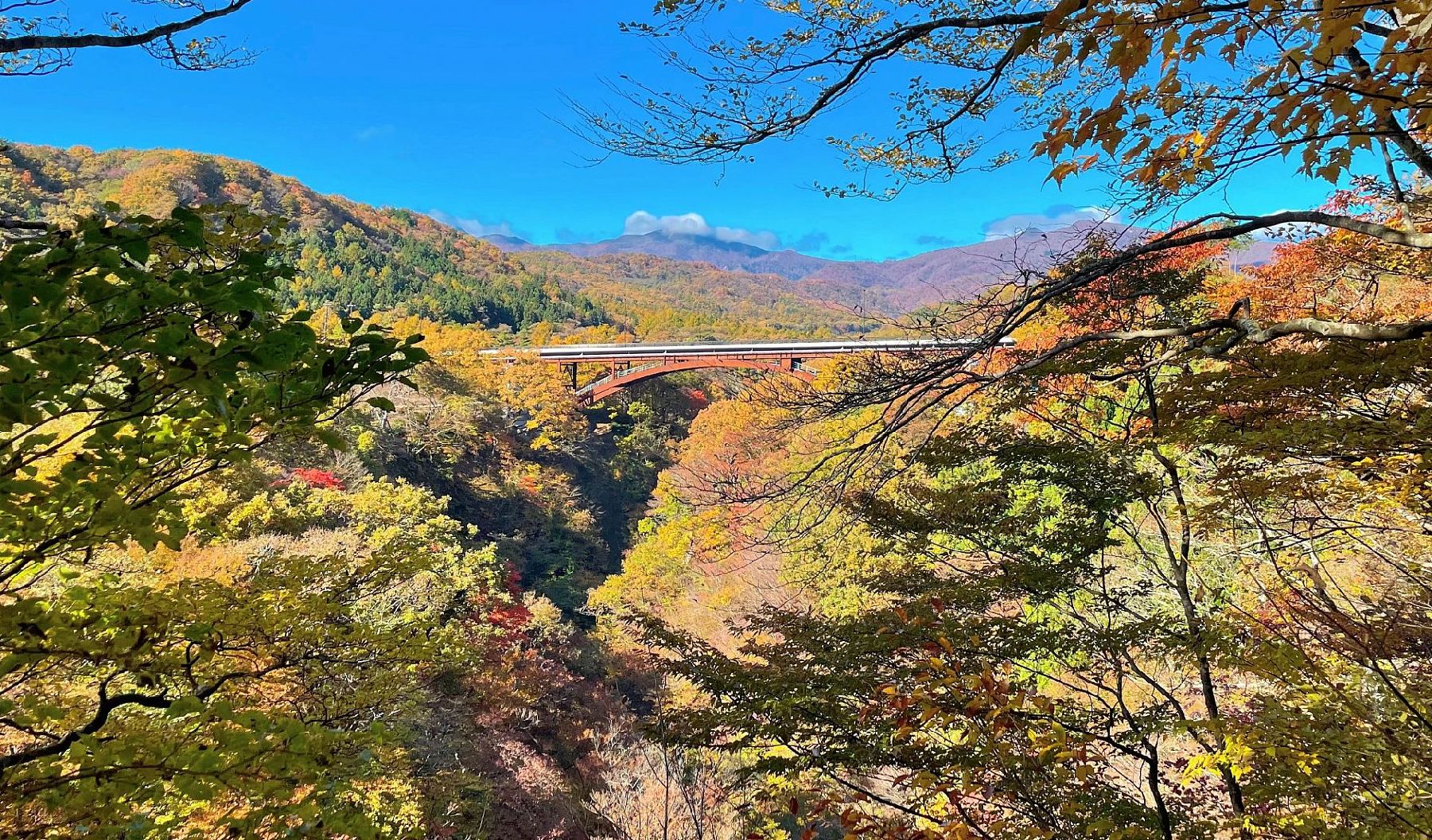
There is a special bus running from Fukushima Station to the Jododaira plateau while the mountain is open. Please visit the Jododaira Sky Access page for more details.Every year in spring, as the snow melts away, it leaves behind the shape of a giant white rabbit on the side of Mt. Azuma-Kofuji. This is called the “seeding rabbit”, and it signals to the people of Fukushima that the farming season has come.From April to November each year, you can experience the beauty of the awe-inspiring natural landscape of Mt. Azuma-Kofuji.Mt. Azuma-Kofuji is an active volcano with an appealing symmetry to it and a soft conical shape; because of these classic features, it was named Kofuji ('little Fuji'), after the iconic Japanese mountain.Thanks to its volcanic ground, the area has given birth to many nearby onsen areas perfect for relaxing, such as Tsuchiyu Onsen and Takayu Onsen.Mt. Azuma-Kofuji is a great destination for those who decide to drive through the area as the Bandai-Azuma Skyline happens to pass just below the crater of Mt. Azuma-Kofuji. Along the roadway is the Jododaira Visitor Center, which offers visitors a place to park, rest up, get a snack, and maybe even buy souvenirs. It is the perfect spot to take a break and explore one of the many short hiking routes to stretch out your muscles after a long car ride. From there, it is just a short hike up to the crater, and there are plenty of other great trails. Circle the crater of Mt. Azuma-Kofuji on a relaxed 40-minute walk and—if you are lucky—enjoy gorgeous views of Fukushima City, Mt. Bandai, and the Urabandai area. But do watch your step as the ground can be uneven and even slippery on grey days. The mountain is open from spring to autumn every year.

Isshikikanei Shrine
Nature & Scenery

Isshikikanei Shrine

Tucked away in a cedar grove in Tanagura Town, the moss-covered rocks and statues of Isshikikanei Shrine make you feel like you’ve stepped into a Ghibli movie.The shrine is well-known in the area for its two koma-inu (lion statue) carvings. These were carved in 1934 by Kobayashi Wahei, a famous stonemason from the region responsible for dozens of statues on shrine grounds, especially in his birthplace of nearby Ishikawa Town. One of them is known as one of Kobayashi’s ‘Great Three Lion Statues’. 

Bandai-Azuma Skyline
Nature & Scenery

Bandai-Azuma Skyline

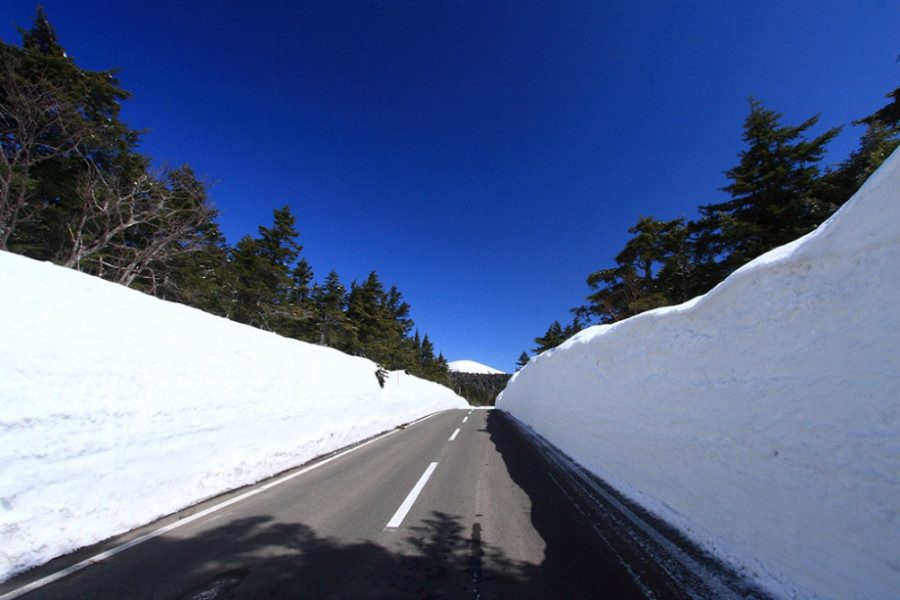
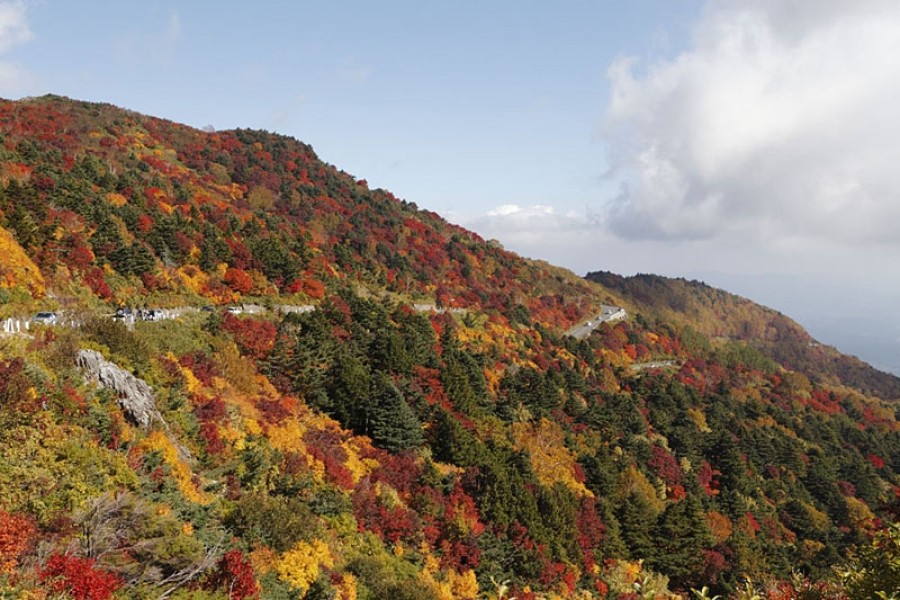
There is a special bus running from Fukushima Station to the Jododaira plateau while the mountain is open. Please visit the Jododaira Sky Access page for more details.This sightseeing road that runs from Fukushima City's Takayu Onsen to the Tsuchiyu Pass, commanding panoramic views of the surrounding landscape.The spectacular views that stretch out at an average altitude of 1,350 meters attract visitors time and time again, and Bandai-Azuma Skyline has been selected as one of the 100 Best Roads in Japan.In spring, tourists can enjoy flower viewing while at the same time taking in the otherworldly winter scenery of the "Snow Corridor".In summer, the Nemoto Shakunage (Rhododendron brachycarpum), a species of alpine rose, and other alpine plants display their colorful flowers and fresh, brilliant green leaves. During autumn, the drive warms as roads become enclosed by fiery seasonal leaves.There are also many hot springs in the vicinity of the Skyline where visitors can enjoy a bath and relax stiff muscles while out on a daytrip.The roadway passes next to the crater of Mt. Azuma-Kofuji. Visitors can easily park their car at the nearby guest center and enjoy a short hike up to the crater’s rim.The Bandai-Azuma Skyline Roadway has been selected as one of the top 100 roads in Japan, and unlike many others, this one is free to use. There are rest stops along the way for the hungry traveler; the most popular is Jododaira, as it’s home to a rest house and an observatory.Be sure to plan ahead though, from mid-November to early April the roadway is closed due to heavy winter snowfall.

Nanko Park
Nature & Scenery

Nanko Park

In 1801, Matsudaira Sadanobu, the twelfth Lord of Shirakawa, constructed a recreational area which was to be opened to anybody - regardless of status or family background. This recreational area turned into Nanko Park, which is considered to be the Japan's oldest public park. There are Yoshino cherry blossoms (about 800 trees), azaleas, pine trees, and maple trees at the edge of lake. You can enjoy seasonal scenery such as cherry blossoms in spring, fresh green leaves in early summer, autumn colors, and winter scenery with the beautiful contrast of the Nasu Mountains. The park contains Nanko Shrine, where Sadanobu is enshrined as a deity. Next to Nanko Shrine stands the beautiful Japanese gardens Suirakuen. At Suirakuen, visitors can try traditional Japanese tea served in a tea room, which boasts a spectacular view of the gardens. There are a number of shops, cafés, and restaurants along the edge of Lake Nanko. One of the local specialities to look out for is nanko dango, which are sticky rice balls on a skewer, served with different toppings.

Top