Goshiki-numa Ponds

Goshiki-numa Ponds

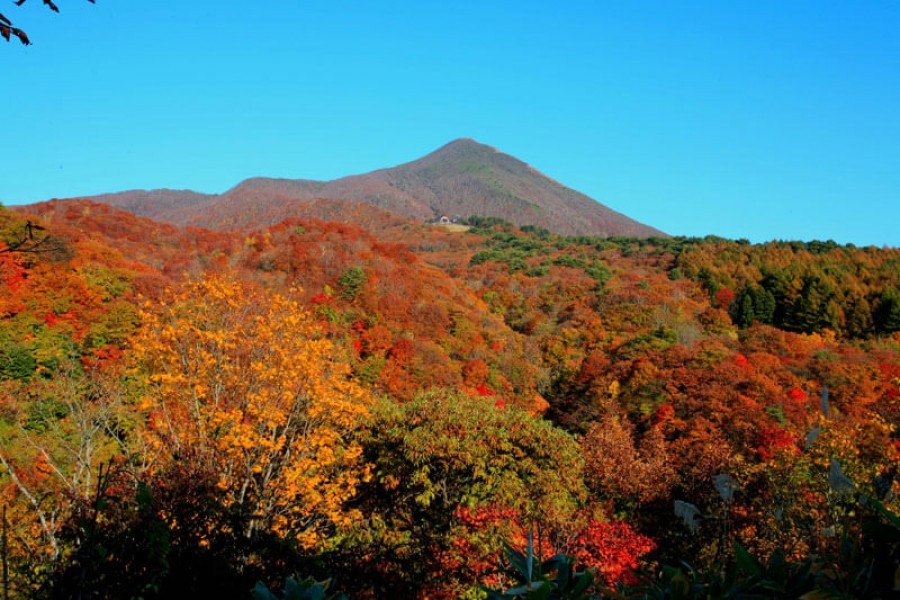
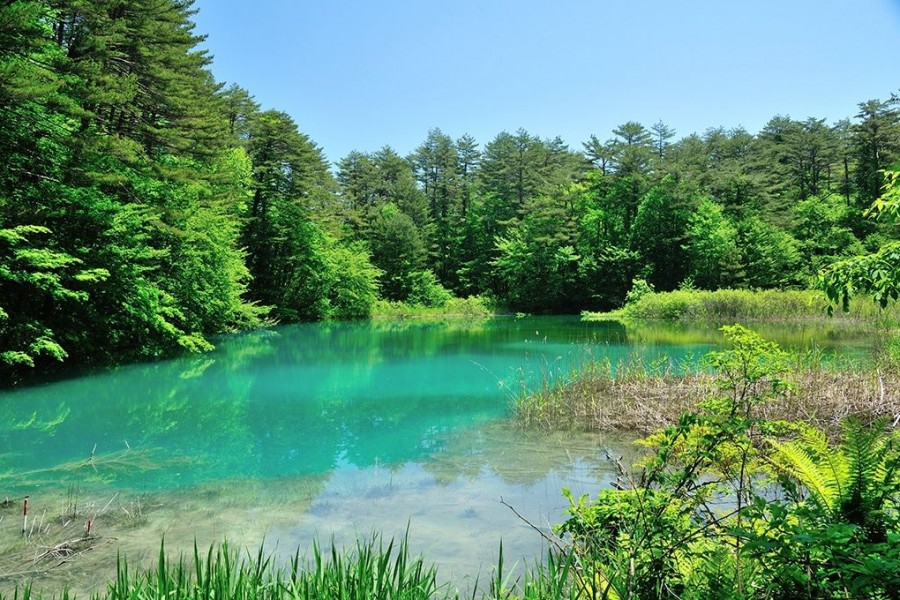
The Goshiki-numa ponds of Urabandai are a cluster of five volcanic lakes at the foot of Mt. Bandai. When Mt. Bandai erupted in 1888, Goshiki-numa - which translates as "Five-Colored Ponds - were formed.

In actuality dozens of lakes were created due to the 1888 eruption, but the Goshiki-numa Ponds are the most famous. It was thanks to the eruption that the lakes each took on rich color; the various minerals found in each lake give them a unique color and create a mystical aura.

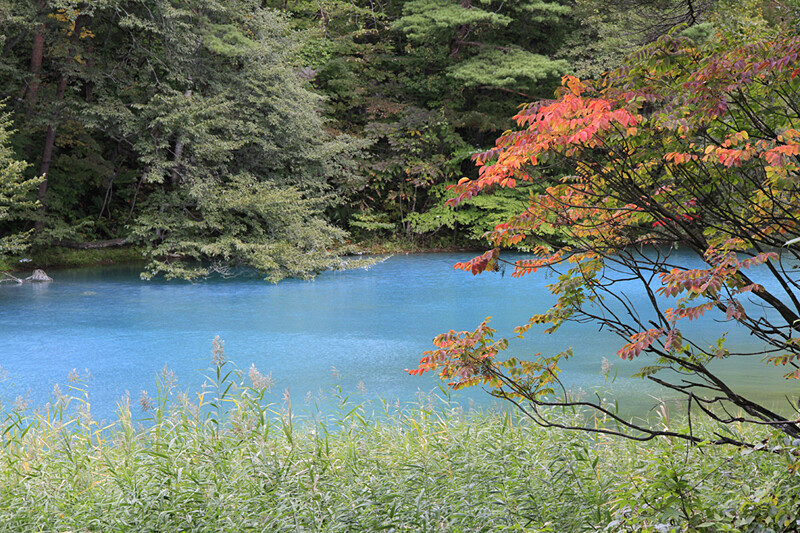
The colors of the Goshiki-numa Ponds also change throughout the year depending on weather and time of day, a truly mysterious phenomenon. The lakes have become a popular tourist destination. The five main lakes are Bishamon, Aka, Ao, Benten, and Midoro, and their colors range from a lime green to deep turquoise to a topaz blue. A scenic walking route guides visitors around the ponds. At 3.6 km in length, this walking route - which will take you past many of the ethereal colors - takes about 70 minutes to complete.

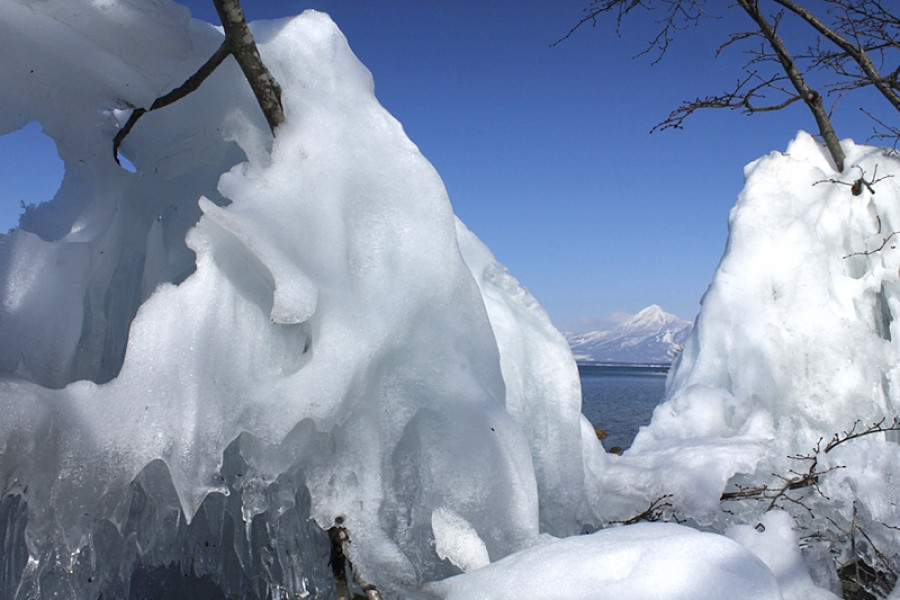
If you’d like a view of all five lakes at once, why not take the 4 km walking trail from Bishamon-numa (largest of the five lakes) up to nearby Lake Hibara. Alternatively, if hiking is not on your itinerary, enjoy a simple rowboat out on Bishamon-numa. It’s especially lovely in autumn as the color of the autumn leaves reflects on the deep green surface of the lake. In winter, there are even snowshoe trekking tours offered. The color of the lakes looks particularly vivid in winter, seeing as the minerals in some of the lakes stop them from freezing over, meaning you can see their colors contrasted with the white of the snow.

Be sure to stop by the Urabandai Visitor Center, which is a large and well-equipped facility. You can find great information here about tours as well as the various geography, wildlife, and even the history of the area. It’s a great chance to learn more about the ecosystem that makes up the Goshiki-numa Ponds.

Venue Details

Venue Details
Websitehttps://www.urabandai-inf.com/en/?page_id=141
Contact

Urabandai Tourism Association

(+81) 241-32-2349

Best SeasonAll Year
ParkingAvailable
Access Details
Access1093 Ken-ga-mine, Hibara, Kita-Shiobara Village, Yama County, Fukushima Pref. 969-2701
View directions
Getting there

By Car: 30 min drive from Inawashiro Bandaikogen I.C. exit off the Ban-etsu Expressway.

By Train: Take the JR Ban-etsu West Line to Inawashiro Station. From there, take the Bandai Toto Bus bound for Urabandai Kogen-eki, and get off at Goshikinuma Iriguchi bus stop (五色沼入口バス停). The bus takes 35 min to reach the Goshiki-numa Ponds.

Mapcode for Car GPS: 413 566 067*52

Useful Links

7 Ways to Enjoy the Goshiki-numa Ponds

Destination Spotlight: Goshiki-numa’s Breathtaking Blue Lakes

Top 10 Places to See Autumn Leaves in Fukushima

Majyo-no-hitomi (The Witches’ Eye Lake)

Urabandai Highlands

Related trips

  1. Driving

    Ultimate Fukushima Prefecture Road Trip

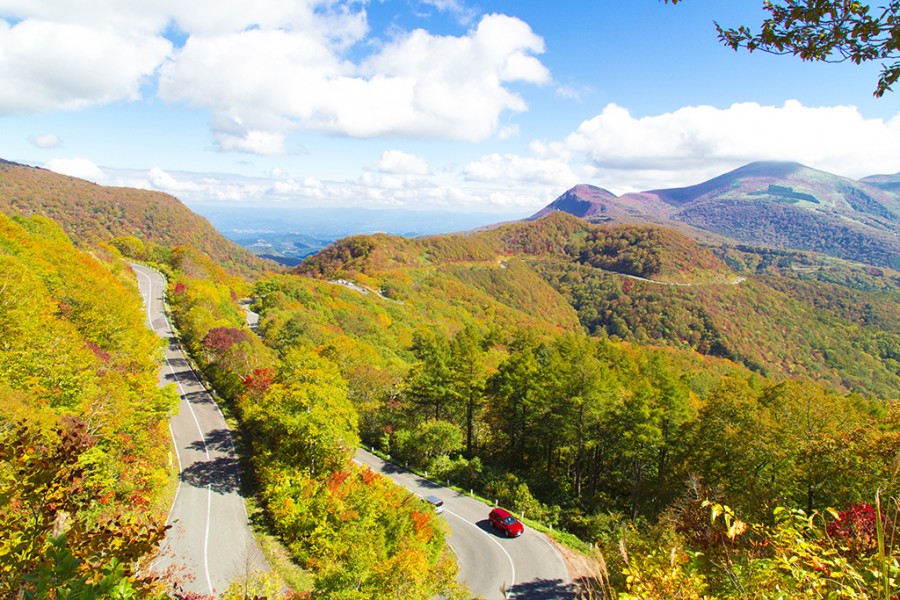
    This trip highlights some of the best Fukushima has to offer and is perfect for those looking to get the most out of the prefecture in a limited time. Take in castles, nature, traditional villages, and more as you treat yourself to local styles of soba and ramen along the way. Renting a car is a must if you want to hit all the spots on this tour. You can take it slow and complete this trip over three days, or skip out an overnight stay in Urabandai area, and do it in two days. Start the day from Fukushima Station with a scenic drive to the the beautiful Urabandai region. We recommend taking the Bandai-Azuma Skyline road so that you can enjoy a mountain drive and check out the great sights at Mt. Azuma-Kofuji. From there, take the stunning sightseeing road Azuma-Bandai Lake Line into Urabandai. Explore the Urabandai area, have lunch, go on a walk around the five-colored ponds of Goshiki-numa, and maybe even take a dip in a hot spring or two. Choose whether take it slow and stay the night in Urabandai area, or whether to press on to Aizu-Wakamatsu City.  Later that day - or the next morning, depending on your schedule - head into the castle town of Aizu-Wakamatsu City where samurai culture is prevalent. The majestic Tsurugajo Castle offers beautiful views of the surroundings from the keep. Check out the nearby Tsurugajo Kaikan to paint an akabeko or two and maybe have some lunch. Then explore the mysterious Sazaedo Temple and the surrounding Mt. Iimoriyama area. From here, we suggest staying overnight in the city. There are plenty of budget hotels in Aizu-Wakamatsu, but if you are looking for something traditionally Japanese, we recommend looking into lodging at the nearby Higashiyama Onsen hot springs town just east of the city. On the next day prepare to jump into the past with a trip to the Ouchi-juku mountain village. You can spend hours here shopping and eating local foods while walking up and down the street lined with traditional thatched-roof houses. Lastly, head to the To-no-Hetsuri Crags, a natural monument filled with towering cliffs overlooking the Okawa River. Cross the nearby suspension bridge which offers breathtaking views of the surroundings. After getting fully refreshed head back to Shin-Shirakawa station by car, drop off your rental car, and connect back to Tokyo or the next stop on your journey!
    Ultimate Fukushima Prefecture Road Trip
    1. Driving

      Autumn Colors of Fukushima

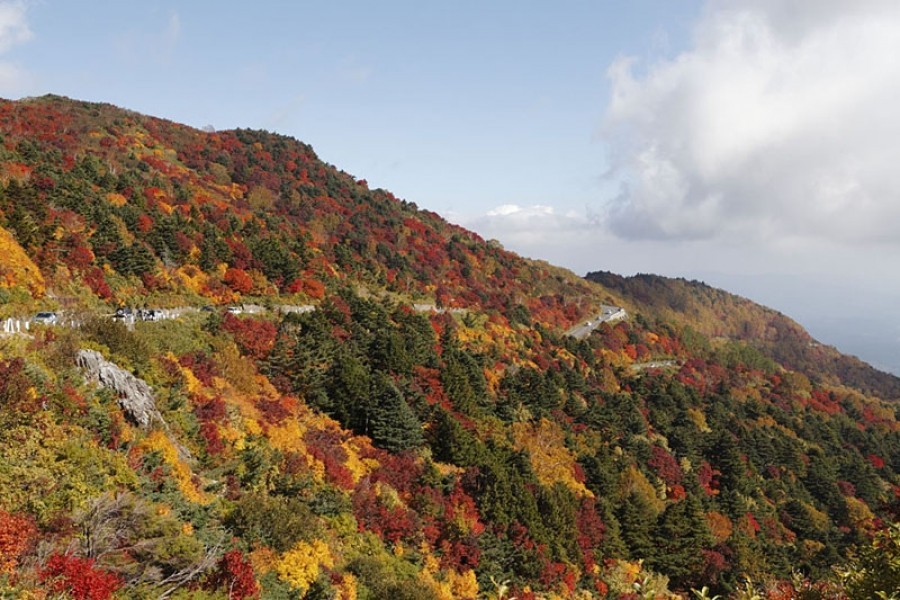
      Spend a couple of beautiful days admiring the colors of autumn in Fukushima from the comfort of your car. You will love zooming around the prefecture and seeing all that autumn has to offer. With some of the best autumn vistas in the prefecture right outside your window, be sure to have your camera at the ready. Rent a car at Fukushima Station, and make your way down the picturesque Bandai-Azuma Skyline where you’ll see trees and mountainous views on either side. The colors of autumn will surround you like a cozy blanket and you will definitely want to take it slow to enjoy these brilliant leaves. Drive the mountain road down to the Bandai-Azuma Lake Line and admire the reflections of the autumnal trees on the surface of the beautiful waters. Take in the panorama of colors and nature in this tranquil setting before moving on to the next amazing site. Visit the fascinating Goshiki-numa Ponds that change color throughout the day; admire the various shades of these volcano-created ponds. Finish your crimson leaf tour of Fukushima at To-no-hetsuri Crags where you can drink up the gorgeous vista of trees against the stony edifice before heading back to Shin-Shirakawa Station and ending your trip. For more places, check our Google Maps list of worthwhile autumn foliage trips in Fukushima.  

      Autumn Colors of Fukushima
      1. Adventure

        Diamond Route (4 Days, 3 Nights)

        Have you ever wanted to take a cross-prefecture tour of Japan, from Tokyo to the impeccable countryside of Fukushima? Well, now is your chance to travel from the international hub of Tokyo and see what else Japan and—especially—Fukushima have to offer. Enjoy this cross-country tour of Japan over the span of a few days, so that you can enjoy things at your pace. Start your trip from Tokyo Station and ride a short distance to Asakusa. See one of the busiest shrine-and-temple locations in Tokyo. You’ll love the bustling atmosphere and the street stalls with their many trinkets and souvenirs. Once you’ve finished in Asakusa, head out of the city and make your way for Tochigi Prefecture’s Nikko. Nikko is perhaps most famous for the three monkey statues that people equate with “hear no evil, see no evil, speak no evil”. You’ll see these wonderful statues and more while you stop over in Nikko. From there, travel north to Higashiyama Onsen and enjoy the sights form the train along the way. Higashiyama Onsen is Fukushima’s home to some truly great hot springs and Japanese-style inns. Soak up the hot waters and relax your tired muscles. At Tsuruga-jo Castle, you can walk the pristine gardens and enjoy the castle grounds. Be sure to make note of the red-roof tiles of the castle as well, this is the only castle in Japan that boasts having these deep-red tiles. Inside the castle keep, discover the history of the Aizu samurai through the many exhibits and displayed artifacts. Make your way to Nanokamachi-dori Street and admire the local architecture, which is quite different than that from the rest of the area. Search out local hidden gems along the narrow streets and find the perfect souvenir to take home. Enjoy your time in Tokyo, Tochigi, and Fukushima like never before with this route.  

        Diamond Route (4 Days, 3 Nights)
        1. Culture

          Two Days, One Night in Fukushima Prefecture

          Looking to visit the best of Fukushima Prefecture in only a short time? This itinerary aims to cover some of the prefecture's most popular spots in the space of a two day, one night stay, including lunch options and potential activities. The transport hub of Koriyama, served by both shinkansen (bullet train) services from Tokyo and local trains, is an excellent place to start your trip. The journey from Tokyo Station to Koriyama Station takes as little as 1 hour and 15 minutes on the shinkansen. On this trip, you'll visit, among others: The ethereal thatched-roof village of Ouchi-juku Tsurugajo Castle, samurai fortress of the Aizu clan The double-helix architecture at Sazaedo Temple Goshikinuma Ponds, one of northern Japan's most beautiful natural areas The astonishing colours along the Bandai-Azuma Skyline sightseeing road The Fukushima 'Fruit Line' with dozens of orchards This itinerary can also be combined with a beautiful cherry blossom spot like Hanamiyama or the thousand-year-old cherry tree Miharu Takizakura, if your trip falls in mid-April. These spots are most easily traversed by car, so this article recommends renting a car at Koriyama Station. There are four rent-a-car spots near the station with English support and online bookings available:  Toyota Times Car Rental ORIX JR Rent-A-Car However, much of the course can be accessed by public transport. The sights towards the mountainous Inawashiro region (Goshikinuma Ponds, Bandai-Azuma Skyline etc.) can be more difficult without a car.

Nearby

The World Glassware Hall
History & Culture

The Grave of the Matsudaira Family

The gravesite was constructed in 1657 when Masayori, the heir of the first Aizu lord Hoshina Masayuki, passed away. Tombs for the second lord Masatsune through the ninth lord Takamori, as well as their wives and children, stand side by side. A Buddhist funeral was conducted for the second lord, but the Shinto style was used for all the other lords. This gravesite is one of Japan’s top daimyo family graves, and is known for its history and scale. The Grave of the Matsudaira Family has also been nationally recognized as an Important Historic Site.

The World Glassware Hall
History & Culture

Shingu Kumano Shrine Nagatoko

Built in 1055, the Nagatoko is Shingu Kumano Shrine's worship hall and translates to “long floor”. It is designated as a Nationally Important Cultural Asset. Its thatched roof main structure was built between the Heian period and the Kamakura period and is supported by 44 massive pillars, each one 45 cm in diameter. It is a large, open stage with no walls, said to have been used for ascetic training by priests, as well as kagura dance festivals. Housed inside a nearby large wooden frame is the shrine bell, which visitors to the shrine are welcome to hit with a wooden rod. There is also a famous copper pot in which, allegedly, rice was rinsed before being offered to the gods; the pot was designated as an Important Cultural Property in 1959. This treasure is housed at the shrine along with many others and is on display for visitors along with national and prefectural designated cultural assets. Also not to be missed is the lion statue in the center of the treasure hall. It is known as a guardian of wisdom: a local legend says that if you can pass under the belly of the lion, your wisdom will blossom. It is a popular place for students to visit before the exam season and even politicians before election season. Come autumn, the magnificent 800-year-old ginkgo tree at the site is bathed in yellow, contrasting beautifully with the Nagatoko. This ancient tree has also been designated as a Natural Monument of Kitakata City. In November each year, you can even see a special illumination of the ginkgo tree for a limited time.

The World Glassware Hall
Museums & Galleries

Hideyo Noguchi Memorial Museum

Most people probably don’t know who Hideyo Noguchi (1876-1928) is by name but just look at a 1,000-yen note and you’ll know his face. A renowned bacteriologist, Noguchi made great advances in the research of a vaccine for yellow fever. He’s also credited with the discovery of the agent which causes syphilis.This memorial museum was established to honor the Nobel-nominated bacteriologist, and to introduce his life achievements. The house where Noguchi was born stands within the museum grounds. Visitors to the house can see the fireplace where he fell as a child, leading to him seriously burning his left hand. The alcove post of the house has carved into it the words of resolution Noguchi made before he went to Tokyo.The exhibition room contains many resources that introduce Noguchi's life and accomplishments, including his favorite articles, letters, and photographs. In Noguchi's laboratory, which was recreated for the memorial museum, visitors can interact with a robot designed in the image of Noguchi. The robot answers questions from visitors and gives them encouraging messages.Though the house retains its Meiji Period charm, the hall and facilities were renovated in April 2015, during which time the experience-based corner was added. Here, guests can learn about bacteriology through videos and interactive games.Aizu-Ichiban Café, a café which renovated from the clinic where Hideo Noguchi received treatment for the burns he suffered to his left hand, is located nearby. Once named Kaihiyo Clinic, this is where he spent much of his youth and acquired his motivation to study and ambition to help others. There are also a number of his belongings on display, making it an interesting place to visit after a trip to the museum.

You might also like

Tatsuzawa Fudo Falls
Nature & Scenery

Tatsuzawa Fudo Falls

Breathe in the cool, crisp negative ion air and relax under the shade of trees as you marvel at the beauty of the Tatsuzawa Fudo Falls. Two waterfalls make up the Tatsuzawa Fudo Falls; Odaki is considered the male fall and is the larger of the two (16 m tall), while the smaller of the two is considered female and called Medaki. The sight is indeed lovely to behold as the silvery waterfalls over the rocks below. The Tatsuzawa Fudo Falls are located in Inawashiro Town and are beautiful year-round. These falls are also a treasure for photographers because of how serene they are surrounded by nature on all sides. In spring and summer, the lush greenery makes the whole forest feel alive; in autumn, the vibrant colors of the leaves reflect off the water and give it a painterly feel. With proper snow equipment, you can even visit in winter and see the stark contrast falls against the white snow. The drive up to the falls is only 15 minutes from central Inawashiro Town, and there’s a small parking lot about a 10-minute hike from the falls. The walk itself is easy and smooth. You’ll first pass Lady Medaki before arriving at the main Odaki falls. And with maple trees framing the waterfall just perfectly, you’ll want to be sure to remember your camera and perhaps a tripod as well. There is even nearby onsen for you to stay and relax afterward. So why not visit the falls to relax your mind and soul, and then go for a soothing dip in the hot springs to rejuvenate your body. You won’t be disappointed with the vista of the falls or the nearby area.

The Great Gingko Tree of Akai
Nature & Scenery

The Great Gingko Tree of Akai

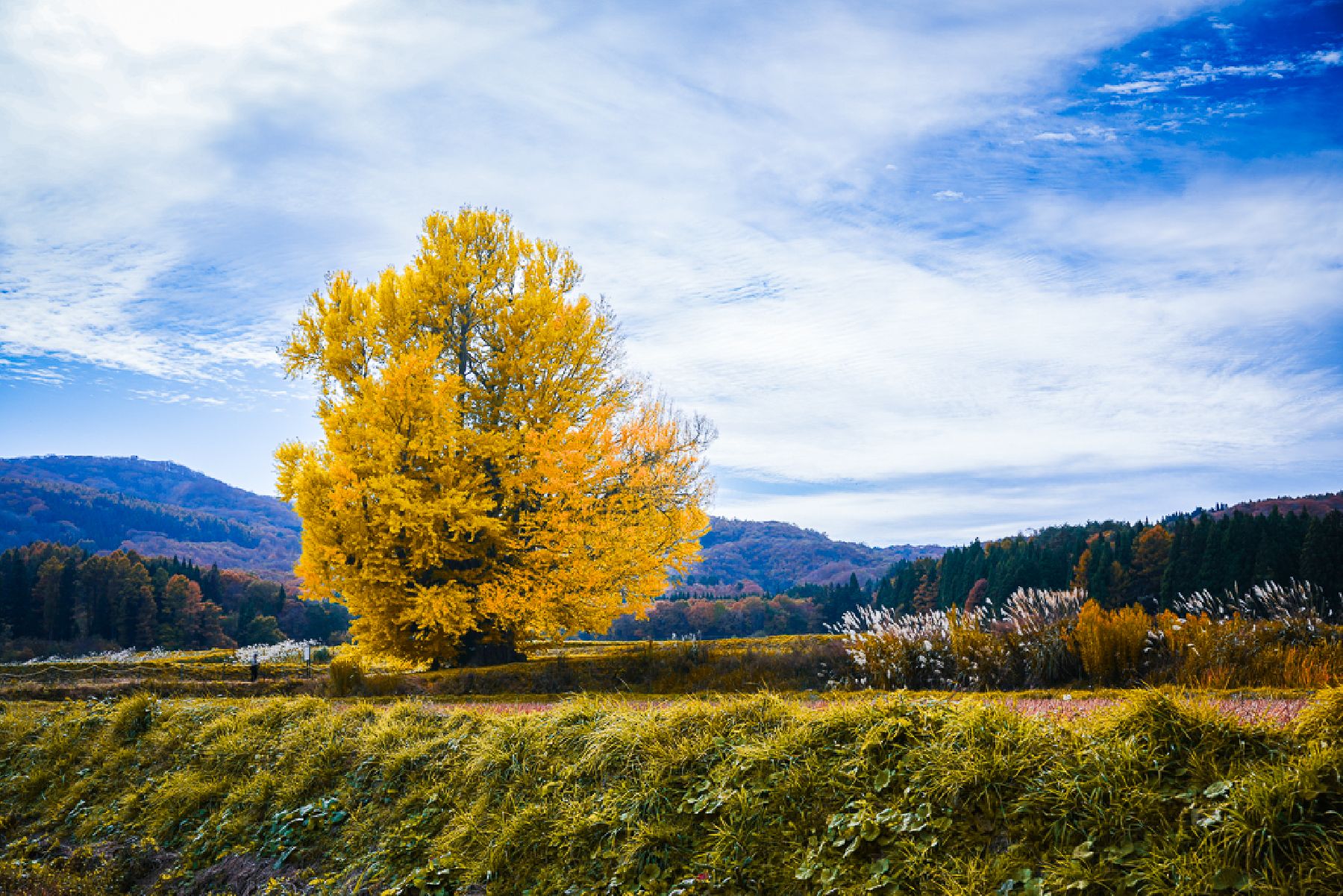
Standing 95 feet tall and nearly 100 feet wide, the Great Gingko Tree of Akai looms above a small neighbourhood to the west of the great lake at Inawashiro. At over 650 years old, this is one of Japan's oldest gingko trees and an iconic symbol of the area for many local people.In particular, the tree is most impressive in autumn, when its changing leaves become a vibrant yellow that can be seen for miles around.The best time to see the great tree is early to mid-November, which is also when the tree is illuminated in the evening. Although there is no official car park, there is plenty of open space in which to park.

Bandaisan Gold Line
Nature & Scenery

Bandaisan Gold Line

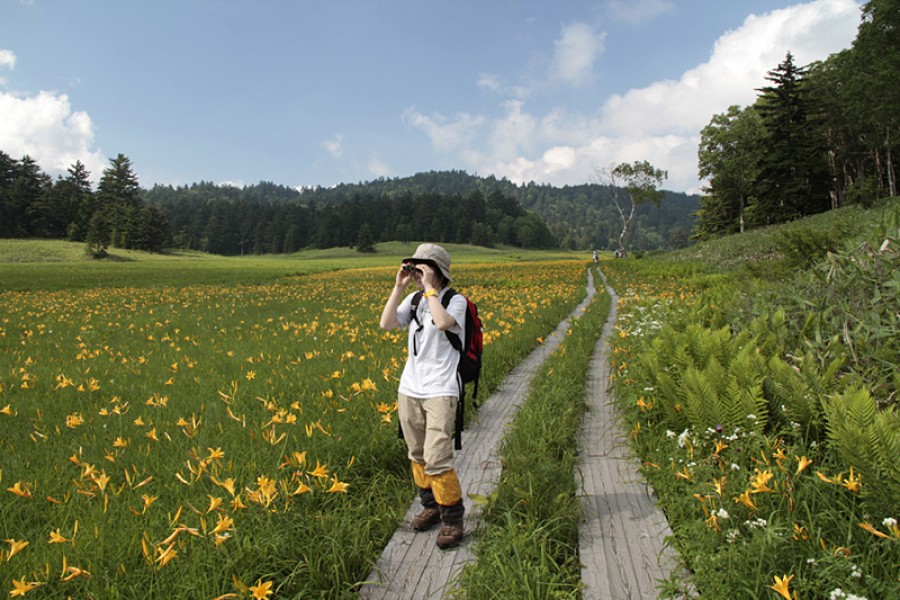
The Bandaisan Gold Line road connects Bandai Kogen, a highland rich with lakes diverse in shapes and size, and various alpine plants, and the Aizu area, which has an immensely rich and fascinating history. This submontane sightseeing road offers diverse views of Mt. Bandai (known in Japanese as 'Bandai-san') and can lead visitors to either the mountain's rugged caldera or to the picturesque Lake Inawashiro. Visitors can discover new hidden gems every time they explore the Gold Line by car, making it a very popular spot to return to among tourists and locals. The area surrounding the road is known as a foliage-viewing spot with hairpin curves that carve through the woodlands. On the walking trail that leads to Baya-ike, a "phantom" waterfall, visitors can take in the beauty of the landscape as they hike. The most highly recommended walking course extends from Happodai to the Oguninuma wetlands, where in late June, visitors are greeted by ban array of beautiful, broad dwarf day-lilies.

Top