Dake Onsen

Dake Onsen

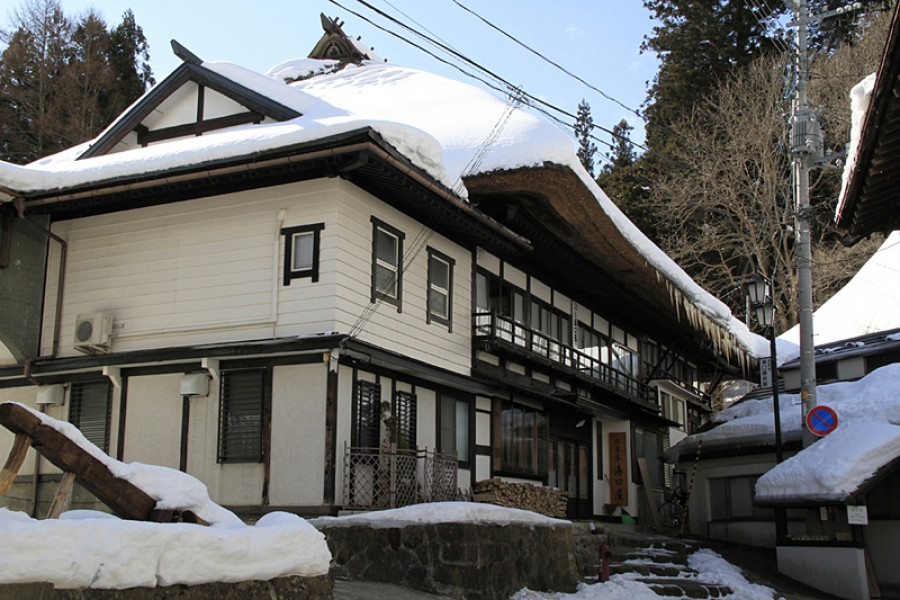
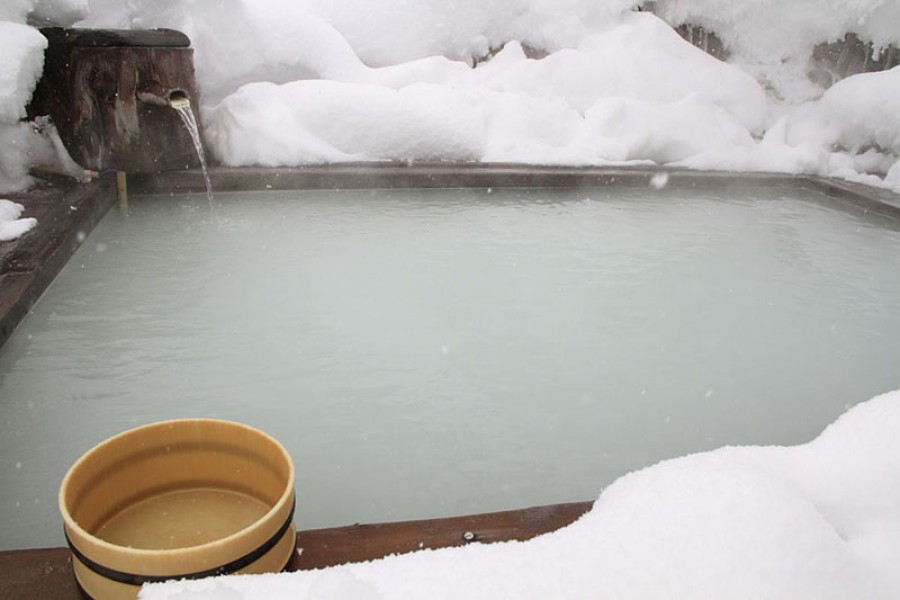
Dake Onsen is one of Japan's few naturally acidic hot spring sources. The onsen source is located some 8 kilometers away from Dake Onsen town, meaning the hot spring water must be pulled from the source, travelling for around 40 minutes before it reaches the town. During this journey, the hot water becomes softer, making it gentle on the skin. Since the Dake Onsen's hot spring waters are acidic, it is recommended that visitors rinse in the shower after bathing in the town's onsen.

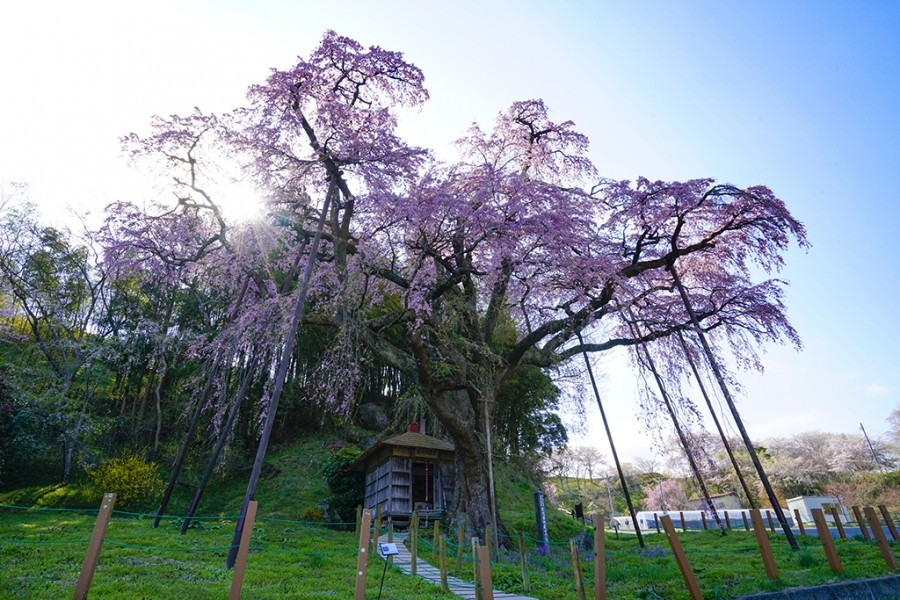
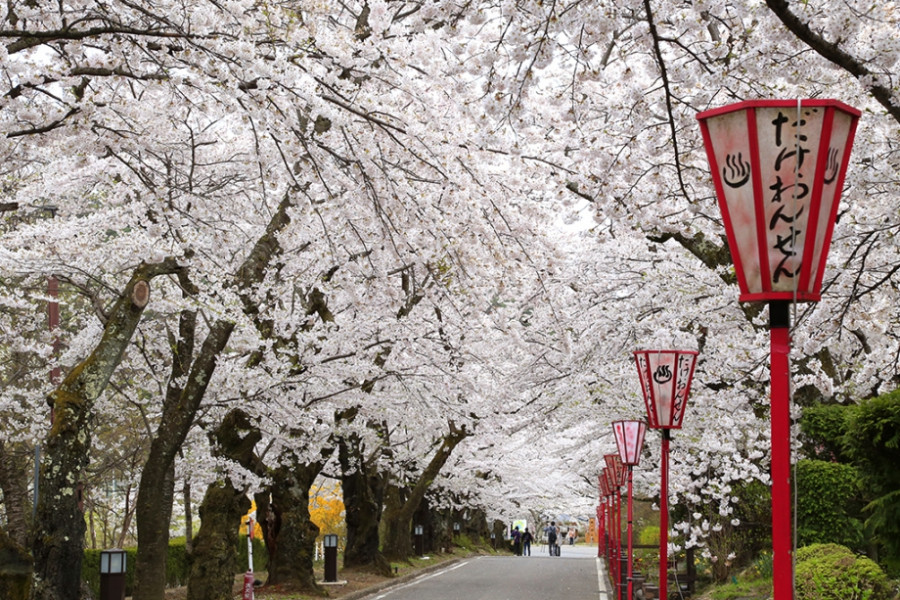
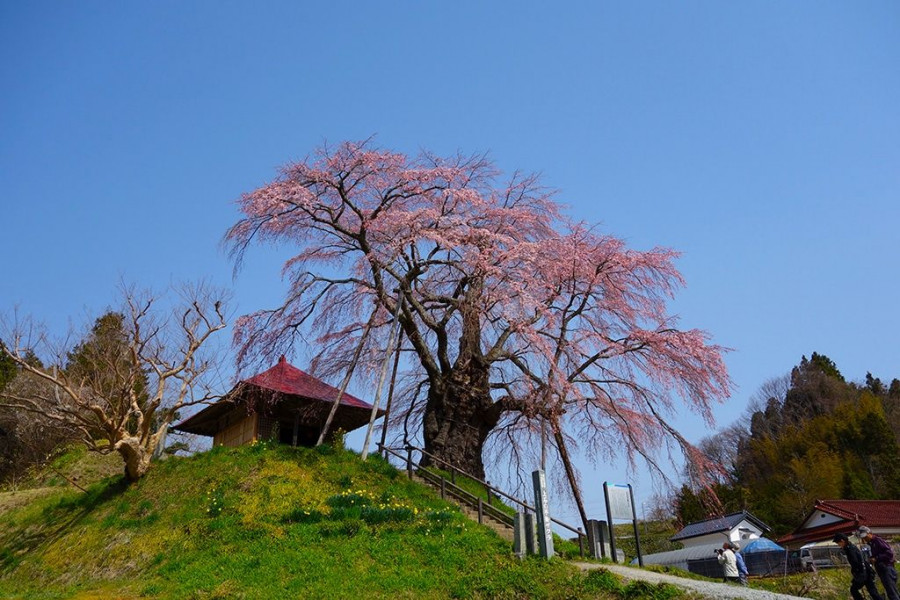
This onsen town is also a popular spot for cherry blossom viewing. The cherry blossom tunnel at Sakura Hill in Dake Onsen – an onsen town located on the periphery of Mt. Adatara – comes into full bloom in mid-April. Visitors are greeted with fantastic views of cherry blossom against a backdrop of Mt Adatara still sprinkled white with the remainder of last winter’s snow.

Venue Details

Venue Details
Websitehttp://www.dakeonsen.or.jp/en/
Contact

Dake Onsen Tourism Association

(+81) 243-24-2310

Best SeasonAll Year
Access Details
Access1-16 Dake Onsen, Nihonmatsu City, Fukushima Pref. 964-0074
View directions
Getting there

By Car: 15 min from the Nihonmatsu I.C. exit off the Tohoku Expressway

By Public Transport: 25 min bus ride from Nihonmatsu Station (on the JR Tohoku Line). Get off the bus at Dake Onsen Bus Stop

Nearby

The World Glassware Hall
Hot Springs

Takayu Onsen

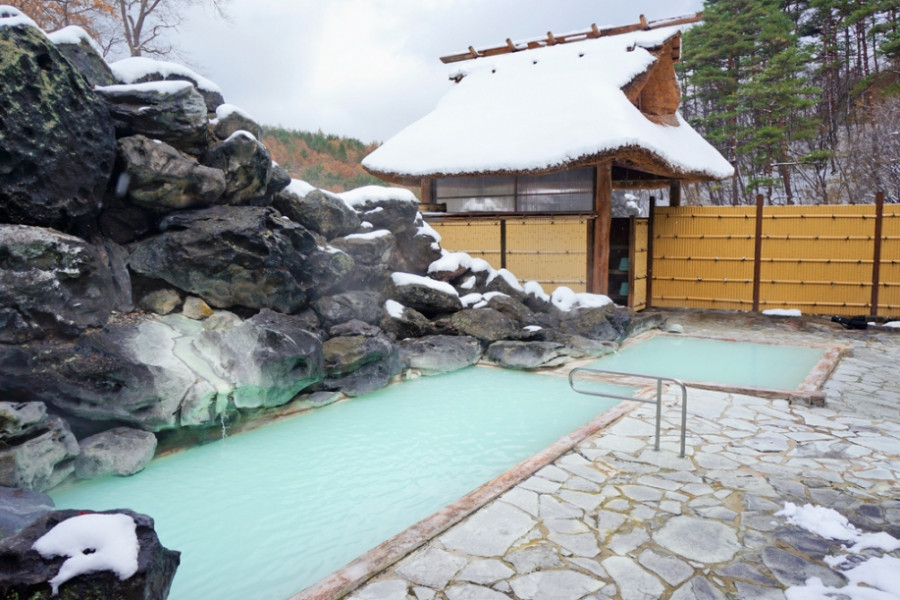
This famous hot spring area is located at an altitude of approximately 750 meters, which is why it’s called 'taka-yu' ('taka' means 'high-up' and 'yu' means 'hot spring'). Located on the slopes of the Azuma mountain range, Takayu Onsen area was once known as “Shinobu Takayu” and, together with Zao Takayu and Shirabu Takayu, prospered as one of three Takayu in what was once known as the northern Ou region. The waters of Takayu Onsen are a bluish milky color and are thought to have healing properties. Most of the resort facilities of the area neither add water nor adjust the temperature in order to maintain the natural allure of the hot spring waters. After bathing in the waters of this spring, your skin becomes almost slippery from the high acidic and hydrogen sulfide makeup. In the Takayu Onsen area, there are 10 natural hot spring sources, with names such as 'Takinoyu', 'Netsuyu', and 'Senkinoyu'. These sources are named after old public baths. In the olden days, bathtubs were built right next to or directly above the hot spring source. Today, the bathing facilities still receive their water flowing directly from the same source. Nowadays, Takayu Onsen consists of about a dozen ryokan (traditional Japanese inns), all offering their unique charm to travelers. You’ll be pleased to note that many of the ryokan open their hot spring baths to non-staying guests for a small fee. The most famous hot spring facility in Takayu Onsen is Tamagoyu, a wooden bathhouse with a traditional feel. There’s even a foot bath in the center of the town open to the public. If public bathing isn’t something you feel comfortable with, many of the onsen facilities in the area also offer private onsen rooms with a rotenburo (open-air bath) available for your own use. It is a relaxing experience unlike any other to soak in the hot waters and feel your worries melt away.
The World Glassware Hall
Hot Springs

Futamata Onsen

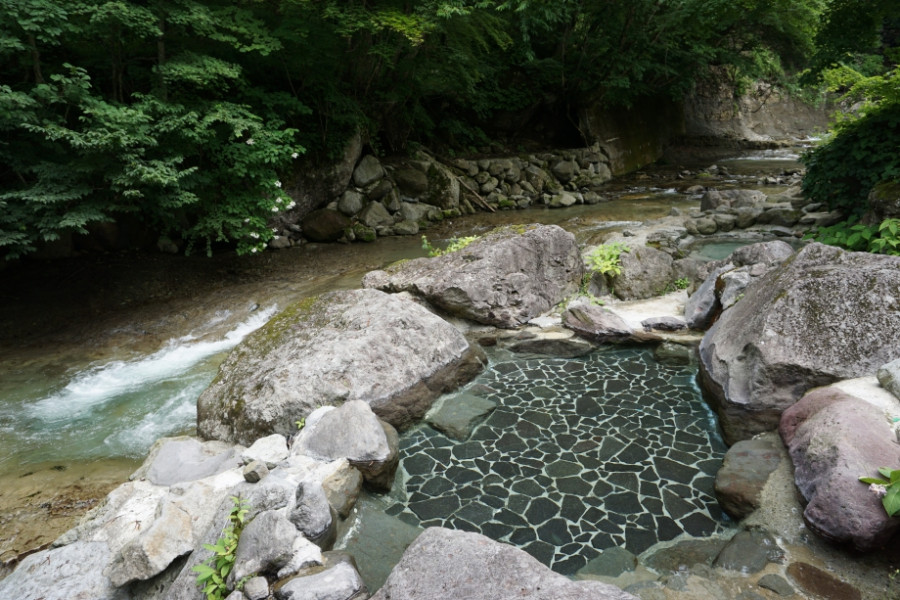
Outdoor hot spring baths line the sides of the valley at the foot of Mt. Futamata. The open-air baths of Futamata Onsen’s ryokan are situated in a very peaceful location, surrounded by ancient forests full of beech trees – all at an altitude of 800 m. Futamata Onsen’s hot spring baths have been used for about 1200 years, and are particularly revered for the hot spring water’s healing properties. What’s more, being close to Ouch-juku, Futamata Onsen is conveniently located for a visit during your trip to Fukushima.

You might also like

Futamata Onsen
Hot Springs

Futamata Onsen

Outdoor hot spring baths line the sides of the valley at the foot of Mt. Futamata. The open-air baths of Futamata Onsen’s ryokan are situated in a very peaceful location, surrounded by ancient forests full of beech trees – all at an altitude of 800 m. Futamata Onsen’s hot spring baths have been used for about 1200 years, and are particularly revered for the hot spring water’s healing properties. What’s more, being close to Ouch-juku, Futamata Onsen is conveniently located for a visit during your trip to Fukushima.

Sabakoyu
Hot Springs

Sabakoyu

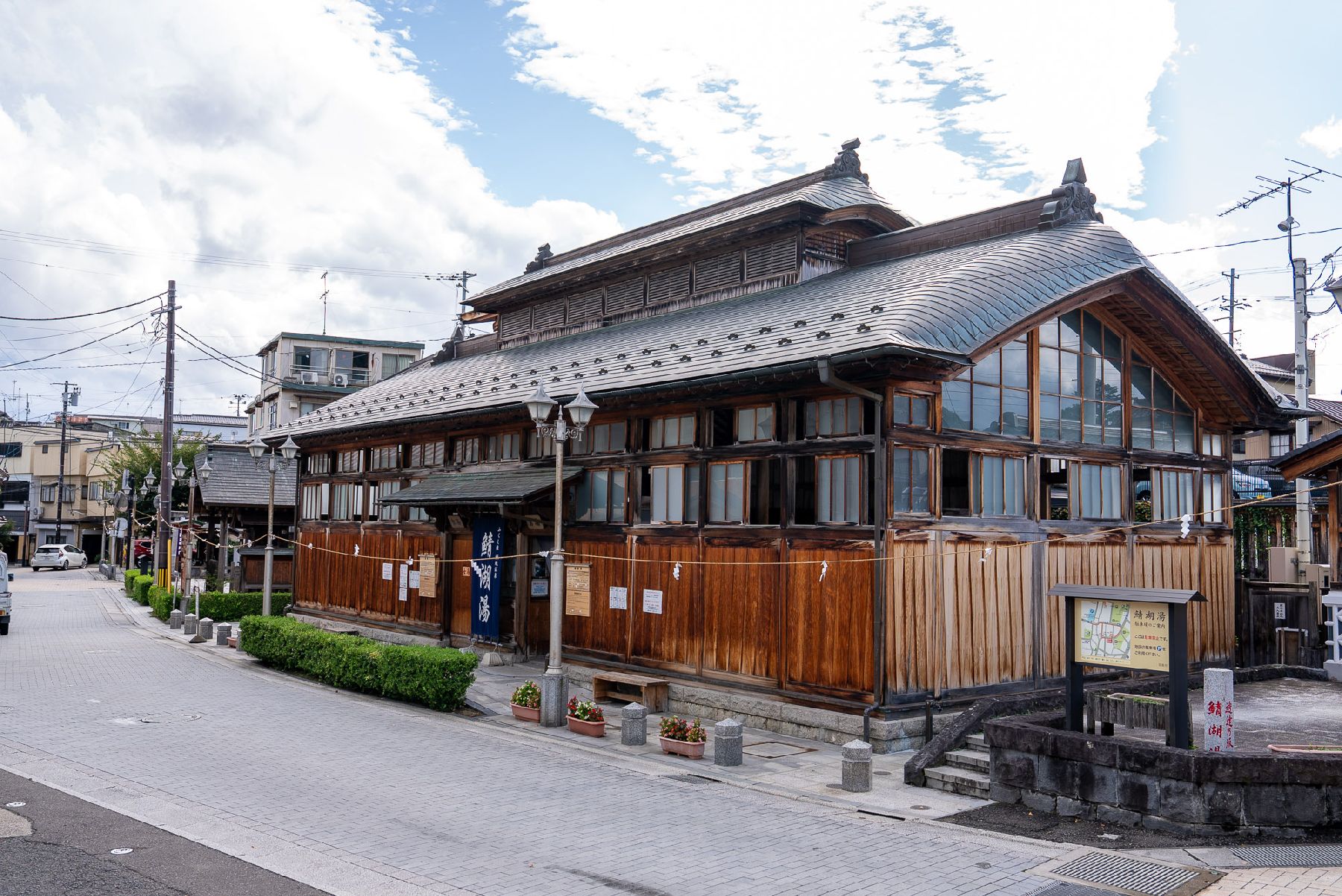
One of the defining sights of the charming Iizaka Onsen resort, the wooden frontage of Sabakoyu was famous for long being Japan's oldest wooden public bathhouse, before being renovated in 1993. The bath facilities are open to the public, giving visitors the chance to enjoy the authentic hot spring water straight from the source. The water here can reach temperatures of up to 50 degrees Celsius, giving it something of a reputation amongst the locals as too hot for first-timers to handle.The bathhouse is closed on Mondays, excepting public holidays. Guests should buy a ticket from the machine inside the entrance, and soap / shampoo are not provided, so bathers should bring their own.

Top