Baryo Park

Baryo Park

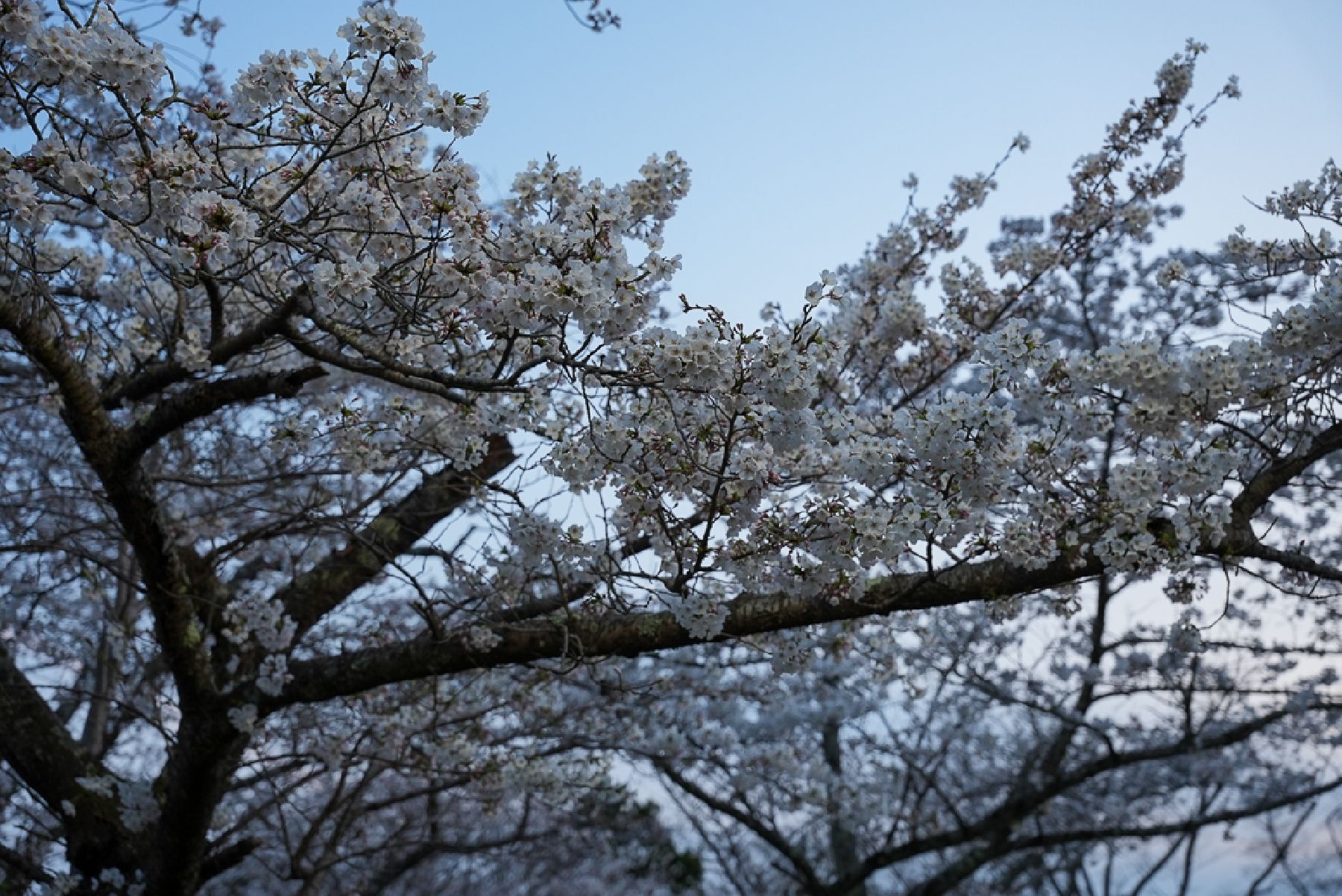
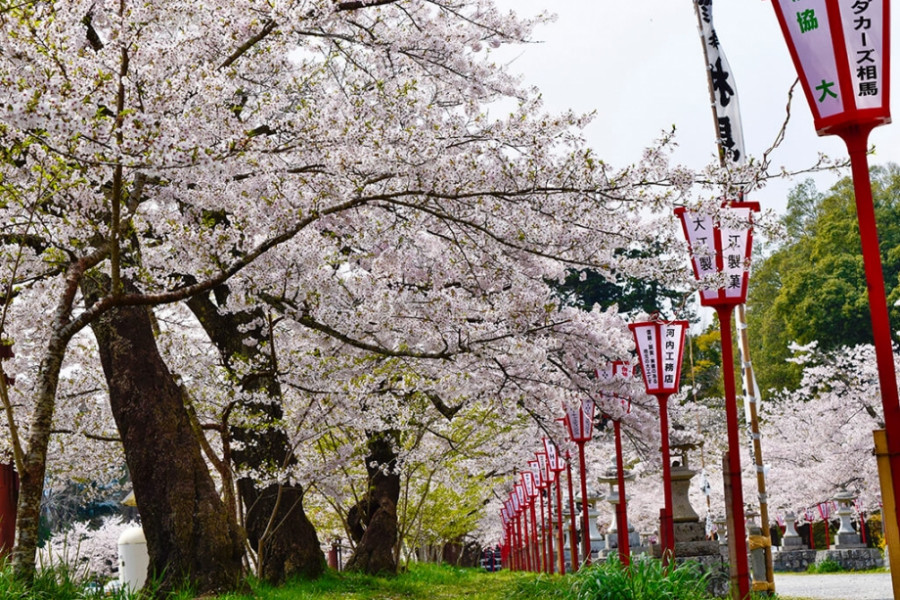
As the park's 630 Somei Yoshino cherry blossom trees bloom simultaneously, it is easy to be swept away by the scenery. You will be able to enjoy the coming of spring as you walk along rows of cherry blossom trees on the sando (a road which runs from the torii gate to the shrine).

Baryo Park is a well-known location for viewing cherry blossoms, and every year from early to mid April the park holds a light-up event at night. We recommend you visit in the evening to see the cherry blossoms illuminated by the lights from the paper lanterns. A good spot for taking pictures is at the bottom of the sando, looking up at the torii.

Soma Nakamura Shrine is connected to the park and is also worth a visit for its tranquil atmosphere and beautiful architecture.

Venue Details

Venue Details
Websitehttps://soma-kanko.jp/(Japanese)
Contact

Soma City Tourism Association

(+81) 244-35-3300

Best Season
  • Spring
ParkingAvailable
Entrance FeeFree
Related infoBest time to see cherry blossoms: Early to Mid April
Access Details
Access140 Kitamachi, Nakamura, Soma City, Fukushima Pref. 976-0042
View directions
Getting there

By Car: 5 min drive from Soma I.C. exit off the Joban Expressway.

Nearby

The World Glassware Hall
History & Culture

Daihisan Stone Buddhas (Daihisan no Sekibutsu)

Estimated to have been carved over 1,000 years ago, the Daihisan Stone Buddhas (大悲山の石仏) are a group of stone-carved Buddhas in Odaka, Minamisoma City, in the coastal area of Fukushima prefecture.The Daihisan Stone Buddhas are made up of three groups of statues: the Yakushido Buddhas (薬師堂石仏), the Amidado Buddha (阿弥陀堂石仏), and the Kannondo Buddha (観音堂石仏). The statues are enshrined in a forest area with many smaller Buddha statues.They are the biggest and oldest stone Buddha statues in the Tohoku area of Japan, and have been designated as a National Historical Site. Their origins, and much of their history, however, remain unknown, although they are presumed to have been built sometime during the Heian period of Japanese history, which goes from 794 to 1185.In front of the entrance to the Yakushido Buddhas is a 45 meter high cedar tree known as Daihisan’s Giant Japanese Cedar Tree. The tree has a circumference of 8.4 meters at eye level, and is one of the largest trees in Fukushima prefecture, also estimated to be over 1,000 years old. It is designated as a Natural Monument of Fukushima Prefecture.

The World Glassware Hall
Nature & Scenery

Shioyazaki Lighthouse

Shioyazaki Lighthouse (塩屋崎灯台) stands on the Usuiso Coast of Iwaki City in eastern Fukushima. Now a historical landmark, the lighthouse was first erected in 1899. Despite having sustained considerable damage from natural disasters over the years, including the 2011 tsunami, the lighthouse has been rebuilt and restored and now enjoys great popularity. Many visitors climb to the top to enjoy its stunning views of the ocean.It was counted among the 50 best lighthouses in Japan. Consider visiting during sunset: seeing the ocean bathed in the beautiful afternoon light is the perfect way to end the day.

You might also like

Nijuisseiki-no-Mori Park (21st Century Forest Park)
Nature & Scenery

Nijuisseiki-no-Mori Park (21st Century Forest Park)

Stretching over more than 80 hectares, Nijuisseiki-no-Mori Park (二十一世紀の森公園) is a true haven for recreation; complete with a tennis court, a baseball stadium, a skateboard park, and a family sports garden, as well as a variety of flower fields, trees and shrubs.21st Century Forest Park is also a popular cherry blossom spot: it has both early-blooming Kawazu-sakura (which mostly bloom mid-February to mid-March) as well as Somei Yoshino cherry blossom trees (which typically bloom sometime between early to mid-April).During winter each year illumination events are held in the park, and, during autumn, the bright colored leaves attract plenty of visitors. During the summer, sunflowers and rapeseed flowers bloom, so the park truly offers ways to enjoy nature all year round.

Shirahata Gingko Tree
Nature & Scenery

Shirahata Gingko Tree

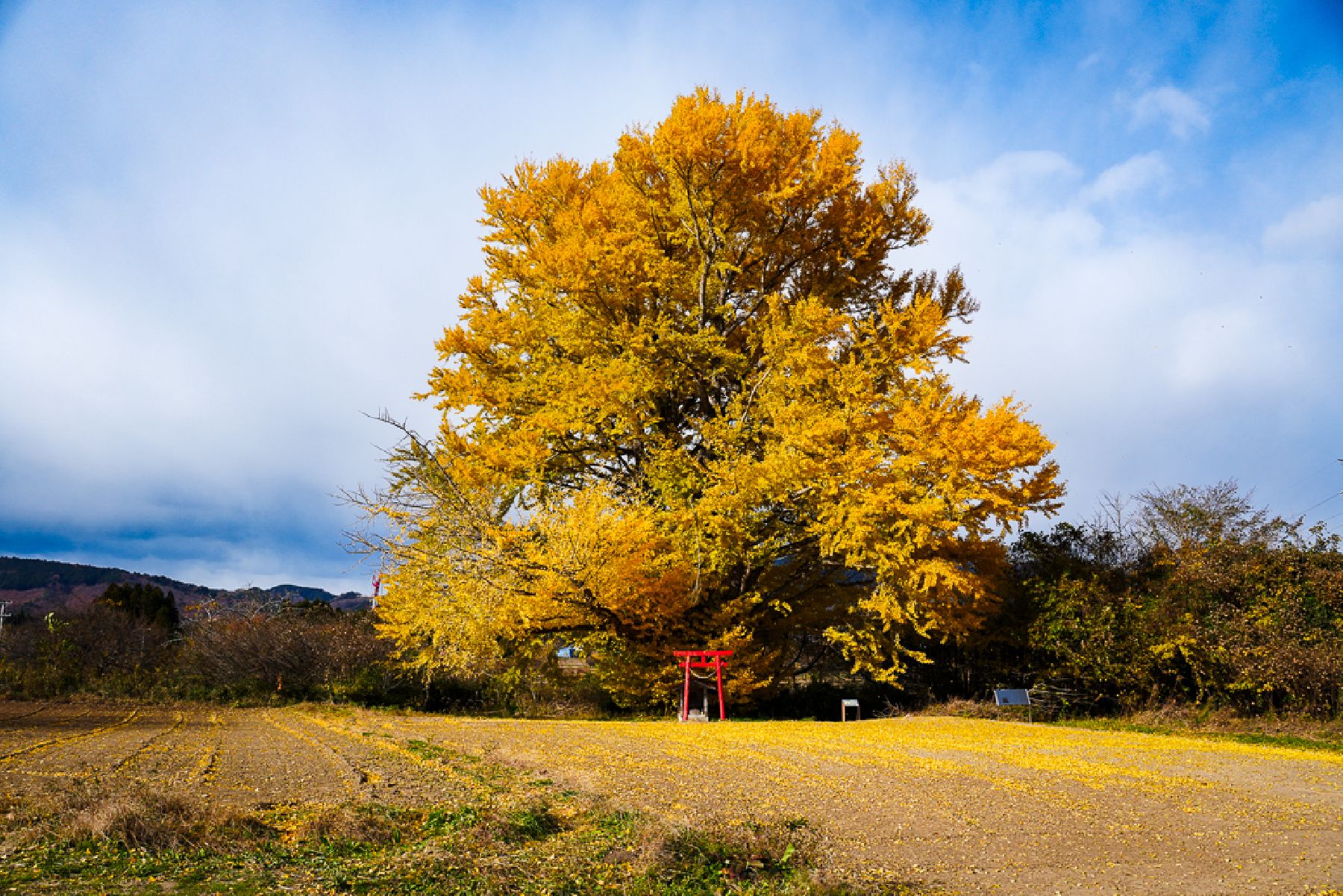
Listed as a prefectural natural monument, the striking sight of the red torii gate at the foot of Shirahata Gingko Tree brings photographers and sightseers from up and down the eastern coast of Tohoku.It's also known as the 'upside-down gingko', owing to a legend that warlord Date Masamune planted a gingko whip upside down in the ground during an attack on Shinchi in the late 1500s. The best time to see the vibrant yellow leaves is usually the last week of November or first week of December.Although there is no parking lot specifically, there is space for cars to park on the green within sight of the tree.

Nakakamado Maple Tree
Nature & Scenery

Nakakamado Maple Tree

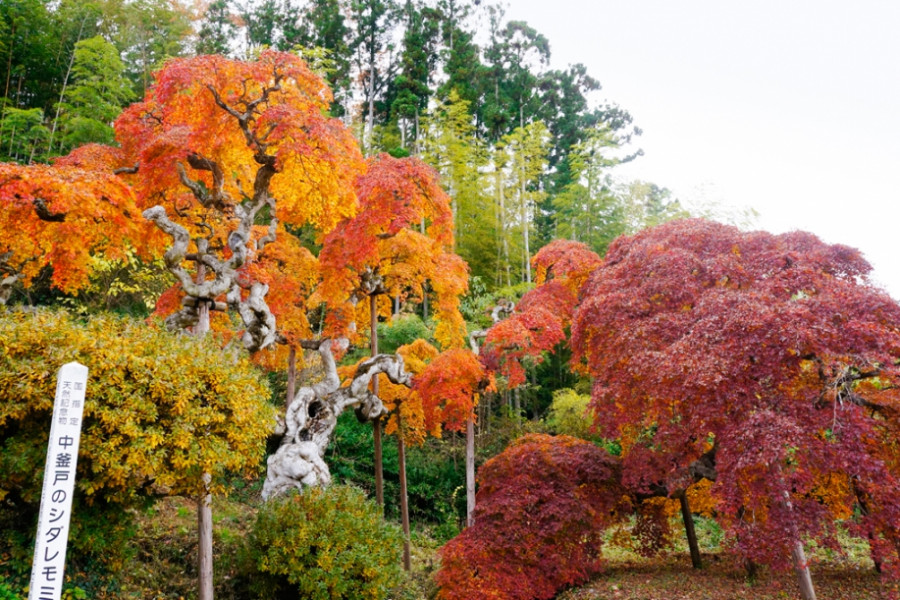
Nakakamado is a very uniquely-shaped maple tree. This incredible tree – designated as a Natural Monument – looks like an open umbrella, and has 3 m of roots that protrude out of the ground. If visiting during autumn-leaf season, it’s best to plan your trip for mid to late-November. That being said, Nakakamado can be enjoyed through each of the four seasons – visitors can appreciate the fresh green leaves that cover it in spring, and the very unusual shape of the branches after the autumn leaves fall.  

Top