Baryo Park

Baryo Park

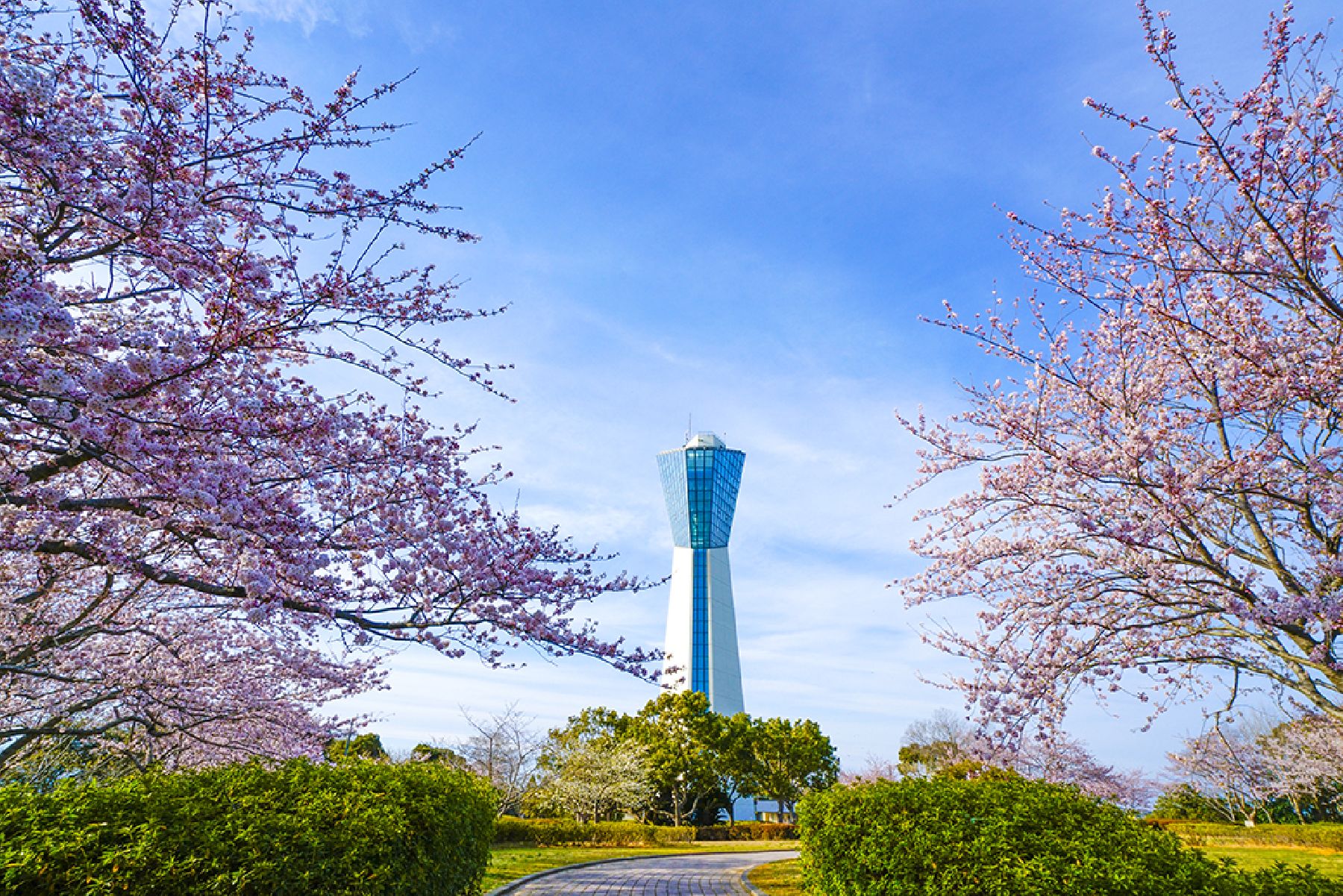
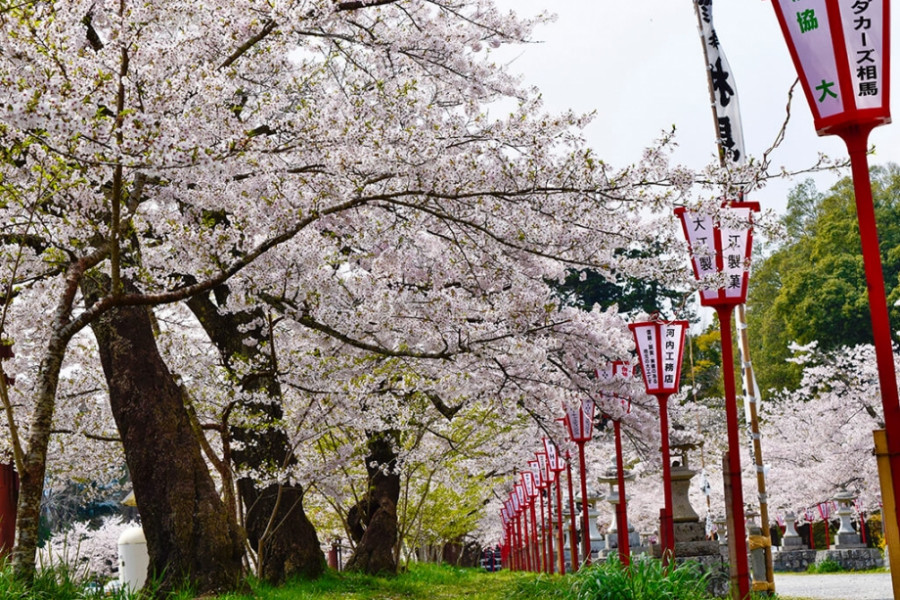
As the park's 630 Somei Yoshino cherry blossom trees bloom simultaneously, it is easy to be swept away by the scenery. You will be able to enjoy the coming of spring as you walk along rows of cherry blossom trees on the sando (a road which runs from the torii gate to the shrine).

Baryo Park is a well-known location for viewing cherry blossoms, and every year from early to mid April the park holds a light-up event at night. We recommend you visit in the evening to see the cherry blossoms illuminated by the lights from the paper lanterns. A good spot for taking pictures is at the bottom of the sando, looking up at the torii.

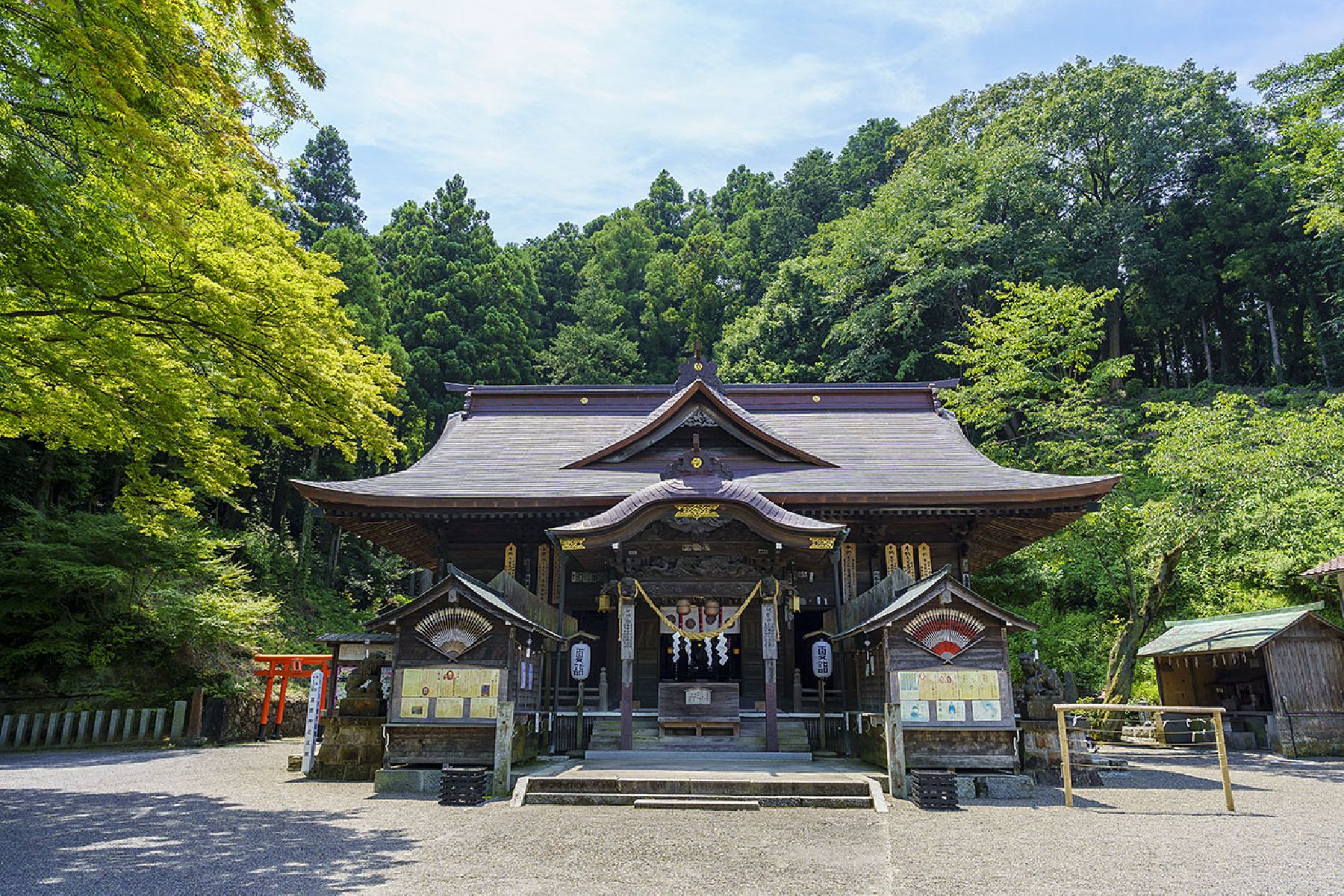
Soma Nakamura Shrine is connected to the park and is also worth a visit for its tranquil atmosphere and beautiful architecture.

Venue Details

Venue Details
Websitehttps://soma-kanko.jp/(Japanese)
Contact

Soma City Tourism Association

(+81) 244-35-3300

Best Season
  • Spring
ParkingAvailable
Entrance FeeFree
Related infoBest time to see cherry blossoms: Early to Mid April
Access Details
Access140 Kitamachi, Nakamura, Soma City, Fukushima Pref. 976-0042
View directions
Getting there

By Car: 5 min drive from Soma I.C. exit off the Joban Expressway.

Nearby

The World Glassware Hall
Museums & Galleries

Iwaki City Coal & Fossil Museum (Horuru)

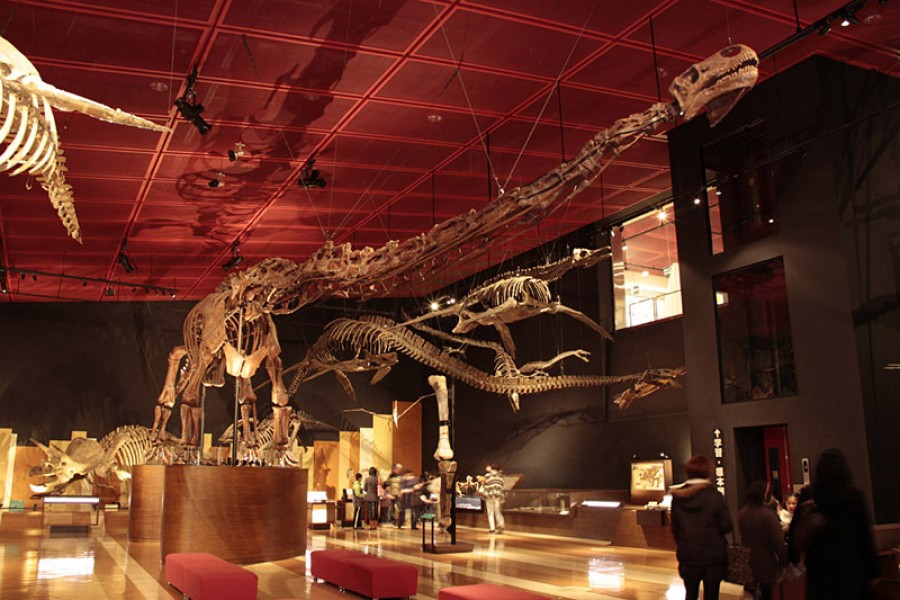
Lovingly referred to as 'Horuru' by locals, Iwaki City Coal & Fossil Museum is home to exhibitions on the city's history of coal mining. Horuru also exhibits a range of fossils, including the locally-excavated Plesiosaur Futabasaurus, which was discovered by a high school student. There are also some hands-on experiences to try out, such as making your own amber accessories. Horuru is accessible on foot from Iwaki Yumoto Onsen town, and is a great addition to any trip to the Iwaki area.

The World Glassware Hall
Gourmet & Shopping

Full House Book Cafe

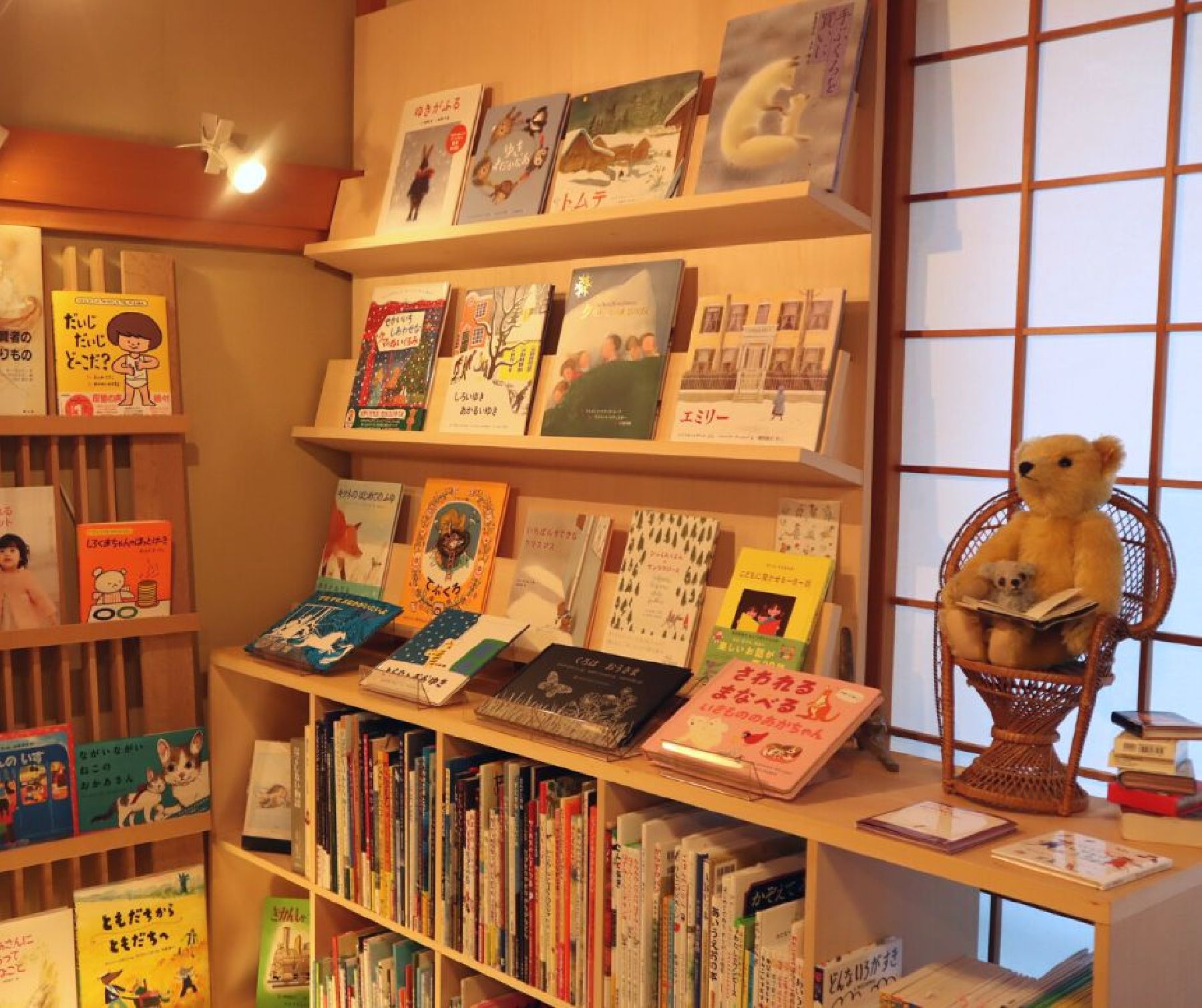
Full House is a stylish bookstore and cafe run by the critically-acclaimed novelist Yu Miri. It is located near the JR Odaka Station in Minamisoma City, in the coastal area of Fukushima prefecture.Full House is located on the ground floor of a refurbished house. The interior is wooden and elegant, and there is a selection of books in Japanese chosen by the author. The cafe serves meals like pasta and doria, as well as desserts and drinks with seasonal options.Yu Miri is famously known for her novel Tokyo Ueno Station (translated into English by Morgan Giles), which won the U.S. National Book Award in the Translated Literature category in 2019.Following 3.11, Ms. Miri has worked extensively to communicate the stories of residents of evacuated towns and villages in Fukushima’s coastal area, and has been living in Minamisoma City since 2015.When Ms. Miri moved to Minamisoma, there were no other bookstores open in the area —the few bookstores that had been there before 3.11 had closed following the evacuation—, so she decided to open her own in 2018, and named it ‘Full House’ after one of her novels.But something was missing. She quickly realized that people who traveled all the way to visit the store wanted to sit down with a warm drink, and there weren’t many restaurants or cafes nearby yet, so she decided to turn Full House into a book cafe the following year.Today, Full House is a lively and cozy hub where locals and visitors can bond over their love of coffee and literature.
The World Glassware Hall
Gourmet & Shopping

Namie Roadside Station

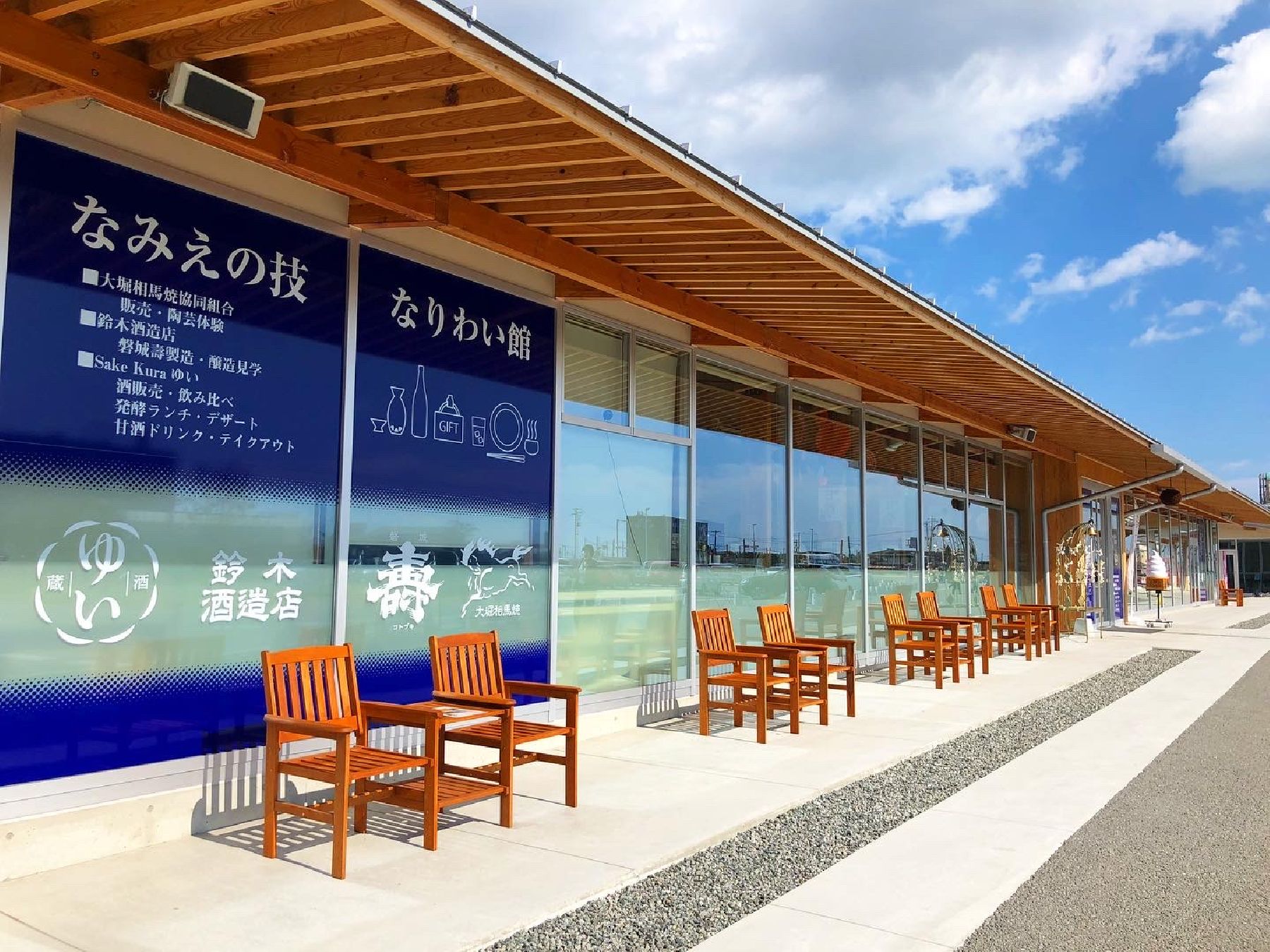
Namie Town was once a bustling seaside town that was famous for their unique style of pottery and the large number of artisans in town. Along the coast the Suzuki Brewery created delicious local sake.After the Great East Japan Earthquake and Tsunami of 2011 and the following accident at the Fukushima Daiichi Nuclear Power Plant, the residents of Namie Town were forced to evacuate their town. Nearly all of the buildings close to the coastline were destroyed by the enormous tsunami wave, many lives were lost. When it became clear that evacuees would not be able to return to their homes, people were deeply saddened at the devastating loss of many of the neighbors, their homes and their hometown culture. As residents settled in other areas of Fukushima and continued their lives, many believed that the rich culture of the town that had been created for generation would be lost.However, people of Namie Town chose to fight to preserve the rich culture and traditions of their hometown. So, the Namie Roadside Station was created to do just that. Here visitors can learn about the unique style of pottery that originated in Namie Town, shop the collections of several Namie Town artisans, and even try a pottery class!The Namie Roadside Station is also the new home of the Suzuki Brewery that was formerly located at the Namie Town seaside before it was destroyed by the tsunami wave. The head brewer was able to evacuate, and has been continued the same brewing methods that were developed in Namie TownBy visiting the Namie Roadside Station you can support the preservation of the culture of this unique seaside town! You can also shop the wares of many locals who were affected by the disaster but nevertheless work hard to preserve their hometown culture.

You might also like

Nanohana Flower Fields and Mazes
Nature & Scenery

Nanohana Flower Fields and Mazes

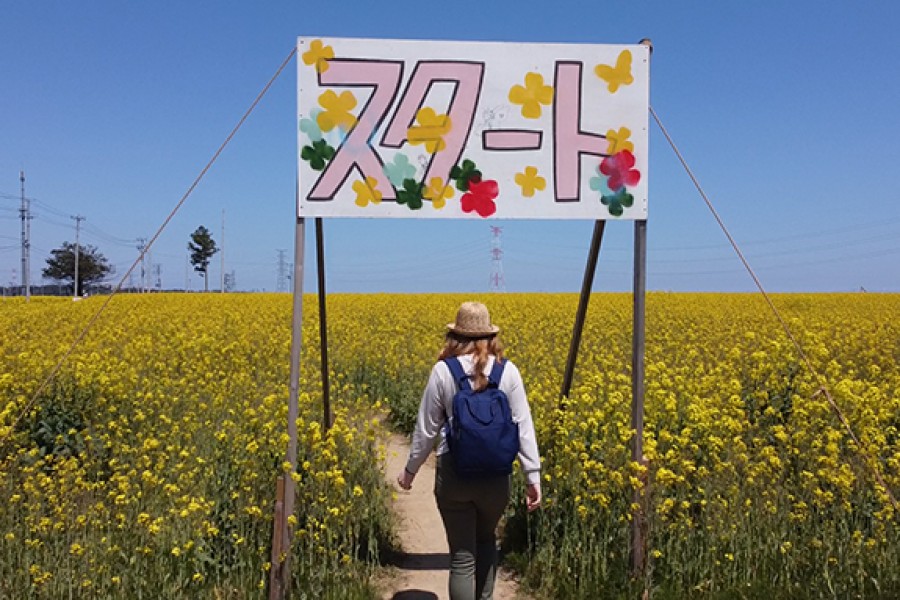
A massive field of nanohana flowers that first bloomed in Spring 2012, bringing great joy to the community. Since 2013 to today, huge flower fields and mazes are organized for the public to come and enjoy entirely for free. Children can receive prizes for completing the maze and visitors of all ages are encouraged to walk through the maze and have fun. Takayuki Ueno is a local farmer and creator of the Nanohana Flower Maze, planting the first flowers here in November 2011; eight months after the Great East Japan Earthquake. Click here to read more about his inspiring story.

Top