Azuma Orchard

Azuma Orchard

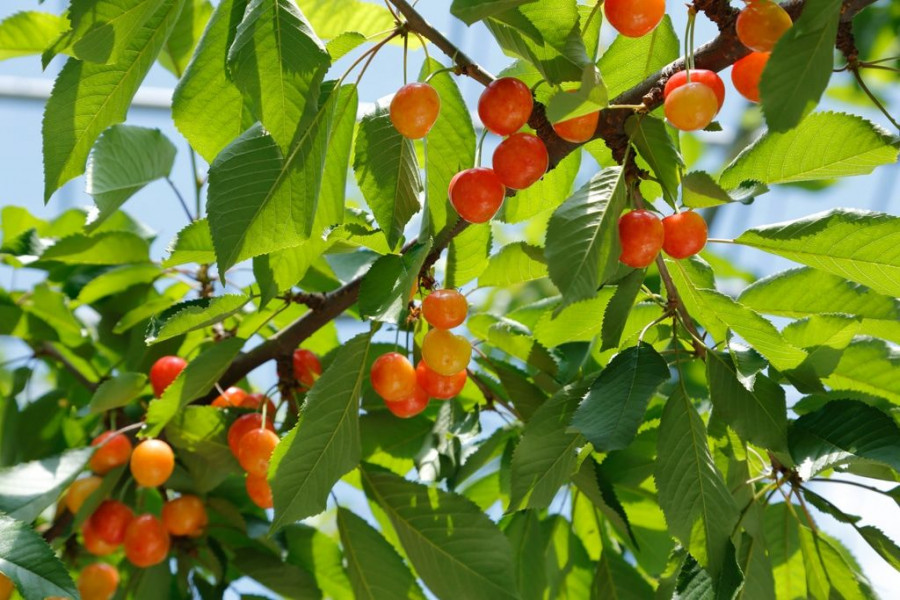
Azuma Orchard is located along the Fruit Line (a road in Fukushima City which is surrounded by orchards). Here visitors can pick their own fruit, such as cherries from early June, peaches from mid-July, nashi (Japanese pears) and grapes from early September, and apples from October.

The grounds of Azuma Orchard include a shop which has been recently renovated. Visitors can also enjoy soft-serve ice-cream in a range of seasonal flavors.

Venue Details

Venue Details
Websitehttp://blog.goo.ne.jp/adumakajyu(Japanese)
Contact

Azuma Orchard

(+81) 24-525-1460

Best Season
  • Summer
  • Autumn
Opening Hours

8:00 AM - 5:00 PM

Open every day in season (mid-June to early-December)

ParkingParking for 13 buses, and 30 cars available
Related info<b><u>Costs for Fruit picking (30 minutes)</b></u>

Cherries:
Adults (junior high school students and above) 1,365 yen
Children (From 4 to 11 years old) 1,050 yen

Peaches and Grapes:
Adults 840 yen
Children 630 yen

Nashi and Apples:
Adults 525 yen, Children 420 yen

Prices include tax
Access Details
Access1-13 Hirano Nishihara, Iizaka, Fukushima City, Fukushima Pref.
View directions
Getting there

By Train: At JR Fukushima Station, transfer to the Fukushima Kotsu Iizaka Line, get off at Hirano Station, then walk for 30 minutes.

By Car: 10 min drive from Fukushima Iizaka I.C. exit off the Tohoku Expressway.

Nearby

The World Glassware Hall
Nature & Scenery

Kashi-Ohashi Bridge

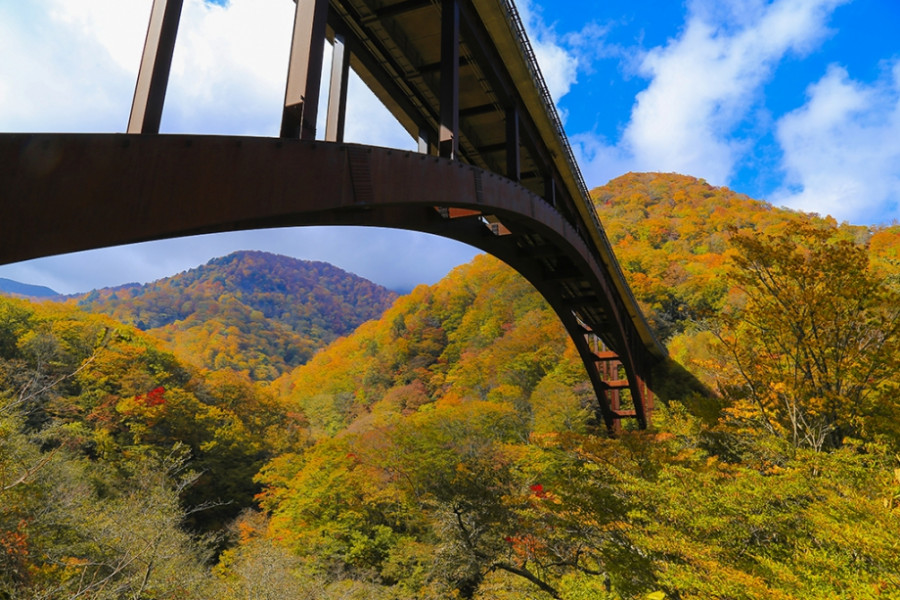
Nishigo Village is truly blessed with breathtaking scenery and view spots, such as Kashi-Ohashi Bridge.Kashi-Ohashi Bridge stretches for 199 m against a backdrop of mountains, colored with fresh spring greenery or bright red leaves, depending on the season. Home to the water source of the Abukuma River, and filled with primeval forest trees, the beauty of Nishigo Village area was even praised by the feudal lord Matsudaira Sadanobu in centuries gone by. A bridle path has been constructed near Kashi-Ohashi Bridge, and lots of hikers come to visit every summer and autumn.

The World Glassware Hall
History & Culture

Komine Castle

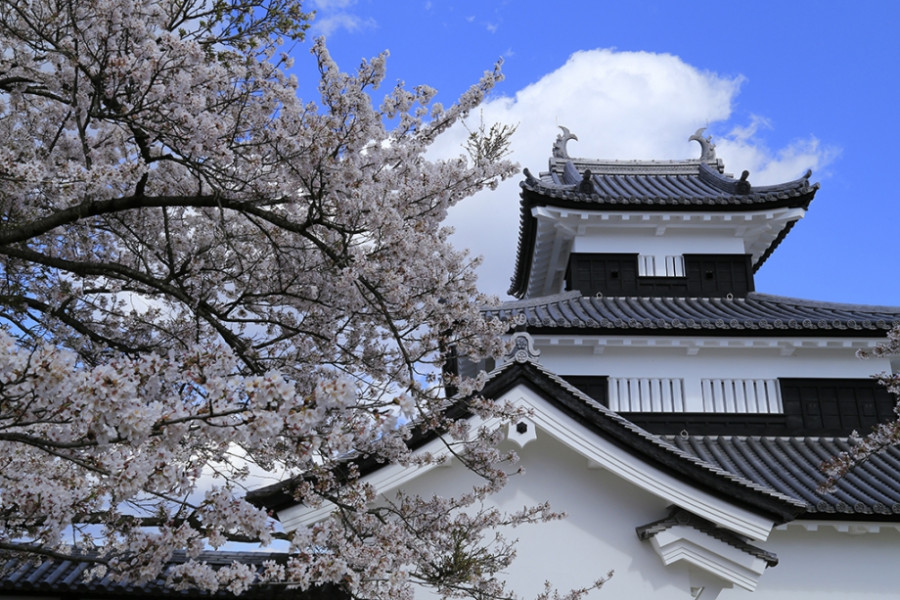
Shirakawa Castle (Komine Castle) was heavily damaged during the Boshin War (also known as the Meiji Restoration), and was restored in the 1990s.Komine Castle's restoration marked the first time in over 120 years that a restoration had been attempted on a triple turret (yagura) structure. Blueprints from the late Edo Period were used as references for the repair of this structure.As a result of using these blueprints, it was possible to restore the castle almost exclusively using wood construction techniques. This amazing architecture, along with the extraordinary techniques used to make the stone wall around the castle, make this castle extremely special. There is also an exhibition hall on site.

The World Glassware Hall
Nature & Scenery

Sukagawa Botan-en Peony Garden

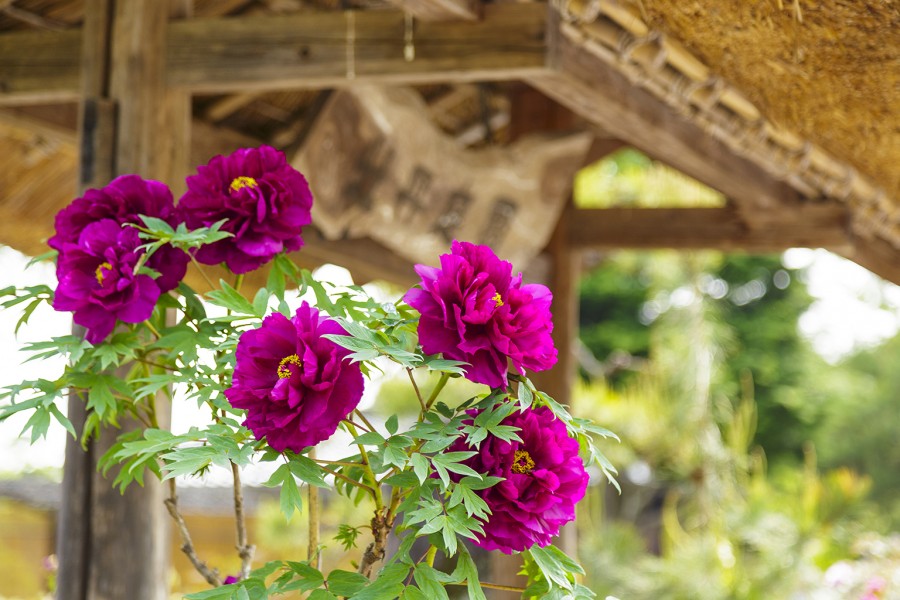
This peony garden is three times the size of Tokyo Dome, and has 290 varieties of peony, totalling 7,000 flowers. Key features of Sukagawa Botan-en Peony Garden include its 200 year-old peony plants, the 'Showa-no-yume' variety of peony unique to Sukagawa City, and a rare 'Toryo' Chinese peony presented by a representative from Luoyang, Sukagawa's sister-city in China. The deep purple of the Japanese peonies that grow in the garden are also very popular. Volunteer guides are ready to show visitors around the park for not extra charge. The Sukagawa Peony Garden is the only such garden in Japan to be designated as a Spot of Natural Beauty by the Japanese government. As well as peonies, the garden also boasts flowers such as roses, and Japanese irises, which are in bloom until the end of June. Peak viewing season for peonies is from late April to mid-May.  

The World Glassware Hall
Museums & Galleries

Iino UFO Museum

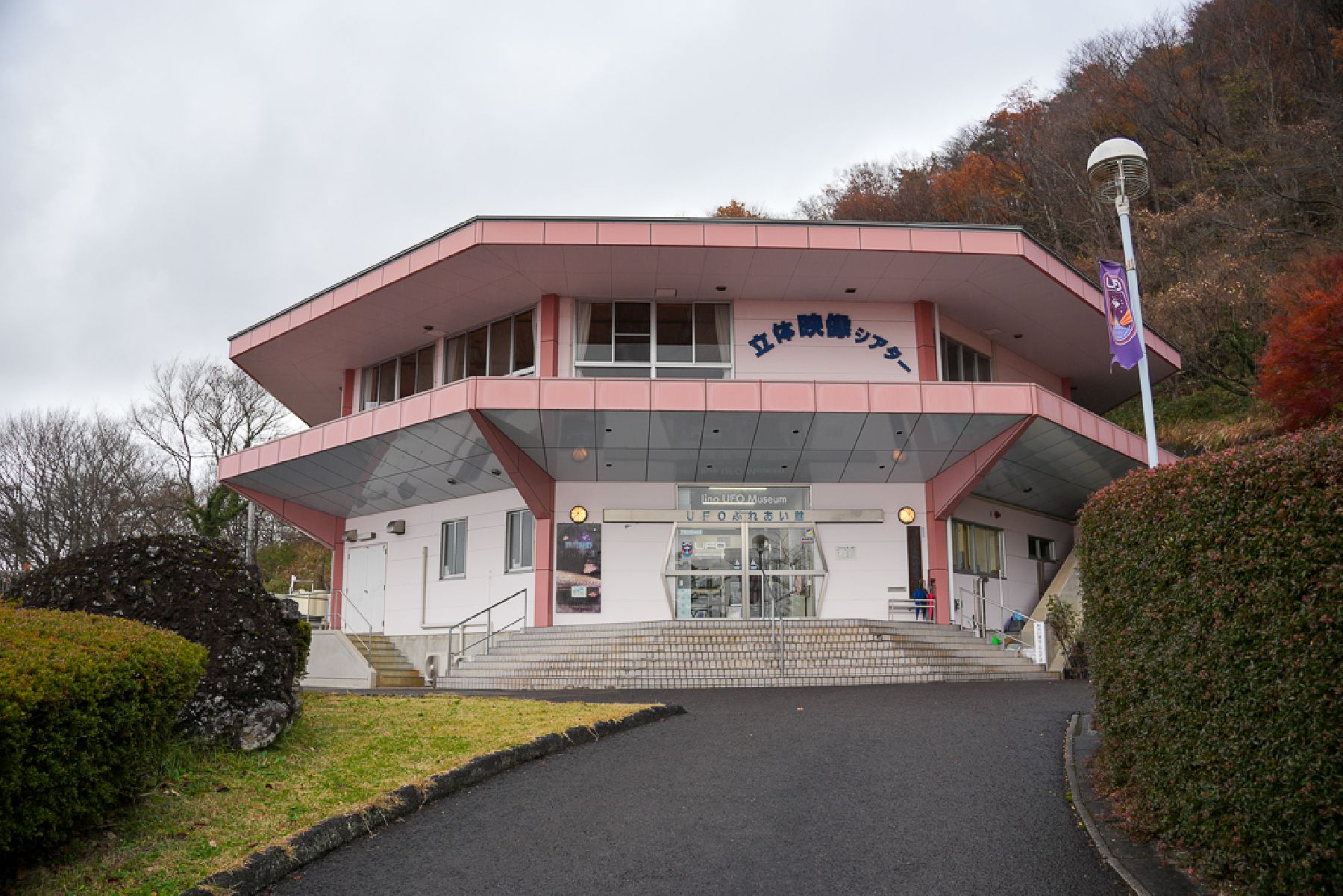
Iino is known as the 'UFO no Sato' (UFO Village) for its track record of sightings of luminous or unexplained flying objects. The UFO Museum tracks some of that history, as well as the wider history of UFO sightings worldwide featuring photographs and historical documents.There are also speculative models of possible extraterrestrial life and their spaceships, and a 3D cinema showing a short film exploring the mysteries of the local area.The second floor of the building features relaxation rooms and a public bath.Across from the museum, there is a souvenir store with alien-themed merchandise, in addition to a ramen restaurant with a similarly-themed menu.Please be aware that most displays are in Japanese with only sporadic English.

You might also like

Niida Honke Sake Brewery
Gourmet & Shopping

Niida Honke Sake Brewery

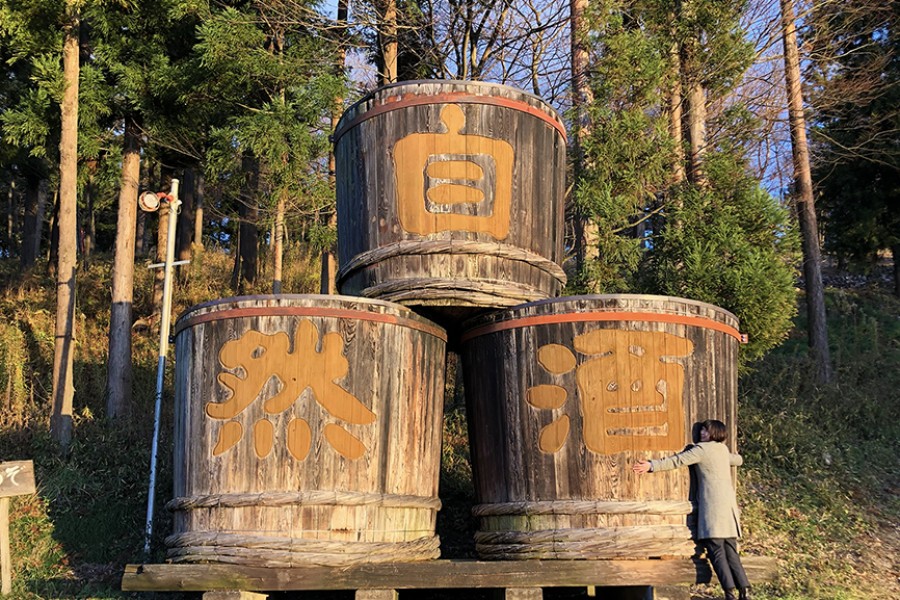
Located in the sleepy village of Tamura-machi, and surrounded by sprawling rice fields is the Niida-Honke brewery. Since its founding in 1711, Niida Honke has seen eighteen generations of head brewers, each bringing their own personality and subtle changes to the company and its sake. The current head brewer is Yasuhiko Niida, an incredibly nice person with an awe inspiring passion for making Sake.Under Mr. Niida’s supervision, Niida Honke has seen many changes. In 2011 the brewery celebrated its 300th anniversary and the achievement of using 100% natural rice in its brewing process. Unfortunately, this was the same year as the Great East Japan Earthquake and the following nuclear disaster. Despite the difficulties, Niida Honke worked hard to return the health of the rice fields.After the fields were cleaned and returned to their healthy status, a decision was made to move the company into a more sustainable and natural direction with the goal of creating its sake with 100% natural and organic ingredients. They currently grow much of the rice used to create their sake in the fields that surround the brewery. Working with local farmers to create healthy, high quality rice that is grown without the use of pesticides or harmful chemicals.In the future Niida Honke aims to brew all of its sake in natural wooden tanks, switch entirely to solar power, and grow 100% of its own rice. For each bottle that you buy, Niida Honke takes one step closer to these goals.Read more about the sake brewing process at Niida Honke!
Michi-no-Eki Fukushima (Roadside Stop)
Gourmet & Shopping

Michi-no-Eki Fukushima (Roadside Stop)

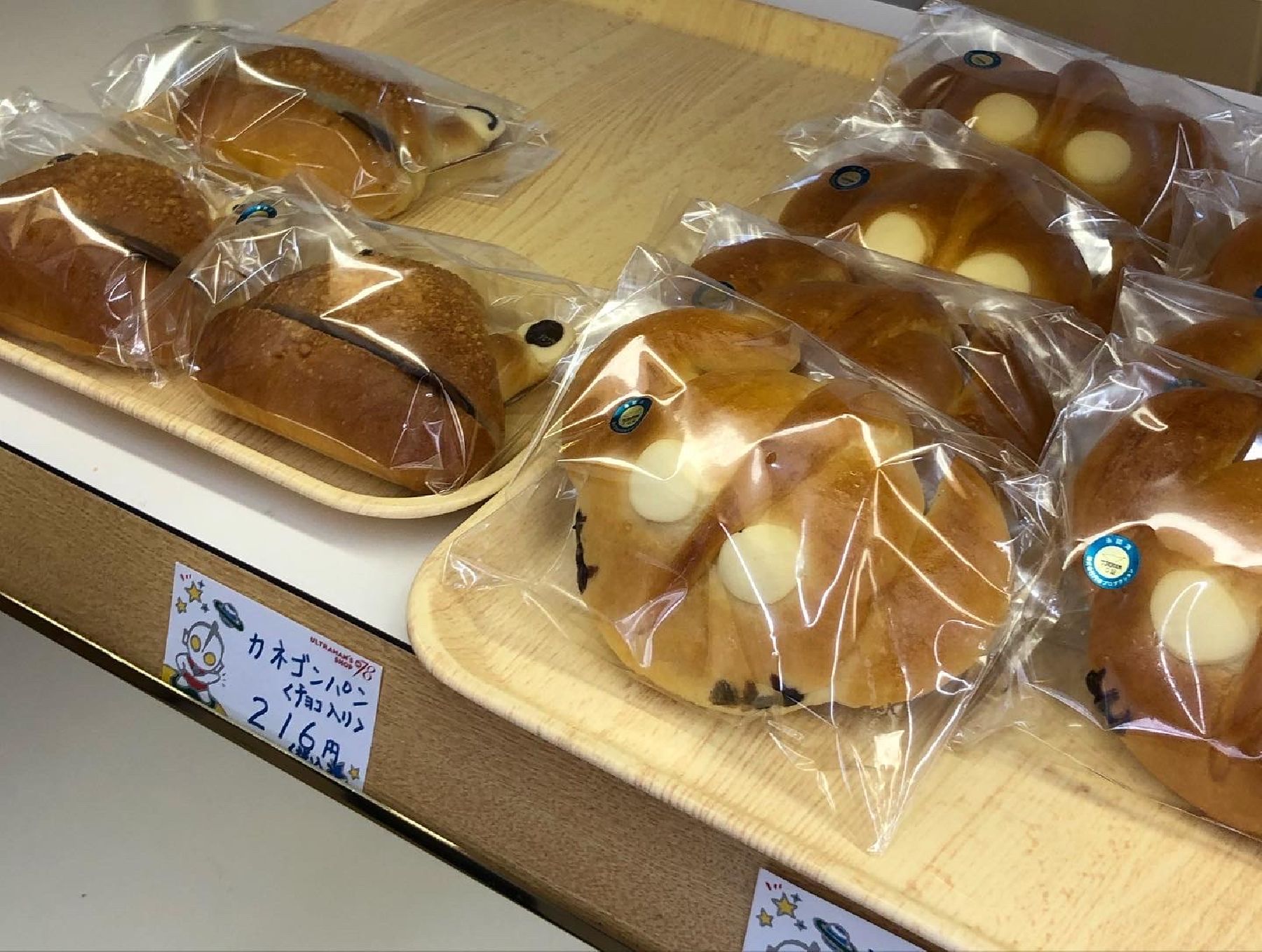
Newly opened in 2022, Michi-no-Eki Fukushima (道の駅ふくしま)is a great place to buy local produce, souvenirs, and eat delicious Fukushima foods! Or even just to pause for a break along your road trip.It is located near the Fukushima Fruit line, so you’ll find a good assortment of delicious fresh fruit on display. You can also go fruit-picking to the nearby orchards using the rental bicycles available.Click here for more information on fruit picking in Fukushima!There is a dog park and an indoor play area for children called Momo Rabi Kids Park, which has many cute wooden toys and structures for children to play at as well as an indoor sandpit.We recommend trying the unusual ice-cream flavors at ‘yukiusagi’, a sweets shop that sells delicious parfaits and desserts using local produce. They sell rice-flavored ice-cream, as well as a special flavor called “Fukushima’s Sky Milk”(ふくしまの空ミルク), which has a salty milk flavor! 

TATAMI VILLAGE
Gourmet & Shopping

TATAMI VILLAGE

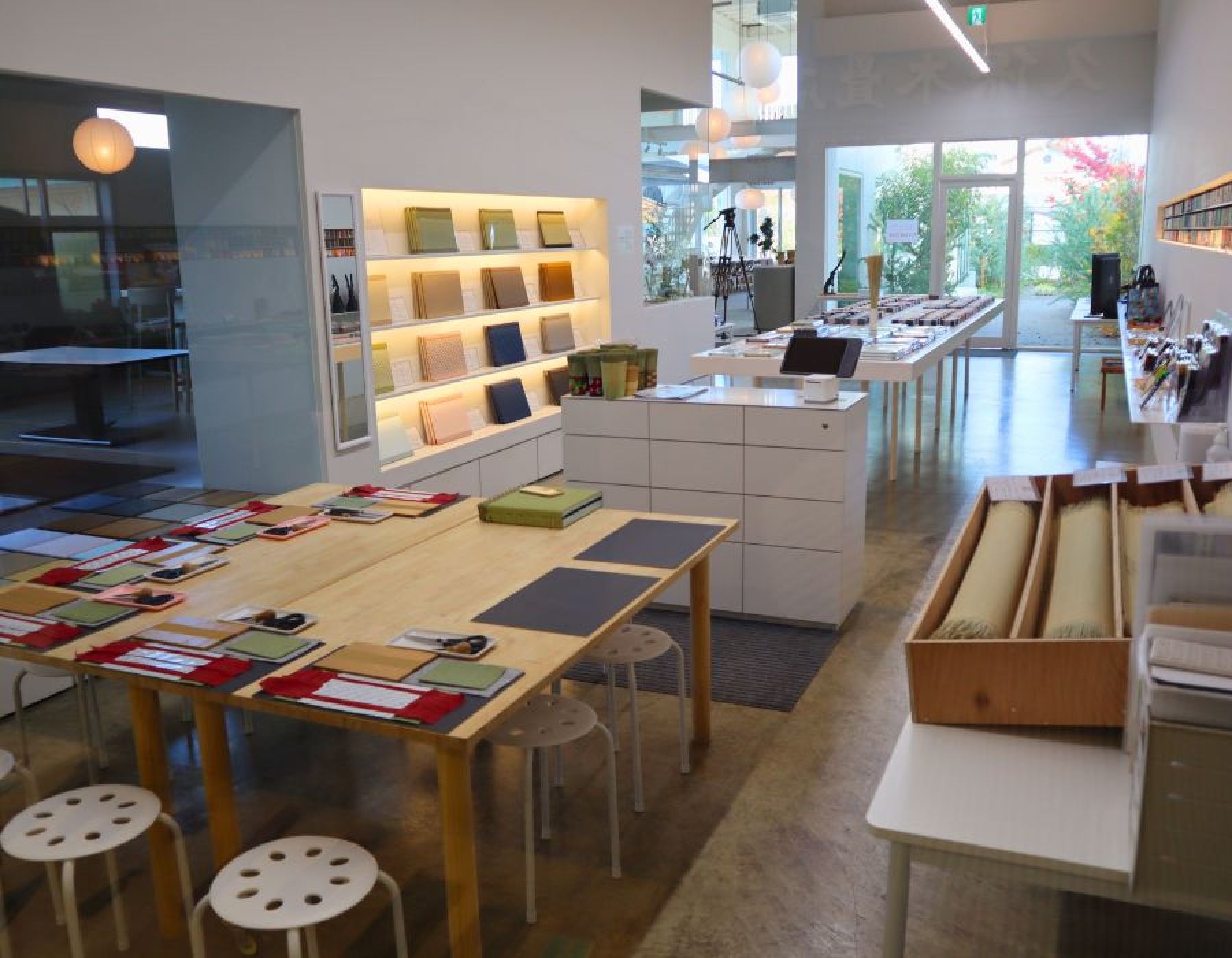
TATAMI VILLAGE (Kuboki Tatami Shop) is a shop, cafe, and workshop in Sukagawa City in Southern Fukushima prefecture. The Kuboki Tatami business was founded in 1740 in Sukagawa and is currently run by the 15th generation of the same family. ‘Tatami’ is a kind of woven mat made with rush grass frequently used as flooring in traditional Japanese-style rooms. Kuboki Tatami is not only dedicated to flooring, but also makes tatami coasters, smartphone mats, and accessories made with tatami-heri (a kind of ribbon used to fasten the sides of a tatami mat).At Tatami Village, visitors can make a tatami coaster or a pouch made of tatami-heri. Both experiences take approximately 30 minutes to complete. Additionally, the cafe on site serves matcha and seasonal sweets, and features a modern, bright space that uses tatami elegantly.

Top