Aizu Painted Candle Festival

Aizu Painted Candle Festival

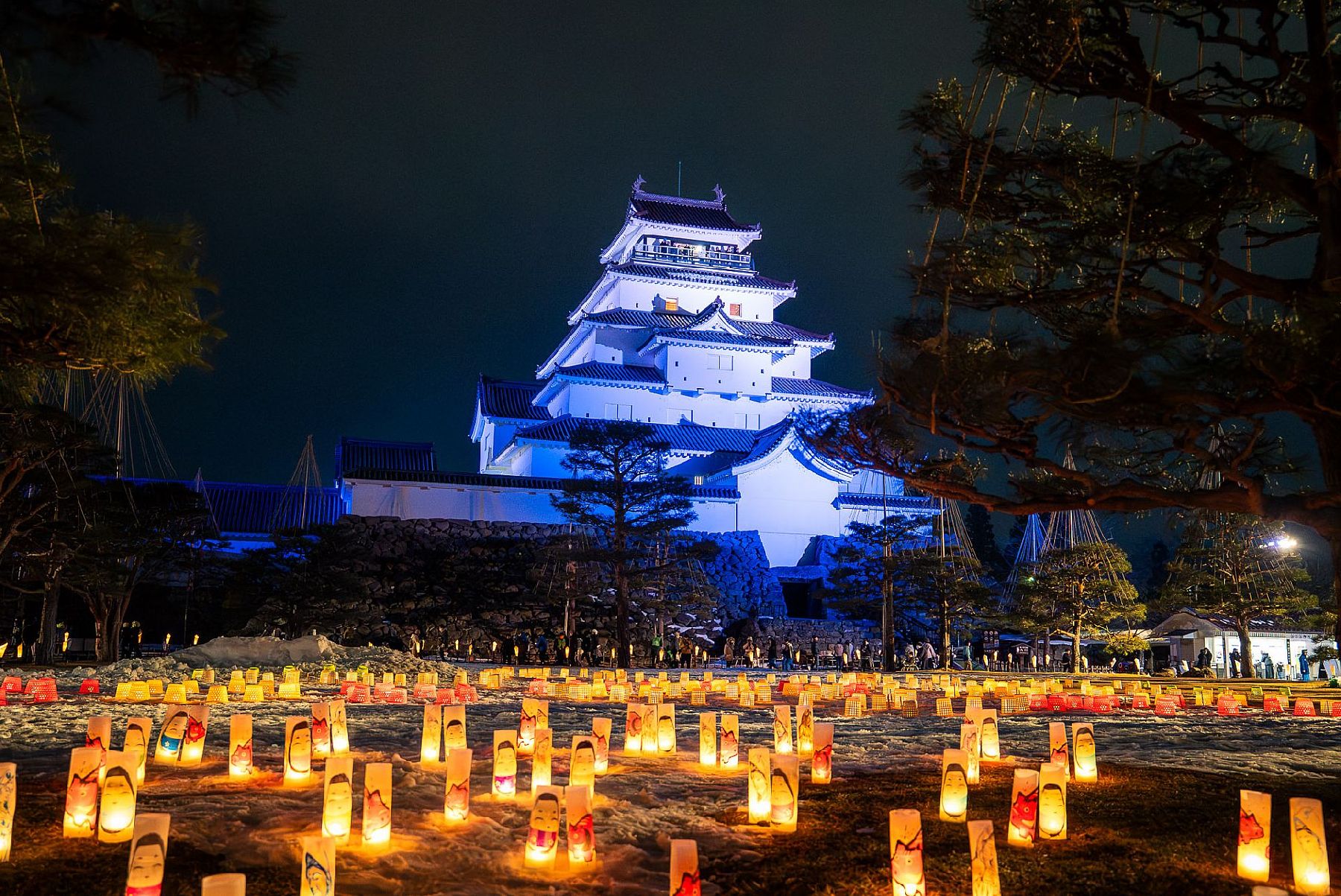
Aizu painted candles (e-rousoku) are one of Aizu’s most well-loved traditional crafts. The Aizu Painted Candle Festival was started in order to let people all over Japan (and all over the world) know about this traditional art form, and to give people an appreciation for the work that is needed to make every single candle.

Take in the picturesque snowy scenery in Aizu-Wakamatsu City by candlelight this winter - the Aizu Painted Candle Festival takes place at Tsurugajo Castle (main venue) and Oyakuen Garden (sub venue) on the second Friday and Saturday of February. The castle grounds are lit up with artisanal candles and lanterns, while the garden at Oyaku-en has colourful illuminations that reflect in the clear waters of the ponds. Visitors to the castle can enjoy food stalls, while the garden offers a rare opportunity to drink green tea from the teahouse overlooking the ponds, which typically is only open during the day.

The 2026 festival took place on Friday 13th and Saturday 14th February, 2026.

Venue Details

Venue Details
Websitehttp://www.aizu.com/erousoku/(Japanese)
Contact

Secretariat of the Aizu Candle Festival Executive Committee

Best Season
  • Winter
ParkingUsually about 300 yen to park at Tsurugajo Castle; parking at Oyaku-en (or the nearby Aizu Chamber of Commerce) is free of charge
Access Details
AccessTsurugajo Castle: 1-1 Otemachi, Aizuwakamatsu, Fukushima 965-0873
View directions
Getting there

Tsurugajo Castle:

By Train: 30min walk from Nishi-Wakamatsu Station (Aizu Railway / Tadami Line)

By Car: 20mins from Aizu-Wakamatsu IC

By Bus: 20min bus from Aizu-Wakamatsu Station to Tsurugajo Kita-guchi (鶴ヶ城北口)

Fukushima Festival Guide

Nearby

The World Glassware Hall
Cultural Experiences

Mitsuishi Shrine (Three Stones Shrine)

The Mitsuishi Shrine (Three Stones Shrine) is located a short 10-minute walk from Tadami Station in Tadami Town. Ichinoiwa, Ninoiwa and Saniwa are the three large stones that have spritual significance.  Ichinoiwa (the first stone) is thought to improve intelligence, Ninoiwa (the second stone) is thought to improve eyesight, and Saniwa (the third stone) is thought to improve connections with others, particularly romantic love. The Saniwa is a popular place to visit for those who are hoping to get married someday. To reach the shrine there is a short hike through dense forest, so it is recommended that visitors wear shoes that are easy to walk in.
The World Glassware Hall
Cultural Experiences

Mori no Bunko Fuzawa

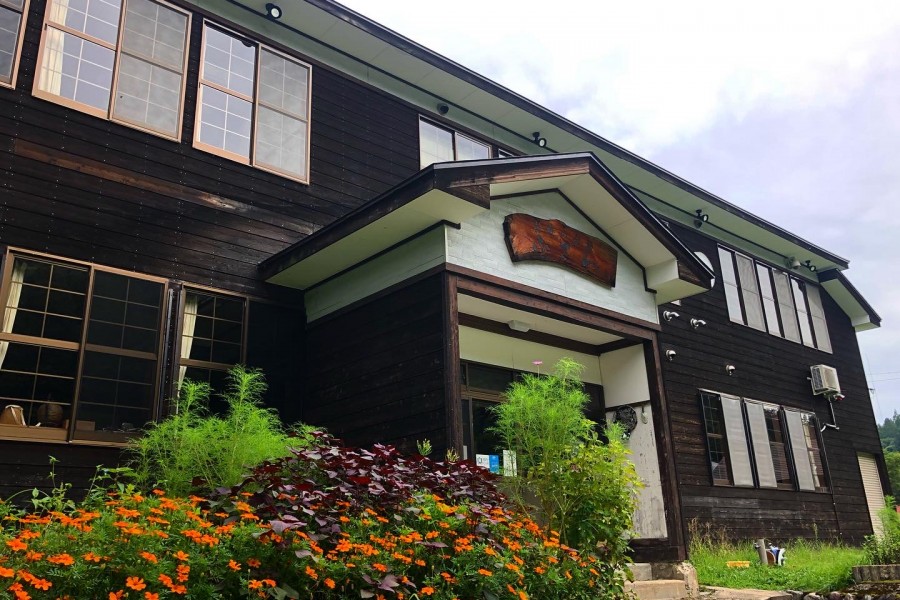
Mori no Bunko Fuzawa is a mountain village life workshop facility where guests can experience the lifestyle, nature, and charms of living in a Japanese rural mountain village. [photo id="wedA3wsHghGka5MbrORGYjRkj8BGAinlLCOG5O0L.jpg"] This building was a working school up to 40 years ago, the black board in one classroom where all of the students wrote their goodbye messages on the last day of school has been preserved as is. (If you visit, please be sure to avoid touching, erasing, or writing on the black board.) [photo id="fNNbYszCkKk3qvw1ozp5lY5yn8UDJPkrsrHf05Jf.jpg"] All three classrooms are available to stay the night in! Guests are charged per person, not per room, so if your group are the only ones staying the night then you are free to spread out into all three of the rooms. This is the kind of lodging that Japanese students would stay in on overnight school trips, so there is a sense of nostalgia when staying here.  There are also many different activities that you can experience when staying here, such as local and traditional craft making and even river trekking with local guides! Read more about river trekking experiences here. [photo id="YrRrT5cHuDe3wK75RWrxgat8d8JPQP9P7bQgJwuY.jpg"]

The World Glassware Hall
Cultural Experiences

Chinkin Taiken (Sunken-Gold Design Experience)

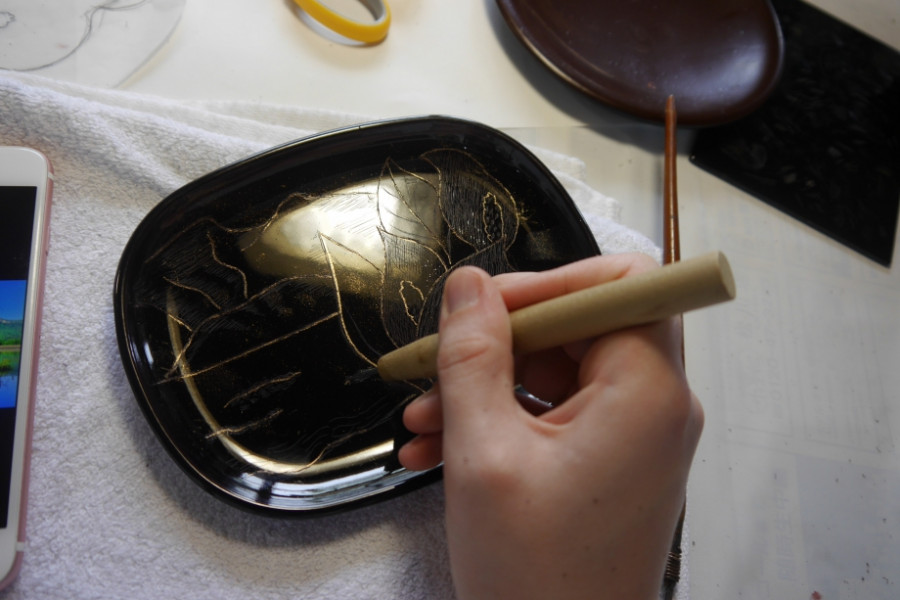
The Tradition of Aizu lacquerware in Fukushima Prefecture has continued for 400 years. Try out creating a design on Aizu Lacquerware with a technique called Chinkin ("Sunken-gold") at Tsunoda Lacquer Art Studio. Sketch your design on tracing paper, and then mark it onto the lacqerware with a needle. Tsunoda san will help you fill the grooves created by your needle with gold and silver powder to create your design. Alternatively, try painting your own design on Aizu lacquerware at the studio. Either experience will create a great souvenir of your trip in Japan. These experiences take about an hour.

The World Glassware Hall
Cultural Experiences

Kimono Experience in Aizu-Wakamatsu City

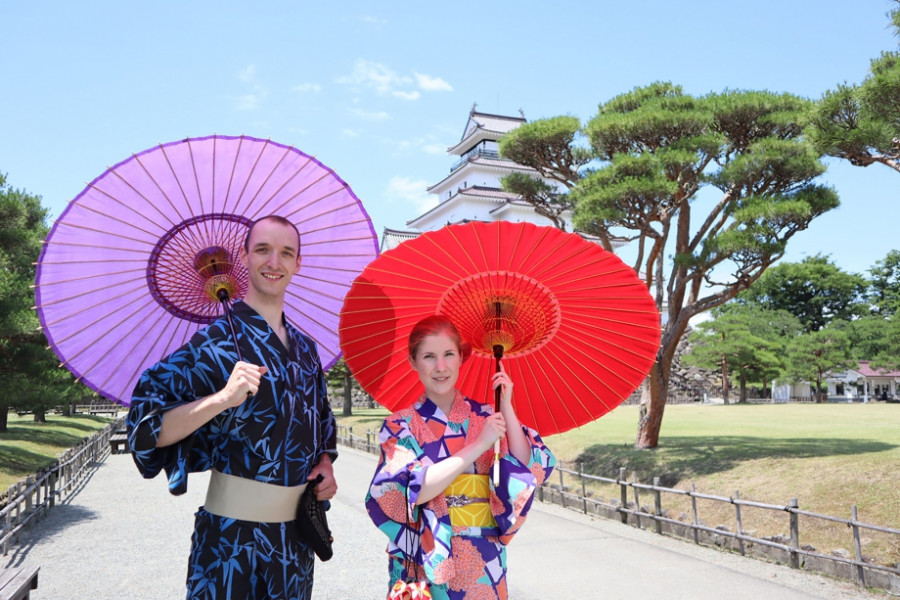
You can now try on yukata or kimono at Tsuruga Kimono Rental Shop, which opened in April 2019. Tsuruga Kimono Rental Shop is located on the second floor of Tsurugajo Kaikan, which is right next to Tsurugajo Castle in Aizu-Wakamatsu City. Rent a kimono or yukata and take photos with friends and family in front of the castle, or venture a bit further to the historical Nanokamachi-dori Street to feel like you have stepped back in time. Come and make some great memories in Aizu-Wakamatsu City!

You might also like

Aizu Festival
Events & Festivals

Aizu Festival

The Aizu Festival is the biggest event of the year for the historic Aizu region. The main feature of the festival is the Aizu Hanko Gyoretsu, a procession of Aizu Domain lords and samurai.Headed by flag-bearers holding the standards of the feudal lords of the Aizu Domain, the procession is attended by participants representing well-known feudal lords such as Lord Uesugi, Lord Hoshina, and Lord Matsudaira, and by groups of festival participants wearing garments and carrying tools associated with each of these lords.Each year, some 500 people parade through downtown Aizu-Wakamatsu in an event that magnificently recreates the world of samurai. Before the procession starts off, there is a kick-off ceremony at Tsurugajo Castle.Visitors can enjoy watching the sword dancing of the Byakkotai warriors and sword fight performances given by professional actors, with the castle keep of Tsurugajo in the background.Overseas visitors or Japan residents can also join the parade in samurai armour; for more details about joining the 2026 parade next year, please send us an email.2025 Festival Schedule:Full details of the 2025 schedule here (in English).Full details of the 2025 schedule here (in Japanese).19 September 2025 (Friday)18:00 - 18:30 Lantern parade: Local schoolchildren will walk from Tsurugajo Castle to Shinmei Street carrying lanterns.19:00 - 20:30 Aizu-Bandaisan Mountain Dance: Held around a tower set up on Shinmei Street. Anyone is free to join in.Main day: 20 September 2025 (Saturday)09:55 Lord's Procession: The procession leaves from Tsurugajo Castle and carries on through the city, ending at roughly 1pm or 2pm. More events are held at the castle and around the city; please check the above English pamphlet for more details.19:00 - 20:30 Aizu-Bandaisan Mountain Dance: Held around the tower on Shinmei Street. Anyone is free to join in.21 September 2025 (Sunday)10:00 Nisshinkan Children's Parade: Children march through the streets dressed as members of the legendary Byakkotai (White Tiger Corps) or Swords Corps.10:10 Drum and Flute Corps Parade: Students from around 20 elementary schools in the city perform with traditional drum and flute.

Higashiyama Onsen Bon Odori
Events & Festivals

Higashiyama Onsen Bon Odori

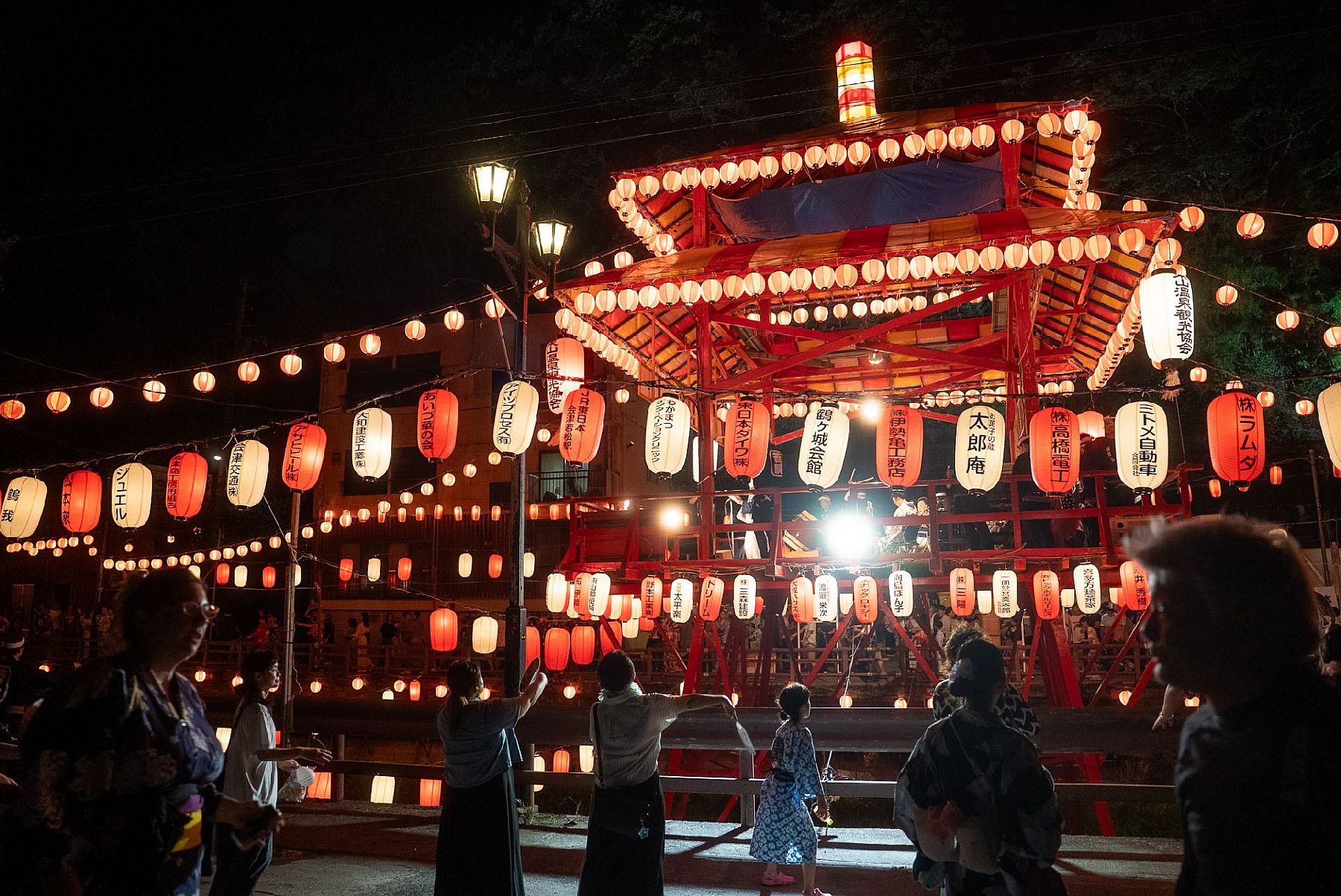
The Higashiyama Onsen Bon Odori, a traditional summer dance festival, restarted in 2024 after a five-year absence and is typically held Friday to Monday on the first weekend of August.The festival involves long snaking lines of people dancing to the traditional song 'Aizu Bandaisan', which anyone can join since the dance only involves a few steps. The song is played from a 14-metre-high wooden watchtower built once a year in the Yukawa River below, adorned with over 1,000 lanterns.The history of the festival traces back to 1944, when it was designed to cheer up children evacuating to a ryokan in Higashiyama Onsen during the war.The onsen town is also worth a visit the rest of the year and makes an excellent base for exploring the samurai city of Aizu-Wakamatsu.

Tadami  Snow Festival
Events & Festivals

Tadami Snow Festival

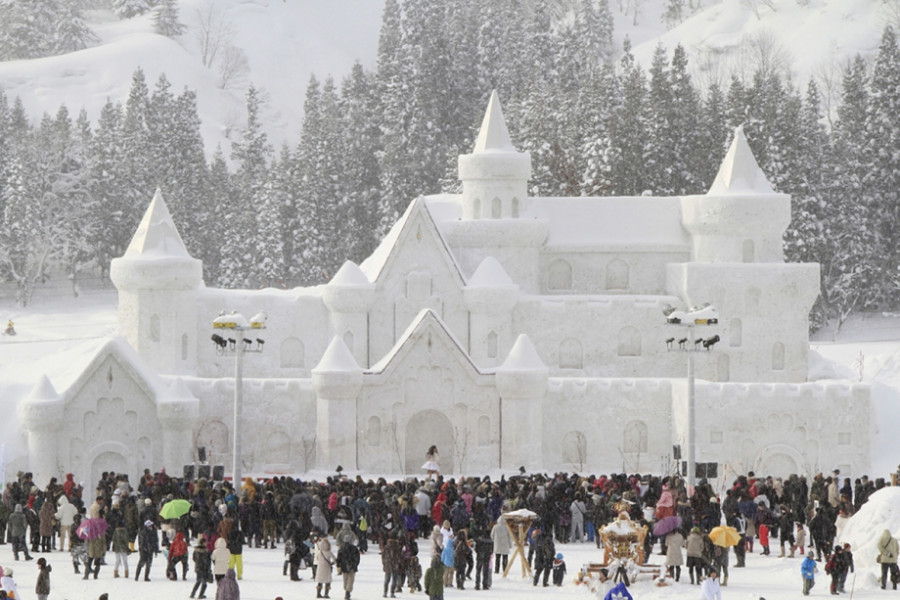
The festival was held on Saturday 14th and Sunday 15th February, 2026.Snow sculptures big and small take center stage at this exciting, local snow festival. Try out local cuisine and browse traditional locally-made crafts at the Tadami Furusato Snow Festival. As night closes in, the snow sculptures are dramatically lit up. They look even more fantastic when surrounded with the light of the fireworks display that is held on Saturday and Sunday evening.On the Saturday evening, there is a cleansing ritual held for people in their 'unlucky' years, such as 25 and 42 for men, or 19, 33 or 37 for women. Men in loincloths run around being slapped on the back for good luck by visitors, before lighting great bonfires that guests use to roast mochi. With stage shows, snow sculptures, projection mapping and fireworks, this is a great event for families in the heart of a beautiful region of rural Japan.

Karamushi Ori-no-Sato Snow Festival
Events & Festivals

Karamushi Ori-no-Sato Snow Festival

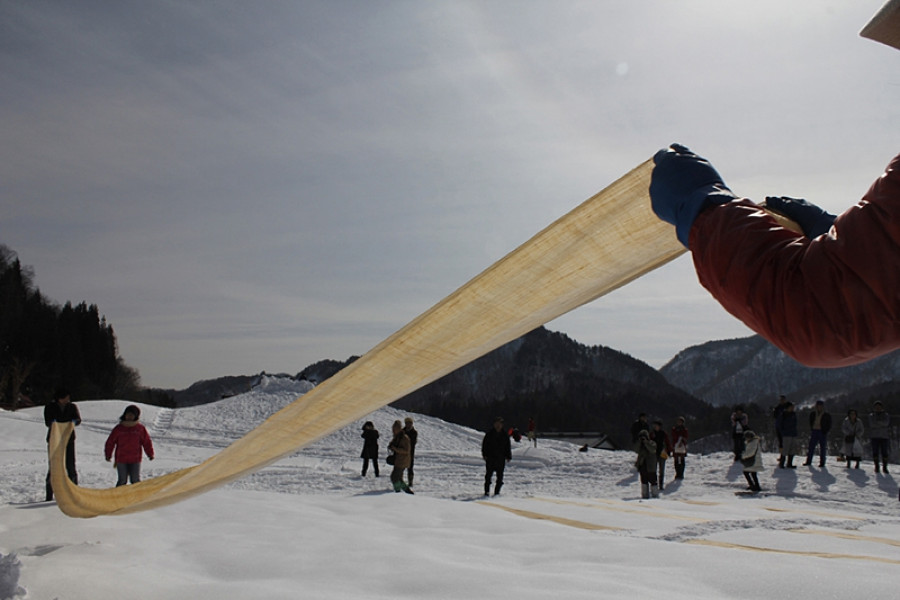
Winter in Showa Village wouldn’t be complete without heavy snowfall – every year around 2 meters of snow piles in the village! Showa Village’s local people has adapted their way of working around the harsh conditions of winter over the generations by utilizing the long winter months to create crafts from weaving thread made of ramie (made from nettles). This photo shows an important part of this process – the bleaching of the fabric. Visitors can even experience making coasters made from ramie using traditional methods at Orihime Koryukan Building, located at Michi-no-Eki Karamushi Ori-no-Sato (Roadside Station)!The date of the 2021 Karamushi Ori-no-Sato Festival will be at the end of February 2021, and is currently being decided.

Top