Abukuma Cave

Abukuma Cave

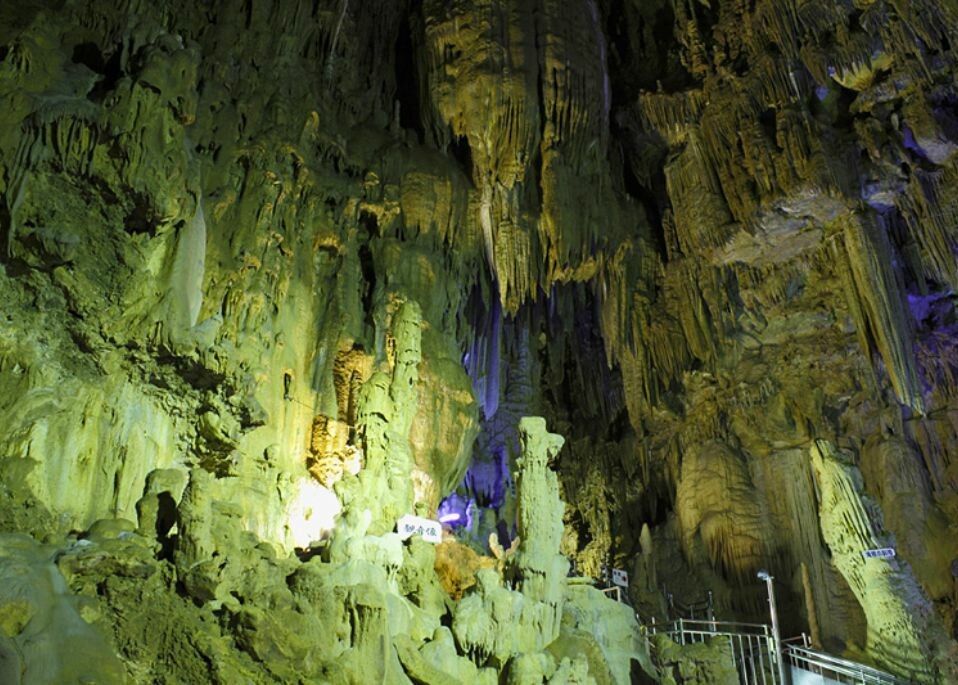
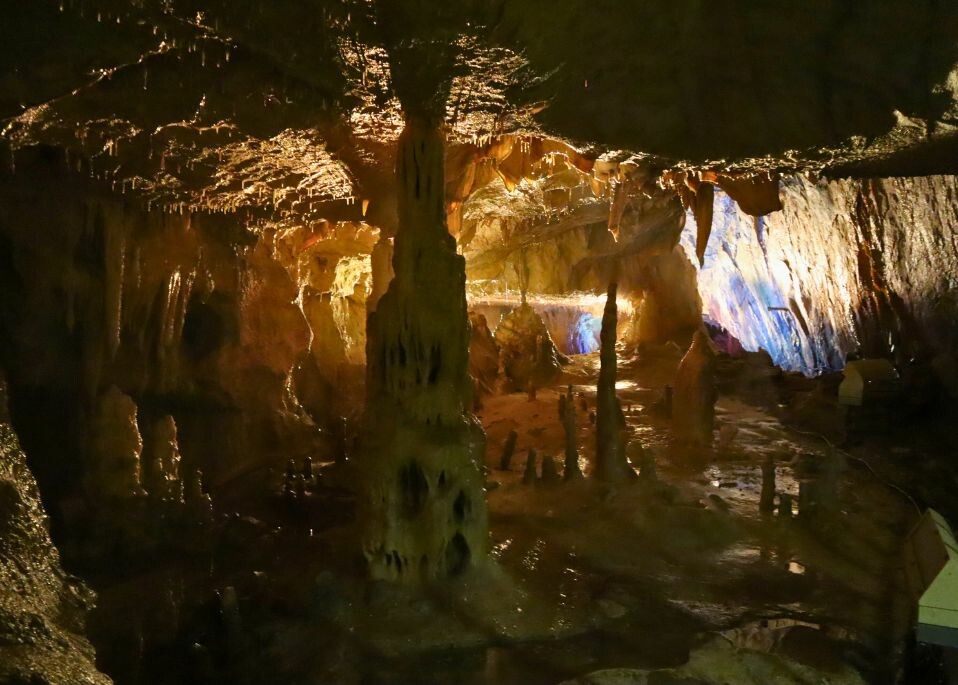
A world of mystical beauty created over millions of years, Abukuma Cave is said to have the greatest variety and the largest number of stalactites in the whole of Asia. It takes about an hour to explore the inner world of the cave and the terrain is easy to navigate on foot.

Abukuma Cave is a limestone cave that was discovered in 1969. Inside, visitors can walk the 600-meter-long path to explore and view the beautiful cave formations. Visitors can’t help but be impressed by the beauty of these natural creations formed over the course of 80 million years. The largest hall in the cave, called Takine Goten (Takine Hall), and Tsuki no Sekai (The Moon World), is illuminated with dramatic stage lighting and is particularly impressive.

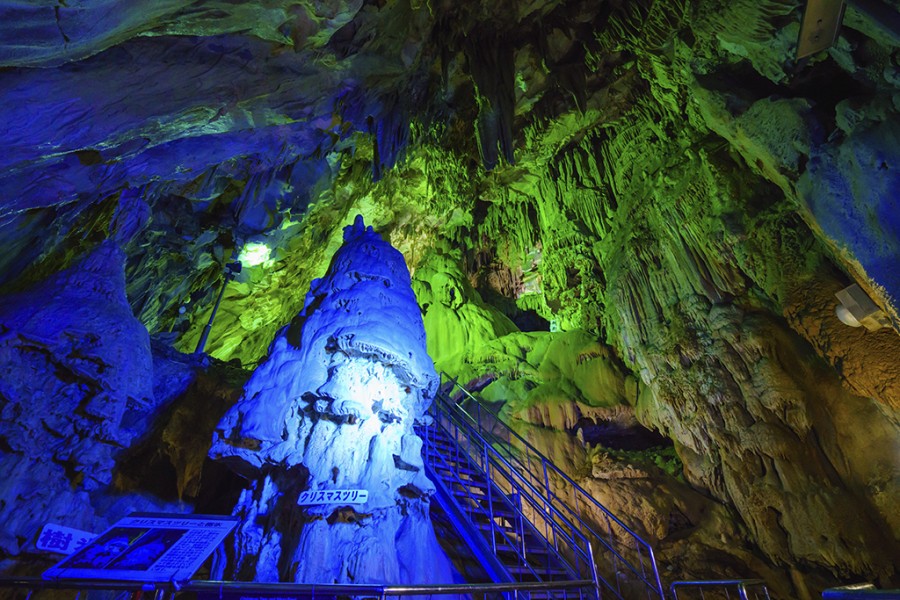
Also not to be missed are the rare cave formations called boxwork, you can identify them by their unique shape; thin blades of minerals coming off the walls and ceilings forming a honeycomb or box-like pattern. Abukuma Cave is the only cave in Japan with boxwork that is open to the public. Another notable stop along the cave path is the Christmas Tree and Silver Frost; both are impressive stalagmites that resemble festive holiday trees. The Christmas Tree is over two meters tall and said to be the largest example in all of Asia.

There is an additional thrilling adventure course; experience crawling through narrow passages and climbing a ladder to spectacular views over the cave! This 120-meter-long course runs parallel to the main passage, but please note that visitors may have to crawl on their hands and knees at times.

When you have finished exploring the mysterious depths and come back to the surface you can find plenty of restaurants and souvenir shops. Visit from mid-June to July to see the neighbouring hillside covered in 50,000 lavender plants.

Venue Details

Venue Details
Websitehttps://abukumado.com/en/
Contact

Abukuma Cave Administration Office

(+81) 247-78-2125

Best SeasonAll Year
Opening Hours

Apr.01–Jun.22: 8:30am–5:00pm | Jun.23–Sep.30: 8:30am–5:30pm | Oct.01–Nov.15: 8:30am–5:00pm | Nov.16–Mar.06: 8:30am–4:30pm | Mar.07–Mar.31: 8:30am–5:00pm

ParkingFree. Disabled Parking Available
Entrance FeeAdults: 1,200 yen | 13 - 15 years old: 800 yen | 7 - 12 years old: 600 yen | Adventure course is available for an extra 200 yen.
Related infoMulti-purpose accessible toilet available.
Access Details
Access1 Higashikamayama, Sugaya, Takine-Machi, Tamura City, Fukushima Pref.
View directions
Getting there

By Car: 20 min from Ono I.C. exit off the Ban-etsu Expressway. After exiting the Ban-etsu Expressway, take Route 349, then Prefectural Route 36, before passing onto Prefectural Route 19. Then turn right after 7-Eleven.

By Train: Approx. 10 min from Kanmata Station on the Ban-etsu East Line.  

Useful Links

Irimizu Limestone Cave (Irimizu Shonyudo)

10 things to do at Abukuma Cave

Nearby

The World Glassware Hall
Nature & Scenery

Mt. Issaikyo

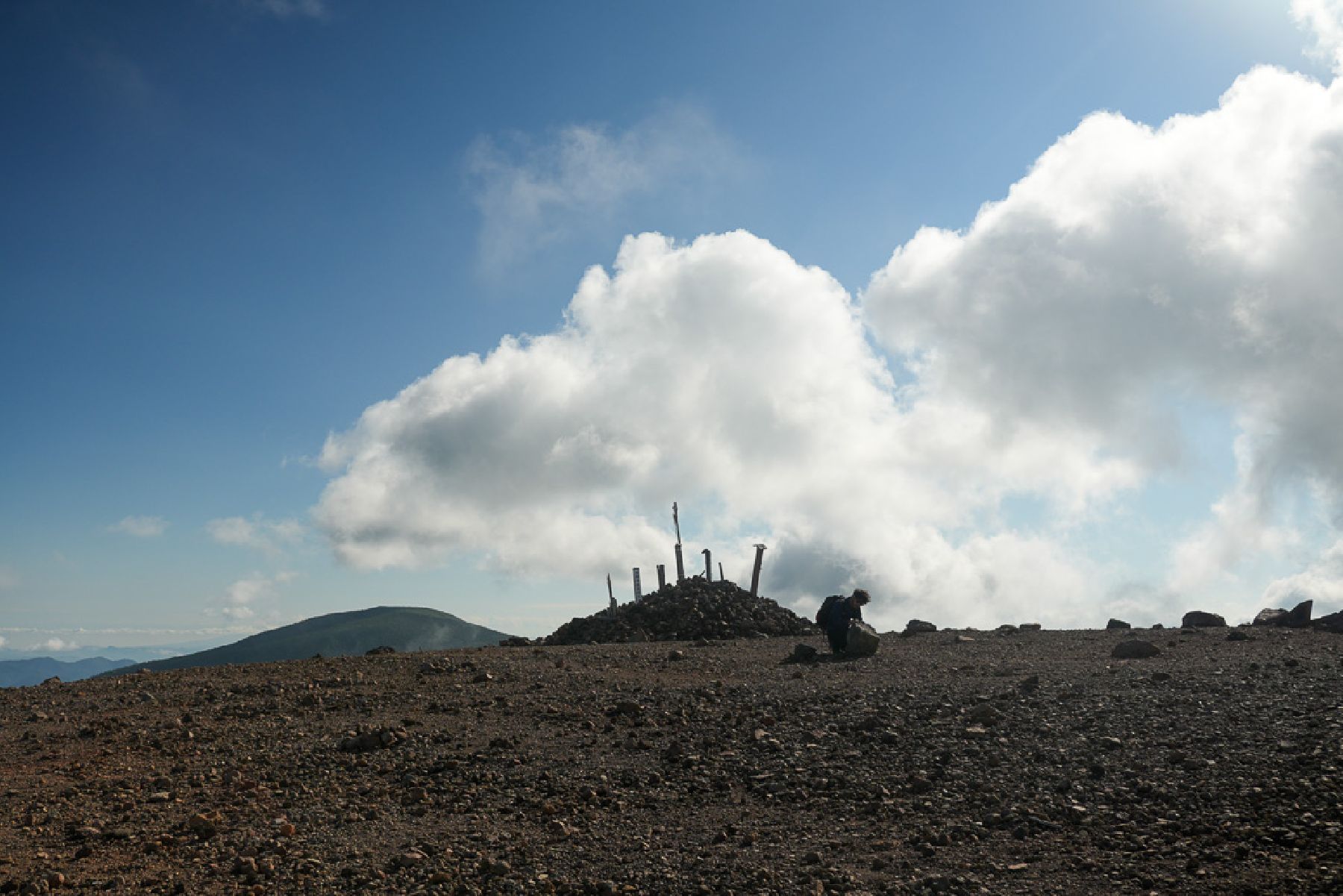
One of the mountains climbable from the Jododaira Plateau, Mt. Issaikyo is a robust several-hour hike suitable for intermediate-level hikers.In addition to spectacular views of the surrounding area, the mountain is also one of the main pathways to, and viewpoints for, the ‘Witch’s Eye’ lake at Goshikinuma, which stretches out in a valley visible from the Issaikyo summit. (The lake is reachable from the summit, although the terrain is relatively steep.)Visitors to the area typically park at the Jododaira Visitor Center, from which they have a choice of options: Kamanuma lake due west, Okenuma Pond to the south, and the Azuma-Kofuji crater with its panoramic views over Fukushima City to the east.To the north, however, stands Mt. Issaikyo. With a summit of 1,949m and rugged terrain on the climb, it may not be suitable for absolute beginner hikers, but nor is it a whole-day slog like climbing Mt. Fuji. Views from the top of the mountain are spectacular and well worth the climb – a blanket of immaculate white clouds spreads out in all directions. Likewise, the ascent gives great views of the Azuma-Kofuji crater with its iconic inverted shape.The Jododaira Plateau is typically best accessed by car, a journey which takes travellers from Fukushima City up the Bandai-Azuma Skyline sightseeing road and offers fantastic views, especially in autumn.Please be aware that the Mt. Issaikyo trail, and the Jododaira Plateau in general, is closed to visitors during winter due to heavy snowfall.
The World Glassware Hall
Nature & Scenery

Bandai-Azuma Lake Line

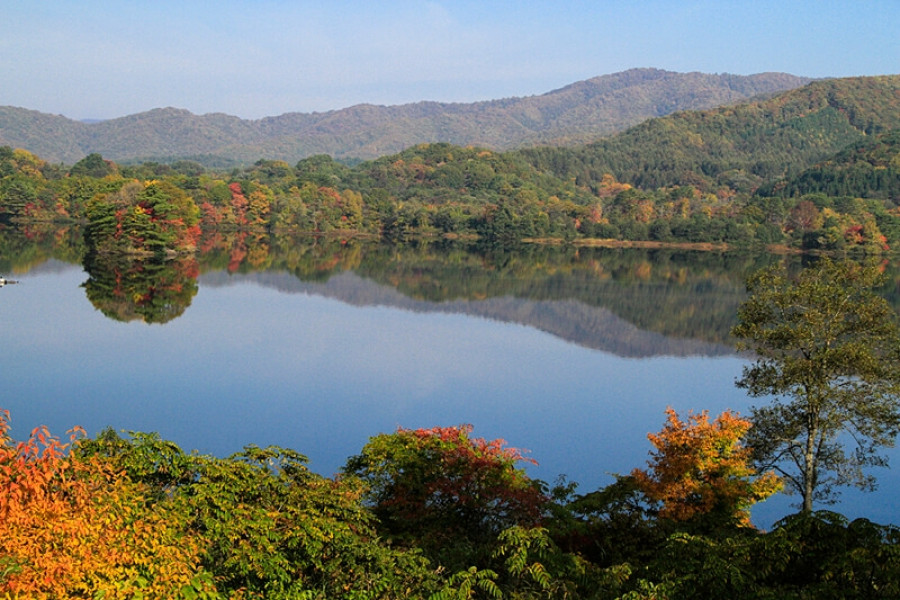
Bandai-Azuma Lake Line is a sightseeing road that runs for 13.1 km, connecting Inawashiro Town and Kitashiobara Village. Outstanding backdrops of hundreds of lakes, including Lake Akimoto, Lake Onogawa, and Lake Hibara can be seen from along the road. The Nakatsugawa Valley, which lies half-way along the route, offers a wonderful view of a combination of rock surfaces polished by strong water currents and woodland greenery. A rest-house area with washrooms stands near the valley and visitors can enjoy trekking along the walking trails from the season of fresh green leaves through to the end of the season of red and yellow foliage. The valley is particularly famous as one of the most scenic foliage-viewing spots in Japan with many photographers visiting from both inside and outside of the prefecture. Enjoy a beautiful drive through this landscape when the new leaves of spring are fresh and green or when the autumn beauty of the valley glistens with red and yellow foliage of beeches, buckeyes, and maples.

The World Glassware Hall
History & Culture

Nakano Fudoson Temple

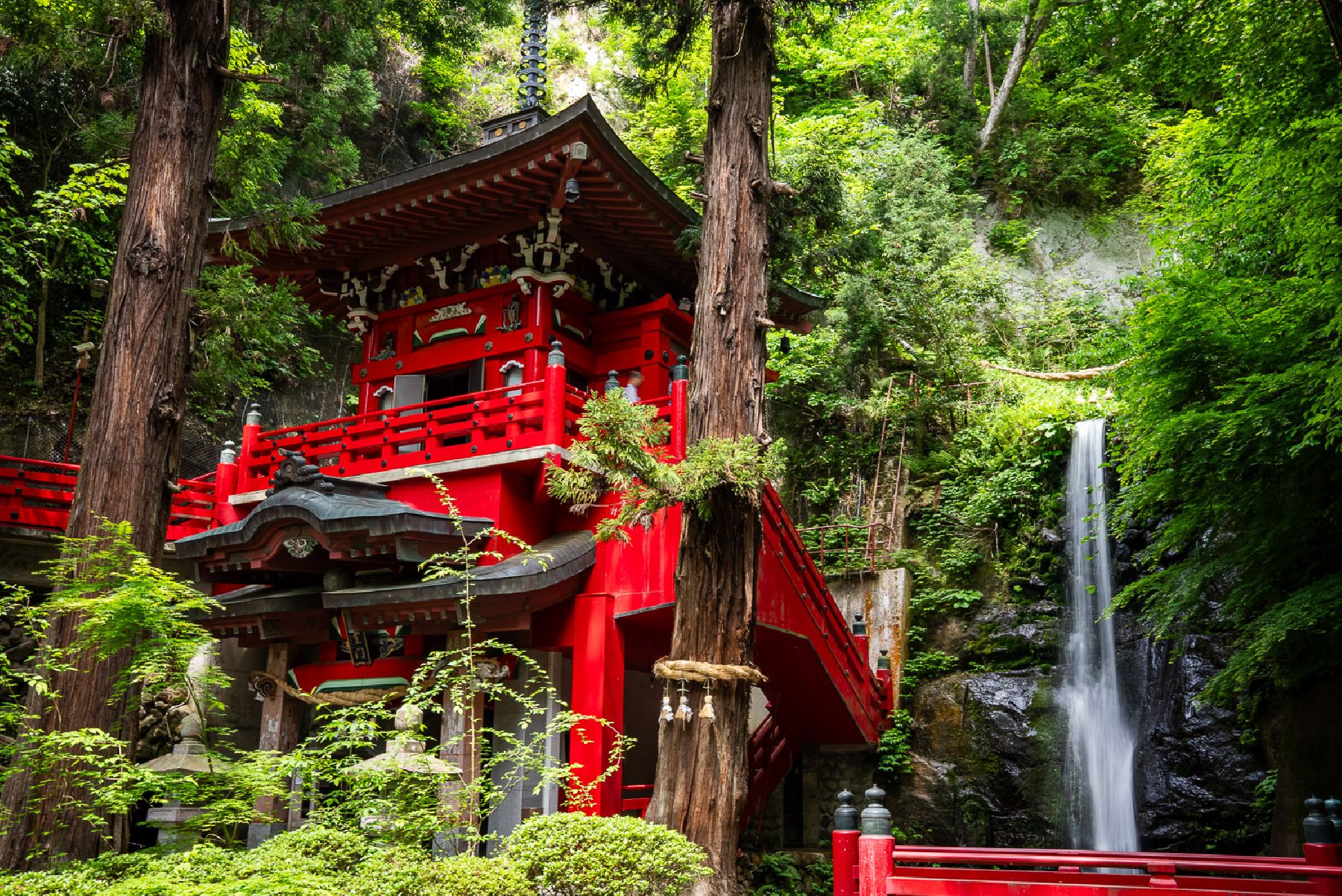
Nakano Fudoson is a Zen Buddhist temple built around a waterfall. Nakano Fudoson Temple is dedicated to the Buddhist deity Acala (Fudo in Japanese), one of the Buddhist ‘Kings of Knowledge’. Three forms of this deity can be praised at different areas within this temple.Those hoping to ward off evil & bad luck can worship the deity at the main temple. Those looking to protect their eyesight in the coming year can pray at the Kitoden. Those wanting to worship the Fudo deity even more intimately can do so at the Okunoin cave complex, which contains 36 Buddhist statues.

You might also like

Jorakuen
Nature & Scenery

Jorakuen

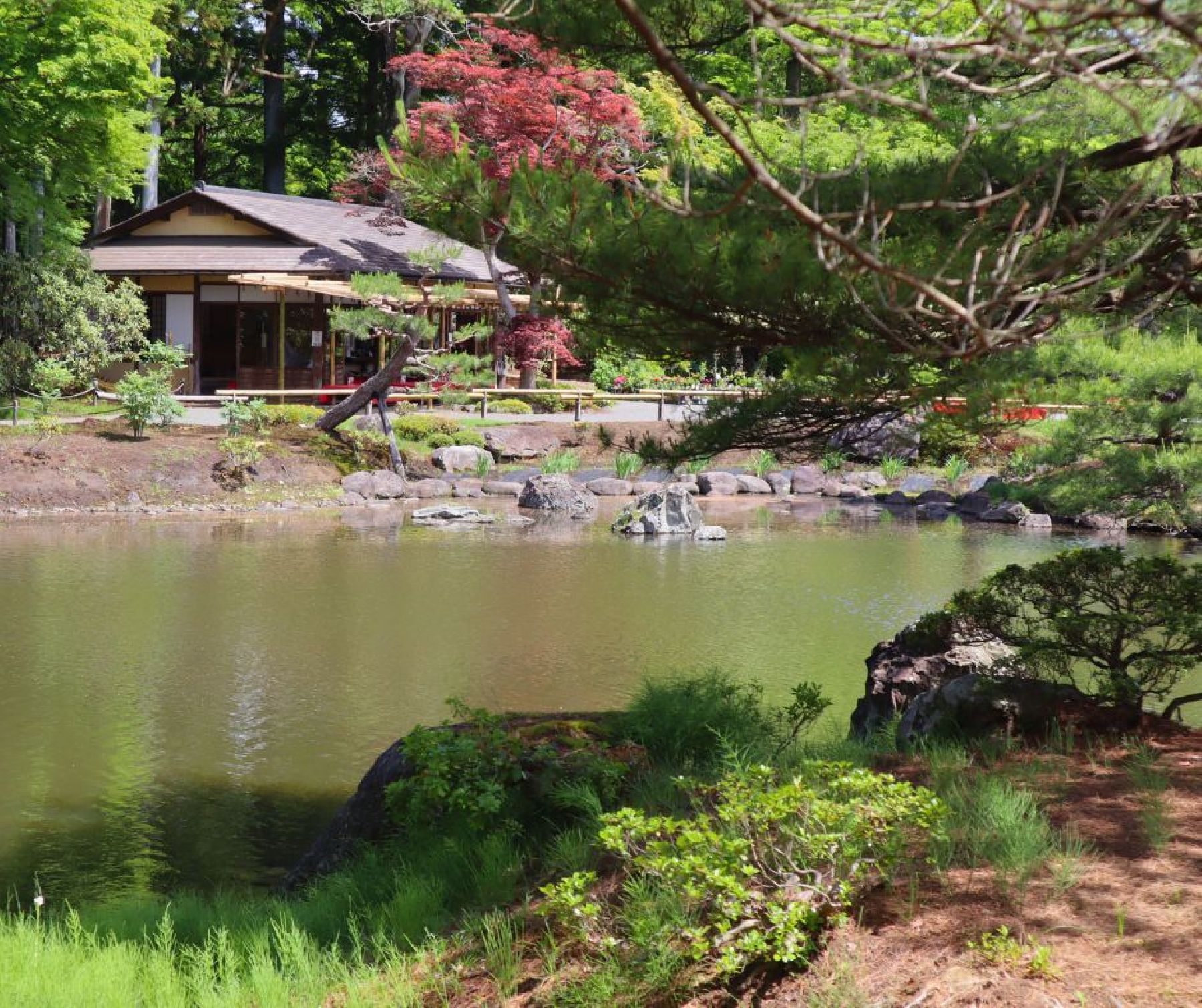
Jorakuen (浄楽園) is a traditional Japanese garden located in Fukushima City. It was completed by an expert gardener who worked on the famous Kinkaku-ji Temple in Kyoto, and it has a total area of about 25,000 square meters (over 269,000 square feet).The garden can be enjoyed in spring, summer and autumn. Spring brings about delicate cherry blossoms, irises, and rhododendrons; water lilies and lotus flowers adorn the ponds during the summer; and brightly colored trees decorate the park in autumn.  No matter the season, the backdrop of the Azuma mountains makes for a spectacular sight at Jorakuen.There is a souvenir shop and traditional teahouse at the garden where visitors can enjoy matcha and Japanese sweets (‘wagashi’). The park remains closed during the winter season, from December 1st to March 31st.

Doaidate Park
Nature & Scenery

Doaidate Park

Approximately 5,000 colorful hydrangeas bloom here every summer. Nicknamed by locals as 'Hydrangea Alley', this is a great place for relaxing or taking photos. Doaidate Park routinely makes lists of best places to see hydrangeas in Tohoku every year thanks to its sheer number of bushes and tranquil atmosphere.There is also a play park for children and an old shrine within the park grounds, while the west side of the park offers excellent views over Mt. Adatara.Parking is available for roughly 40-50 cars by the slope leading to the park entrance.In an average year, the best time to see hydrangeas fully in bloom is between the end of June and beginning of July.

Top