Iwase Yumoto Onsen

Iwase Yumoto Onsen

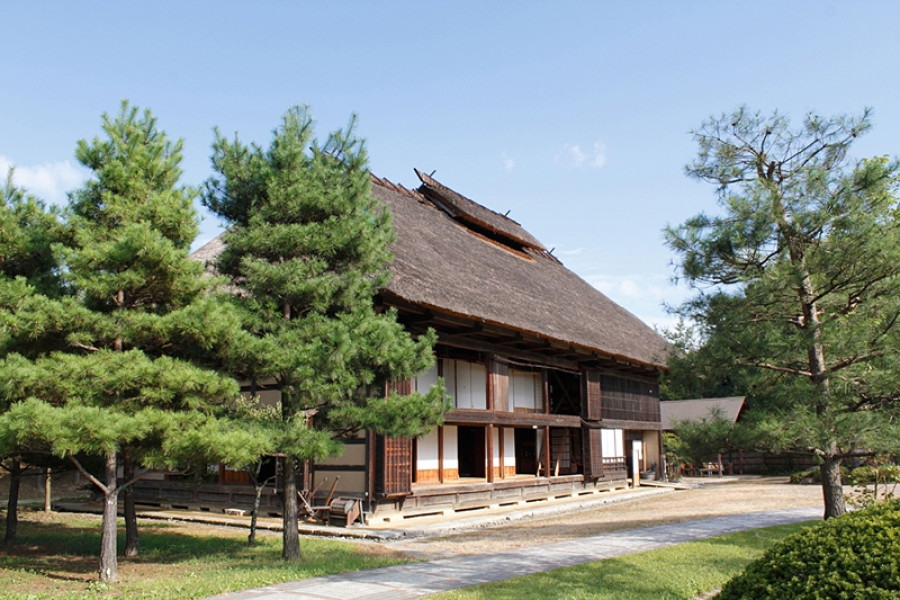
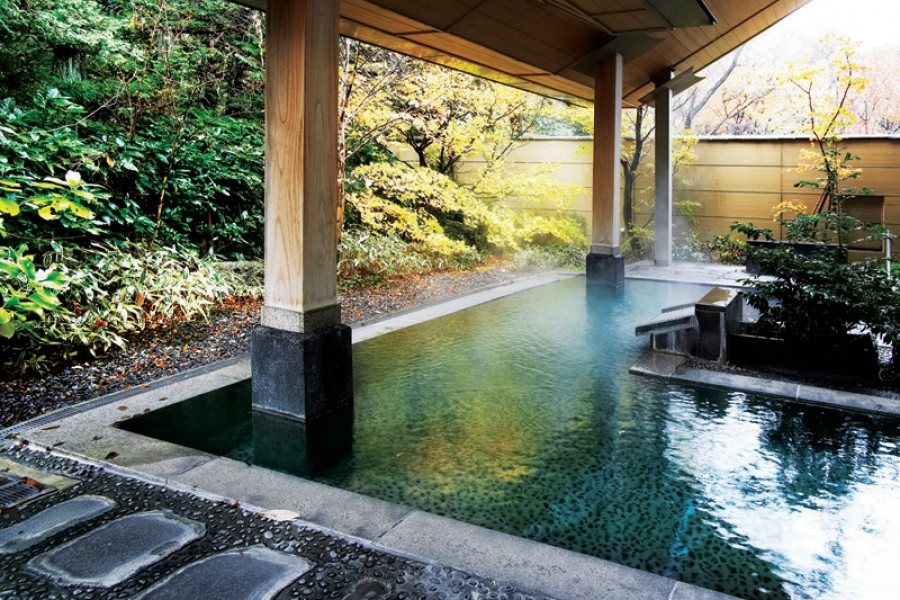
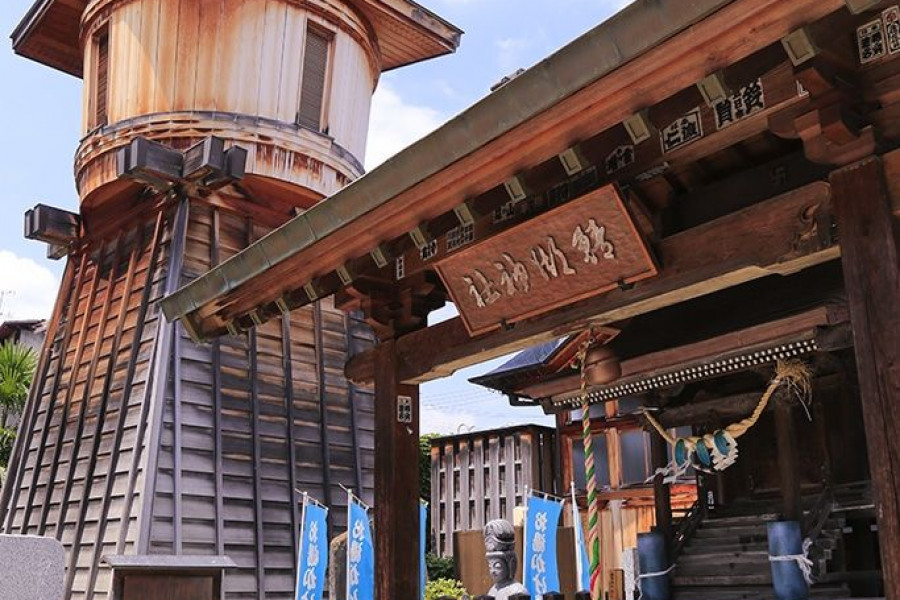
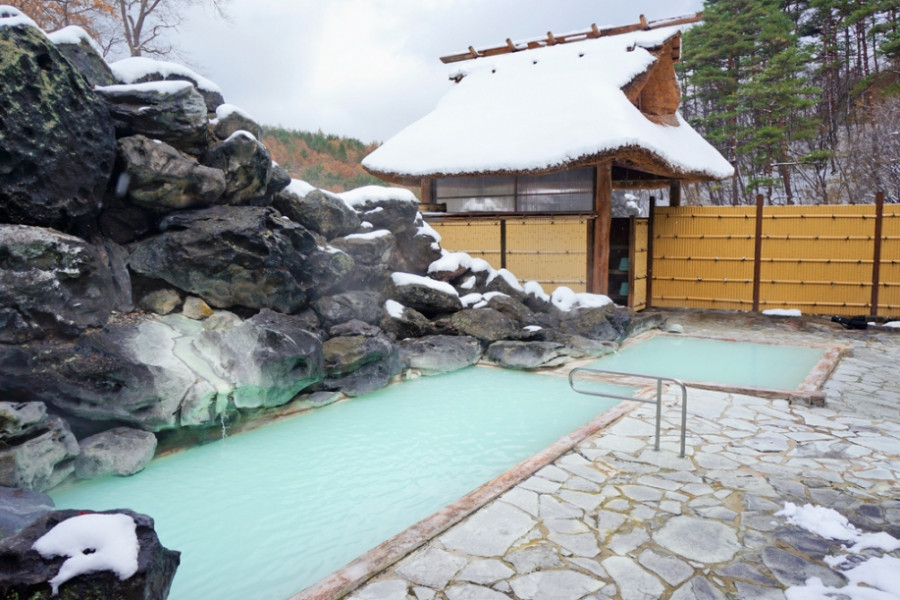
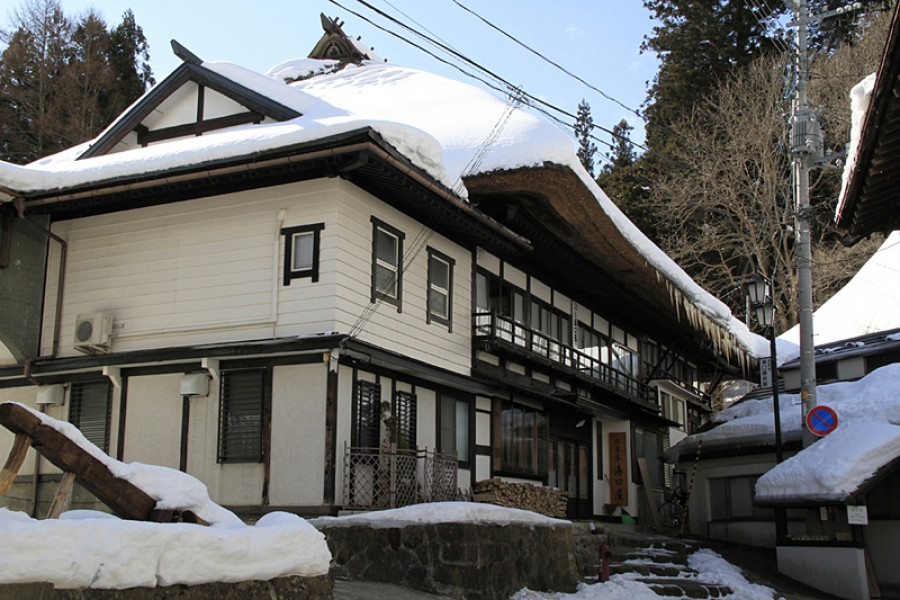
Iwase Yumoto Onsen has been treasured as a hot spring resort for a long time. The rustic ryokan of Iwase Yumoto Onsen have quaint thatched roofs and are particularly photogenic lined up side-by-side. This old-fashioned area’s nostalgic atmosphere is definitely not to be missed if you would like to feel as if you have been transported back into the Japan of centuries gone by.
 

Venue Details

Venue Details
Websitehttps://ten-ei.net/index.aspx(Automated translation available)
Contact

Tenei Village Tourism Association

Access Details
AccessYumoto, Tenei Village, Iwase District, Fukushima Pref. 962-0621
View directions
Getting there

Car: 40 min drive from Ouchi-juku. About 70 min by car from Shirakawa Station

Nearby

The World Glassware Hall
Nature & Scenery

Kaiseizan Park

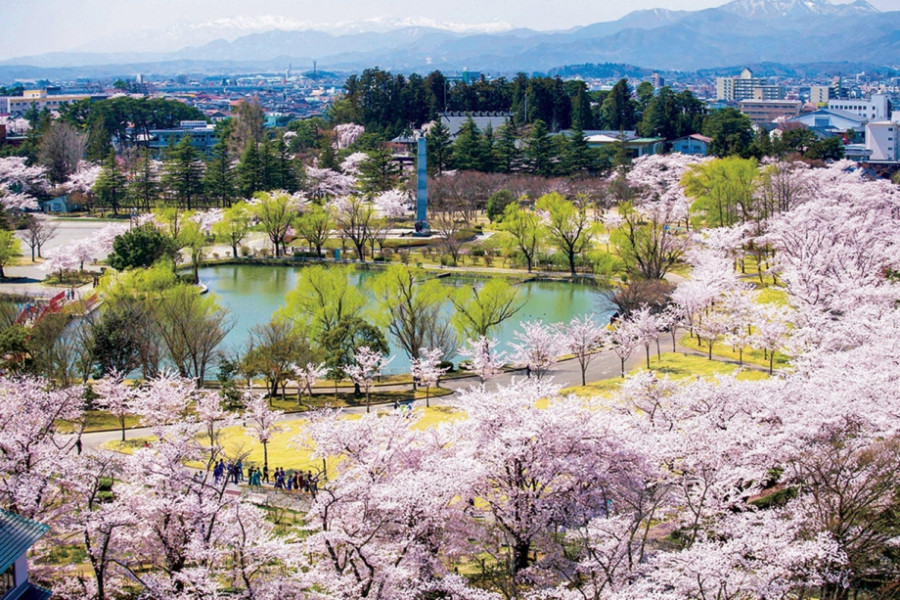
Koriyama’s Kaiseizan Park is a wide realm in the city. Home to around 1300 cherry trees, it is one of the prefecture’s most prominent cherry blossom spots. The impressive trees are lit up in the evening during cherry blossom season, making for fantastic views. The park has a baseball field, an athletics field, and an event venue. Additionally, it is home to one of Fukushima's Chansey's Lucky Parks, making it a popular destination among Pokémon fans. Located nearby is the Kaiseizan Daijingu Shrine.There is also a 3,000-square-meter rose garden that blooms in spring (typically from mid-May to late June) and in the fall (usually from mid-September to late October). Exact blooming dates vary each year.No matter the season, there is something to enjoy at Kaiseizan Park year-round.

The World Glassware Hall
Nature & Scenery

Hanamomo-no-Sato Park

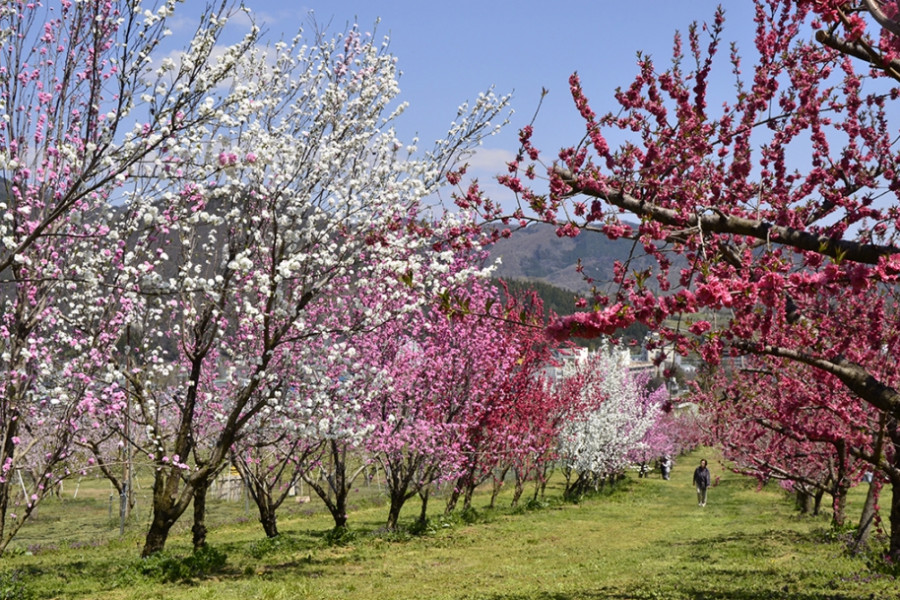
From early April right up to the start of May, 40 varieties of blossoming peach trees present a feast for the eyes for visitors to Hanamomo-no-Sato Park. There are over 300 peach trees spread across the 8,000 square meters of land. From blossoms with a single layer of petals, to the elaborate Yae-zakura and Kikuzaki Sakura flowers, there is a huge variety in the shapes and colours of cherry blossoms to be discovered and enjoyed at Hanamomo-no-Sato Park. As well as being free to visit, Hanamomo-no-Sato Park is conveniently located; just 20 minutes on foot from Iizaka Onsen Station.

You might also like

Sabakoyu
Hot Springs

Sabakoyu

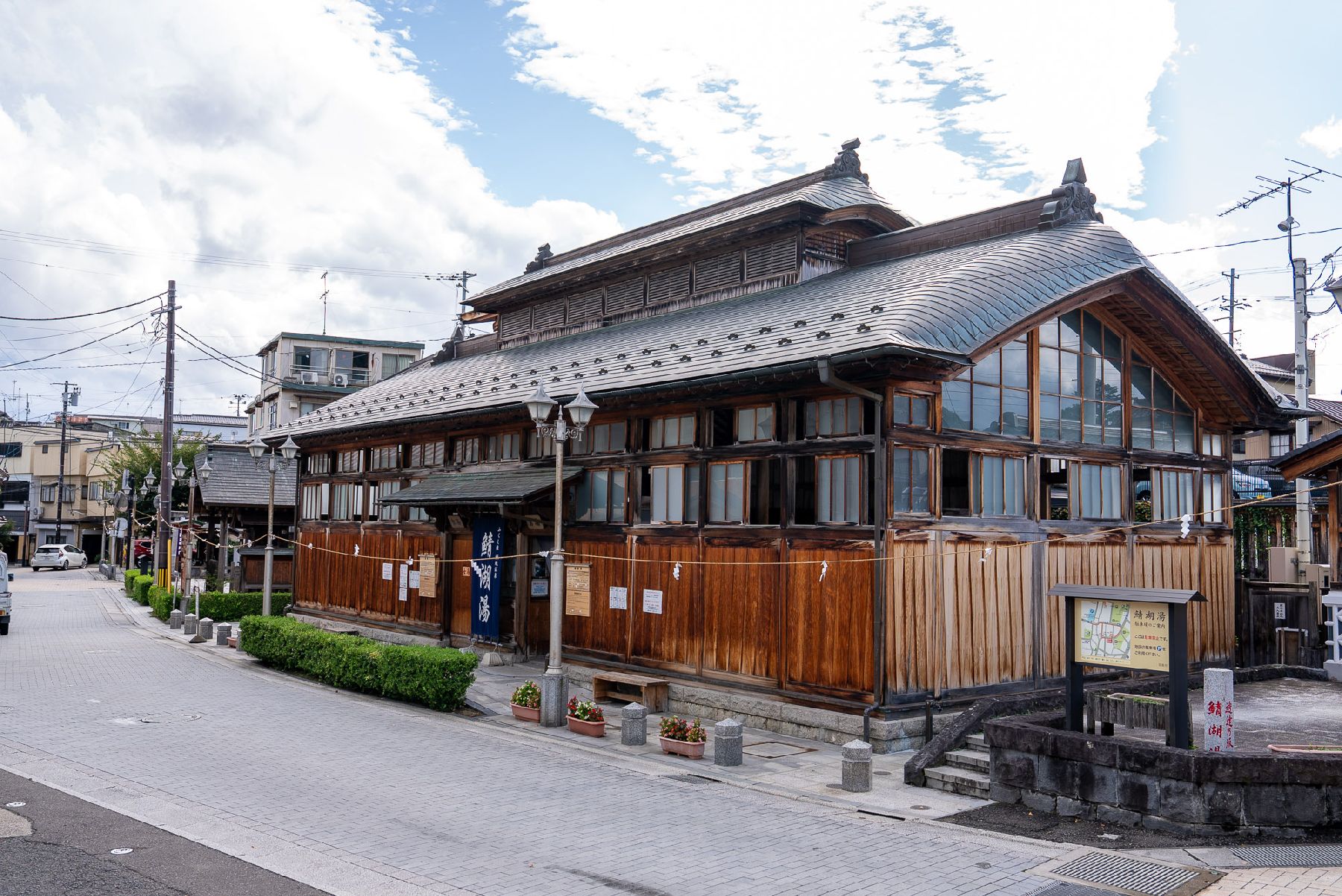
One of the defining sights of the charming Iizaka Onsen resort, the wooden frontage of Sabakoyu was famous for long being Japan's oldest wooden public bathhouse, before being renovated in 1993. The bath facilities are open to the public, giving visitors the chance to enjoy the authentic hot spring water straight from the source. The water here can reach temperatures of up to 50 degrees Celsius, giving it something of a reputation amongst the locals as too hot for first-timers to handle.The bathhouse is closed on Mondays, excepting public holidays. Guests should buy a ticket from the machine inside the entrance, and soap / shampoo are not provided, so bathers should bring their own.

Bandai Atami Onsen
Hot Springs

Bandai Atami Onsen

It is said that Bandai Atami Onsen was founded about 800 years ago by Princess Hagi Hime, as the waters were thought to cure certain diseases. Now Bandai Atami Onsen has become famous in Japan as an onsen resort town with hot spring water that has beautifying effects. It is also well-known for the fantastic views bathers can enjoy of the Gohyakugawa River valley, which are visible from the town's open-air baths. The soft and gentle quality of the spring water makes your skin amazingly smooth, so please lie back, relax and rest your body, and mind too. Bandai Atami Onsen is popular as Koriyama’s go-to sanctuary for taking a break from the hustle and bustle of everyday life, and the charming ryokan of this town attract people heading for Bandai Kogen sightseeing spots as well as those in Aizu.

Iizaka Onsen
Hot Springs

Iizaka Onsen

Fukushima City's Iizaka Onsen has been used as an onsen town for over 1,000 years, and has been visited by legendary figures in Japanese literature such as Matsuo Basho (1644-1694), the master of haiku poems. Locals in Iizaka Onsen pride themselves on the well-known Japanese phrase “Beppu in the West; Iizaka in the East”, which refers to the best onsen towns in Japan.The Surikami River that passes through the town is lined on either side by 9 high-rise ryokan (Japanese-style inns). More ryokan can be found scattered about Iizaka Onsen. The town is also dotted with a number of communal baths and public foot baths. Some of Iizaka Onsen’s most well-loved local foods include include Enban Gyoza and soft-boiled eggs known as Onsen Tamago. Iizaka Onsen is also close to sightseeing spots such as Hanamomo no Sato, the Fruit Line, and Nakano Fudoson Temple.Iizaka Onsen is the site of the Iizaka Fighting Festival in October, the one night a year where a lively fight atmosphere overtakes the usually sleepy hot spring resort.

Takayu Onsen
Hot Springs

Takayu Onsen

This famous hot spring area is located at an altitude of approximately 750 meters, which is why it’s called 'taka-yu' ('taka' means 'high-up' and 'yu' means 'hot spring'). Located on the slopes of the Azuma mountain range, Takayu Onsen area was once known as “Shinobu Takayu” and, together with Zao Takayu and Shirabu Takayu, prospered as one of three Takayu in what was once known as the northern Ou region. The waters of Takayu Onsen are a bluish milky color and are thought to have healing properties. Most of the resort facilities of the area neither add water nor adjust the temperature in order to maintain the natural allure of the hot spring waters. After bathing in the waters of this spring, your skin becomes almost slippery from the high acidic and hydrogen sulfide makeup. In the Takayu Onsen area, there are 10 natural hot spring sources, with names such as 'Takinoyu', 'Netsuyu', and 'Senkinoyu'. These sources are named after old public baths. In the olden days, bathtubs were built right next to or directly above the hot spring source. Today, the bathing facilities still receive their water flowing directly from the same source. Nowadays, Takayu Onsen consists of about a dozen ryokan (traditional Japanese inns), all offering their unique charm to travelers. You’ll be pleased to note that many of the ryokan open their hot spring baths to non-staying guests for a small fee. The most famous hot spring facility in Takayu Onsen is Tamagoyu, a wooden bathhouse with a traditional feel. There’s even a foot bath in the center of the town open to the public. If public bathing isn’t something you feel comfortable with, many of the onsen facilities in the area also offer private onsen rooms with a rotenburo (open-air bath) available for your own use. It is a relaxing experience unlike any other to soak in the hot waters and feel your worries melt away.
Top